
 +1-442-325-3923


 Live Chat











Your shopping cart is currently empty.
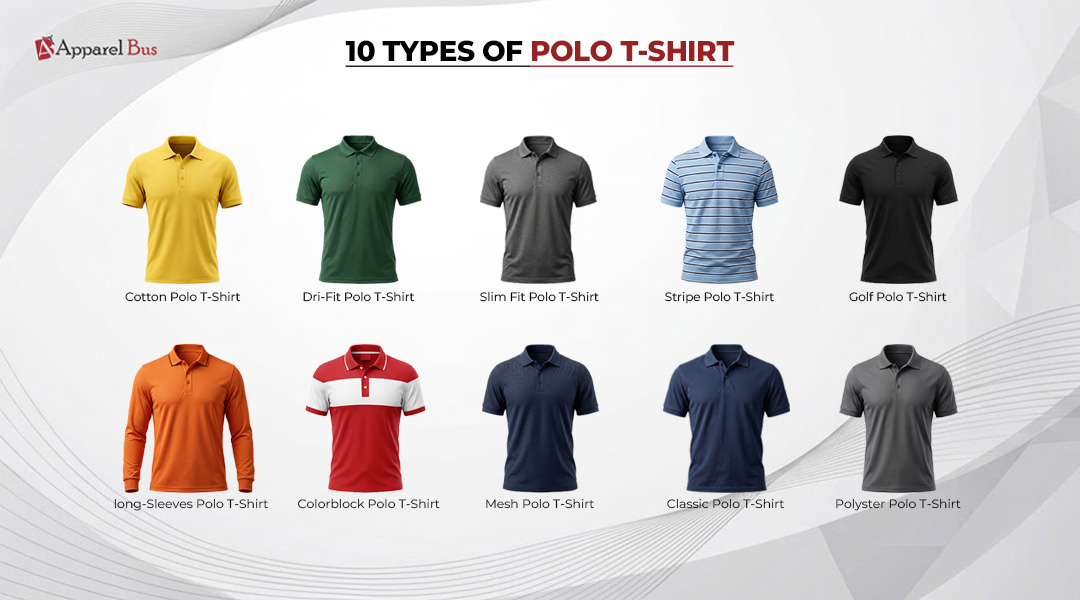
Table of Contents
Share this Media




Published on 08 Jun 2026

By Apparelbus
10 Types of Polo T-Shirts
You probably own at least one polo shirt. Most people do, and there is a good reason for that.
The polo shirt is one of the few garments that works at the office, on the golf course, at a team event, and on a casual weekend outing without missing a beat. It is not trying to be a t-shirt, nor is it a dress shirt. It sits right in the middle, and that is exactly what makes it so useful.
According to Verified Market Research, the global polo shirt market was valued at USD 5.8 billion in 2023 and is projected to reach USD 6.8 billion by 2030, growing at a CAGR of 6.1%. That kind of steady growth reflects just how deeply the polo shirt is woven into everyday wardrobes worldwide.
Part of what keeps demand strong is variety. Polo shirts today come in a wide range of fabrics, collar styles, and fits built for different lifestyles. According to Market Reports World Market Reports World, cotton-based polo shirts make up nearly 64% of global material usage, while blended fabrics account for 28% due to improvements in durability and performance.
Let’s walk you through the 10 most popular types of polo t-shirts, break down the fabrics and collar styles available, and help both men and women choose the right fit for any occasion.
What is a Polo Shirt?
A polo shirt is a short-sleeved knit shirt with a collar, a placket with two or three buttons at the neckline, and a slightly longer back hem. It looks smarter than a plain t-shirt but feels more relaxed than a formal dress shirt.
The polo shirt was developed in the early 20th century for tennis players and later adapted for polo players, which is where the name comes from. Rene Lacoste, a French tennis champion, is widely credited with designing the modern polo shirt in the late 1920s. His pique cotton shirt replaced the stiff long-sleeved shirts players wore at the time. Later, Ralph Lauren popularized the polo shirt as a fashion item in the 1970s under his Polo Ralph Lauren brand.
Today, polo shirts serve many purposes. They appear in sports, corporate workwear, school uniforms, and everyday casual wear. The key features that define a polo shirt are its flat or ribbed collar, short sleeves, button placket, and the flexibility to dress it up or down. If you want a deeper dive into its design and construction, read our guide on what is a polo shirt?
10 Types of Polo T-Shirts
Polo shirts are not a one-size-fits-all category. They come in many styles to suit different occasions, body types, climates, and activities. Here are the 10 main types you will come across.
1. Classic Polo Shirts
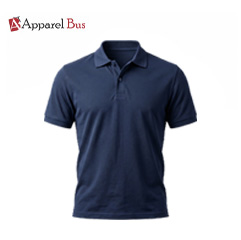
The classic polo shirt is the original style that set the standard for everything that followed. It features a ribbed collar, a two or three-button placket, short sleeves, and a slightly longer back hem. The fabric is typically pique cotton, which gives it a textured, structured look that holds its shape well over time.
Classic polos became mainstream in the 1950s and 1960s when brands like Lacoste and Fred Perry brought them into everyday fashion. Today, they remain the most recognized polo style because of their clean, timeless look. They work equally well with jeans, chinos, or under a blazer, which makes them the most versatile polo you can own.
Classic polo shirts are the top choice for corporate dress codes, school uniforms, and brand merchandise because they project a clean, professional image without being too formal.
2. Color Block Polo Shirts
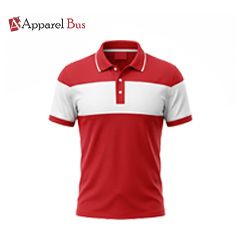
Color block polo shirts use two or more solid color panels on a single shirt. The panels are typically divided across the chest, sleeves, or sides to create a bold, graphic look. Unlike striped polos, color block styles use broad sections of contrasting color rather than narrow lines.
This style became popular in the 1980s and 1990s alongside the rise of sportswear as fashion. It draws from athletic team wear where contrasting panels were used to add visual interest and brand identity. Today, color block polos are widely used in sports teams, brand uniforms, and casual fashion collections.
Color block polo shirts are a strong choice for sports teams and corporate uniforms because the contrasting panels make it easy to incorporate brand colors. Browse available color options in the polo shirts collection to see how different panel combinations look across the range.
3. Dri-Fit / Performance Polo Shirts
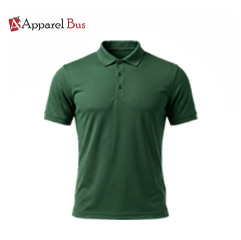
Performance polo shirts are engineered for physical activity. They are made from synthetic fabrics like polyester or fabric blends with spandex, which pull sweat away from the skin and dry quickly. Nike popularized the term Dri-Fit, but performance polos are now produced by many brands under various names.
This style became standard in sports and corporate activewear during the 1990s and 2000s as moisture-wicking fabrics improved. Athletes and outdoor workers needed shirts that could handle movement and sweat without feeling heavy or uncomfortable, and performance polos filled that gap.
These polos are the preferred choice for golfers, gym goers, athletes, and anyone working outdoors in warm weather.
Available Available Available Available 

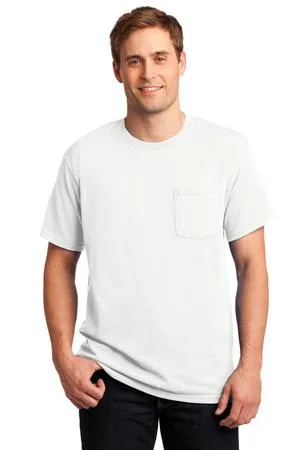
up to size
5XL$7.84 $4.61 16 colors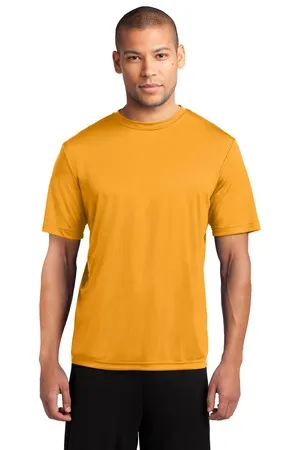
up to size
4XL$6.18 $3.6424 colors
up to size
5XL$5.96 $3.2941 colors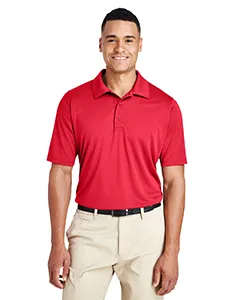
up to size
6XL$13.36 $7.428 colors
4. Stripe Polo Shirts
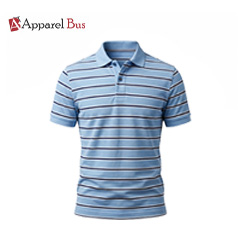
Stripe polo shirts feature horizontal stripes across the body, collar, or sleeves. The stripes can be narrow or wide, subtle or bold, and typically run in two or more alternating colors. This pattern adds visual interest while keeping the overall look clean and wearable.
Striped polos have roots in rugby and nautical fashion. Rugby shirts from the 19th century used bold horizontal stripes to differentiate teams, and that influence carried over into the polo shirt world. Brands like Ralph Lauren and Tommy Hilfiger helped bring the striped polo into mainstream fashion during the 1970s and 1980s.
Stripe polo shirts are popular in casual and semi-formal settings. They add personality without being too loud, which makes them a good choice for weekend outings, beach clubs, and smart casual occasions. They also work well as team polos when club or school colors are used in the stripes.
5. Mesh Polo Shirts
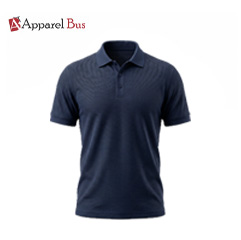
Mesh polo shirts are made with an open-knit fabric that allows maximum airflow through the shirt. The weave creates small holes throughout the fabric, which improve ventilation and keep the body cool in hot weather. Mesh polos are slightly more casual in appearance than pique polos, but are far more breathable.
Mesh fabric in clothing became widespread in sportswear during the 1970s and 1980s. Sports teams, outdoor workers, and golfers adopted mesh polos because the breathability made a noticeable difference in comfort during physical activity or warm conditions.
Mesh polo shirts are the best choice for hot climates and outdoor activities. They are popular in summer, at outdoor events, and in any situation where staying cool is a priority. They also appear frequently as sports team uniforms and promotional wear for outdoor brands.
6. Polyester Polo Shirts
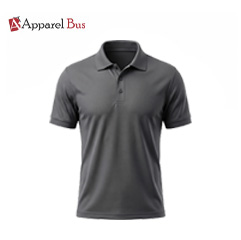
Polyester polo shirts are made fully or primarily from polyester fabric. Polyester is a synthetic fiber that resists wrinkles, holds color well after repeated washing, and dries faster than cotton. These properties make polyester polos practical for heavy-use situations like team uniforms, corporate workwear, and industrial environments.
Polyester became a popular fabric for garments in the 1950s and gained widespread use in the following decades. For polo shirts specifically, polyester became a staple in uniform production because it is cost-effective and durable. It also allows for vibrant, long-lasting color prints, which is important for branded merchandise.
Polyester polo shirts are used extensively in bulk uniform orders, hospitality, events, and any context where shirts need to withstand frequent washing without fading or losing shape. You can explore polyester and blended options in the polo shirts range to compare styles and brands side by side.
7. Cotton Polo Shirts
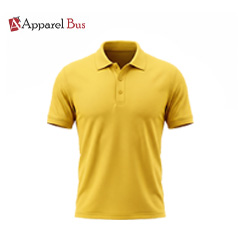
Cotton polo shirts are made from natural cotton fibers, which makes them soft, breathable, and comfortable against the skin. Cotton is gentle for sensitive skin and allows air to circulate, which makes it a popular choice in warm weather. The most common cotton polo fabric is pique cotton, a textured knit that gives the shirt structure and a slightly formal appearance. If you are deciding between the two, the guide on cotton vs pique polo shirts explains the differences clearly.
Cotton has been the fabric of choice for polo shirts since René Lacoste introduced his pique cotton design in the late 1920s. The natural feel and breathability of cotton made it ideal for active wear at the time, and those qualities keep it relevant today.
According to Strategic Revenue Insights Strategic Revenue Insights, cotton remains the most popular material choice in the polo shirt market, accounting for over 40% of total market share. Cotton polo shirts are the go-to choice for everyday casual wear, business casual settings, and anyone who prefers natural fabrics over synthetics.
8. Long-Sleeve Polo Shirts
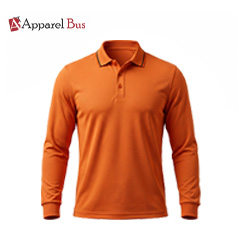
Long-sleeve polo shirts follow the same basic design as a classic polo, but extend the sleeves to the wrist. They offer more coverage and warmth than short-sleeve versions, which makes them suitable for cooler weather or layering under a jacket. The collar and button placket remain the same, so the shirt retains the smart look of a polo.
Long-sleeve polo shirts became popular as a transitional layering piece in cooler months. They sit between a casual knit and a formal dress shirt, which fills a useful gap in a smart casual wardrobe. They are also used in equestrian sports and outdoor activities where arm coverage provides additional protection.
Long-sleeve polo shirts work well in autumn and winter or in air-conditioned indoor environments. They pair well with chinos and boots for a smart casual look and are a popular choice in corporate settings during cooler months. They also layer neatly under blazers and gilets.
9. Slim Fit Polo Shirts
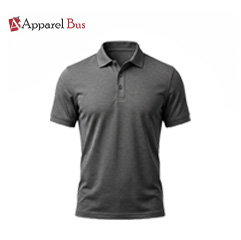
Slim fit polo shirts are cut closer to the body than classic or regular fit styles. They taper through the chest and waist to create a more streamlined silhouette. The fabric is typically the same as a classic polo, but the cut makes the shirt look sharper and more modern on slimmer body types.
The slim fit trend in menswear and womenswear picked up significantly in the early 2000s as fashion moved away from the looser cuts popular in the 1990s. Polo shirts followed this shift, and slim-fit versions became a staple in fashion-forward collections and premium casualwear brands.
Slim-fit polo shirts are popular among younger wearers and anyone who prefers a more tailored look. They work well for smart casual occasions, dates, and settings where you want to look put-together without wearing formal clothing.
10. Golf Polo Shirts
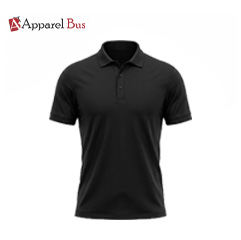
Golf polo shirts are performance-focused shirts designed specifically for the golf course. They are typically made from moisture-wicking, stretch-blend fabrics that allow a full range of motion during a swing. Golf polos often include UV protection and anti-odor treatments that standard cotton polos do not have.
Golf has a long dress code history, and the polo shirt became the accepted standard on courses worldwide during the mid-20th century. Brands like Titleist, FootJoy, and later Nike and Adidas built specific golf polo lines that combined style with athletic performance.
According to DataIntelo the surge in golf participation globally, particularly among people aged 18 to 35, continues to drive steady demand in the sports polo segment.
Golf polo shirts are the right choice for anyone who plays golf regularly or spends extended time outdoors. The added functional features, including stretch construction and UV protection, justify the slightly higher price compared to standard polos.
Polo Shirt Fabric Types
The fabric of a polo shirt determines how it feels, how it performs, and how long it lasts. Choosing the right fabric makes a real difference in comfort and wearability.
Pique Cotton: Pique is the most traditional polo fabric. It uses a waffle or honeycomb knit that gives the fabric a raised, textured surface. This texture improves breathability and helps the shirt hold its shape over time.
Regular Cotton: Jersey knit cotton is smooth and lightweight. It feels softer than pique but has less structure. Regular cotton polos are comfortable for casual wear and everyday use.
Polyester: Polyester is durable, wrinkle-resistant, and holds color well. It is commonly used in budget uniforms and performance styles where durability and easy care are more important than natural feel.
Cotton-Polyester Blend: This blend combines the softness of cotton with the durability of polyester. It reduces shrinkage, improves shape retention, and is easier to care for than pure cotton. Most budget polo shirts use a 60/40 or 65/35 cotton-polyester blend.
Spandex Blends: Adding a small percentage of spandex or elastane to cotton or polyester gives the fabric stretch and flexibility. Spandex blend polos are popular in slim fit styles and performance wear because they move with the body.
Mesh Fabric: Mesh uses an open-knit construction that creates small holes in the fabric. This allows air to flow freely through the shirt, making it highly breathable and ideal for hot weather and active use.
Jersey Knit: Jersey knit is a smooth, stretchy single-knit fabric that is softer and lighter than pique. It is used in more casual polo styles where comfort is the priority over structure.
Performance Dry-Fit: Performance fabrics are engineered to move moisture away from the skin to the outer surface of the fabric, where it can evaporate quickly. They are used in athletic and golf polos where sweat management is essential.
| Fabric Type | Key Properties | Best For |
| Pique Cotton | Textured knit, structured look | Business casual, everyday wear |
| Regular Cotton | Soft, breathable, natural feel | Casual and streetwea |
| Polyester | Durable, wrinkle-resistant | Workwear, uniforms |
| Cotton-Polyester Blend | Balances comfort and durability | All-purpose use |
| Spandex Blend | Stretchy, flexible fit | Sports and active wear |
| Mesh Fabric | Open-knit, highly breathable | Hot weather, outdoor activities |
| Jersey Knit | Smooth, lightweight, soft | Casual and lifestyle wear |
| Performance Dry-Fit | Moisture-wicking, quick-dry | Gym, golf, athletics |
Different Collar Styles in Polo Shirts
The collar is one of the most defining features of a polo shirt. Different collar styles change the look and feel of the shirt significantly. Here are the main collar styles you will find across different polo shirt types:
Classic Ribbed Collar: The ribbed collar is the most traditional polo collar style. It uses a tight rib knit that creates a stiff, structured collar that rolls slightly at the edge. This collar style is found on classic and heritage polo shirts and gives the shirt its recognizable smart appearance.
Flat Knit Collar: The flat knit collar lies flat against the neck without the roll of a ribbed collar. It gives a cleaner, more modern look and is commonly used in slim-fit and performance polos. This collar style suits contemporary fashion styles and athletic wear.
Button Down Collar: Some polo shirts feature small buttons on the collar tips that fasten to the shirt body. This keeps the collar flat and in place throughout the day, which makes the shirt look neater for longer. Button-down collar polos are popular in business casual and smart casual settings.
Zipper Collar: Zipper collar polos replace the traditional button placket with a partial zip at the neckline. This style is more athletic in appearance and is common in performance and casual polo lines. The zipper allows for easy adjustment of the neckline.
Contrast Collar: Contrast collar designs use a different color on the collar compared to the body of the shirt. This is a design detail used in color block and fashion polo styles. It adds visual interest and can highlight brand colors in team or corporate polo shirts.
| Collar Style | Design Feature | Common Use |
| Classic Ribbed Collar | Rolled, structured rib knit | Traditional polo look |
| Flat Knit Collar | Smooth, modern, lies flat | Contemporary and slim styles |
| Button Down Collar | Buttons keep the collar in place | Smart casual and workwear |
| Zipper Collar | Partial zip instead of buttons | Athletic and casual styles |
| Contrast Collar | Different color from the body | Color block and fashion polos |
Polo Shirt vs Golf Shirt: What is the Difference?
Many people use the terms polo shirt and golf shirt interchangeably. While the two styles share a similar silhouette, there are meaningful differences between them.
Both polo shirts and golf shirts have a collar, a button placket, and short sleeves. They look similar at first glance, which is why the names are often used as synonyms. However, the purpose each style was designed for leads to real differences in fabric,
Construction, and Features
Fabric: Standard polo shirts are most commonly made from pique cotton or cotton blends. Golf shirts are almost always made from performance polyester or moisture-wicking stretch blends that handle sweat and movement better than cotton.
Functionality: Golf shirts include features like UV protection, anti-odor treatments, and four-way stretch fabric to accommodate the range of motion needed in a golf swing. Standard polo shirts do not typically include these features.
Versatility: A polo shirt works across casual, semi-formal, and workwear contexts. A golf shirt is optimized for athletic and outdoor use and may look too casual for office or formal settings.
Price: Golf shirts with performance technology tend to cost more than standard cotton polos. The additional fabric treatments and construction details add to the price.
| Feature | Polo Shirt | Golf Shirt |
| Fabric | Cotton or pique cotton | Performance polyester or dry-fit |
| Primary Use | Casual, semi-formal, workwear | Golf courses and active sports |
| Fit | Classic, slim, or relaxed | Athletic, slightly looser for swing |
| Collar Style | Ribbed, flat knit, button-down | Flat knit, moisture-wicking collar |
| Moisture-Wicking | Not always | Almost always |
| Price Range | Budget to premium | Mid to premium range |
In short, if you need a shirt for the golf course or active outdoor use, a golf shirt is the better choice. If you need something versatile that works across multiple settings, a standard polo shirt is the smarter option.
Colors, Styles & Brands
Polo shirts come in almost every color and style combination you can imagine. Whether you are building a wardrobe, ordering team uniforms, or looking for branded corporate wear, knowing your options makes the decision much easier.
Popular Colors
The most widely available polo shirt colors include black, white, navy blue, red, yellow, grey, pink, purple, orange, and brown. Neutral colors like black, white, and grey are the most versatile for everyday wear and corporate use. Bold colors like red, yellow, and orange work well for team uniforms and branded merchandise where visibility and brand identity matter.
Popular Brands
Several brands stand out for quality and value in the bulk polo shirt market. Gildan is known for affordable, consistent quality in cotton and cotton blend polos. Port Authority offers a wide range of styles from classic to performance. Sport-Tek focuses on athletic and performance polo styles. Jerzees produces reliable cotton and polyester blend options at accessible price points.
Hanes provides everyday casual polos with good fabric quality. Paragon offers performance-focused styles with a broader range of color options. Browse all of these brands in the polo shirts collection at ApparelBus.
Available Styles
Across these brands, the main available styles are performance polos, cotton polos, slim fit polos, classic fit polos, color block polos, and long sleeve polos. Each style serves a different purpose, so identifying your primary use case before ordering helps you get the best result.
Conclusion
Polo shirts remain one of the most useful and adaptable garments available for both men and women. Whether you need a classic pique cotton polo for the office, a performance dry-fit style for the golf course, a color block polo for your team uniform, or a long sleeve option for cooler weather, there is a polo shirt built exactly for that purpose.
Understanding the differences in fabric types, collar styles, and fits helps you make a smarter choice and get more value from your purchase. From affordable cotton blends to premium performance styles, polo shirts cover every price point and use case.
Frequently Asked Questions
A pique polo shirt is made from a textured cotton knit fabric with a raised waffle or honeycomb surface. This construction improves breathability and gives the shirt a structured look that holds its shape well. Pique polo shirts are the most common fabric choice for classic and business casual polo styles.
A golf shirt is built for athletic performance with moisture-wicking fabrics, stretch construction, and UV protection. A polo shirt is more versatile and works across casual, business casual, and semi-formal settings. The two look similar but serve different primary purposes.
Cotton and performance polyester fabrics are the best choices for hot weather. Cotton polo shirts are breathable and comfortable in moderate heat. Performance polyester polo shirts add moisture-wicking properties that pull sweat away from the body, making them ideal for high activity or very hot conditions.
The most commonly used styles are classic polo shirts, cotton polo shirts, performance polo shirts, and long-sleeve polo shirts. Classic polos are the most versatile, while performance polos are the top choice for sports and active use.
Yes. Polo shirts are designed as unisex apparel and come in specific cuts for both men and women. Women's polo shirts typically feature a more fitted silhouette, shorter body length, and in some cases a slightly different placket or collar design.
The most common collar styles in polo shirts are the classic ribbed collar, flat knit collar, button-down collar, zipper collar, and contrast collar. Each style changes the look and formality of the shirt. Classic ribbed collars give a traditional polo look, while flat knit and zipper collars suit more modern and athletic styles.
Share this Media
Leave us a comment