
 +1-442-325-3923




 Live Chat







Your shopping cart is currently empty.
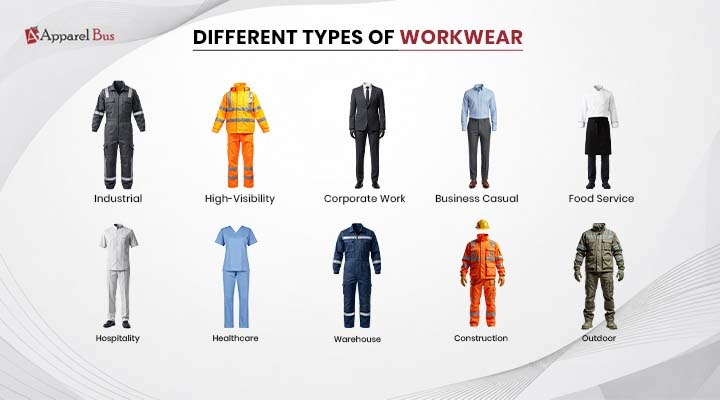
Table of Contents
- The Problem Every Business Faces with Work Clothing
- Workwear Types At A Glance:
- What Is Workwear?
- Work Wear Uniform vs. Everyday Clothing
- Why Businesses Invest in Professional Work Uniforms
- Benefits of Professional Workwear
- Different Types of Workwear
- Types of Workwear Fabrics
- Workwear vs PPE: What Is the Difference?
- How to Choose the Right Work Uniform
- Best Workwear Brands for Businesses
- Wholesale Blank Workwear for Businesses
- Conclusion
Share this Media




Published on 29 Jun 2026

By Apparelbus
10 Different Types of Workwear Explained
The Problem Every Business Faces with Work Clothing
You have 50 employees. Some work on the warehouse floor, some in the office, and a few manage food service. What do they all wear? Can one type of clothing cover every role?
The answer is no, and that is exactly why understanding the different types of workwear matters. The wrong clothing choice leads to safety incidents, employee dissatisfaction, and a brand that looks unprofessional in front of customers. The right workwear, matched to the job and the industry, solves all of that at once.
Let’s cover everything you need to know, from workwear definitions to specific types by garment and industry.
Workwear Types At A Glance:
| Workwear Type | Primary Purpose |
Common Industries |
Key Features | Typical Garments |
| Industrial Workwear | Durability and protection in demanding environments | Manufacturing, construction, maintenance, warehousing | Reinforced stitching, heavy-duty fabrics, and abrasion resistance | Work shirts, coveralls, work pants, jackets |
| High-Visibility (Hi-Vis) Workwear | Improve worker visibility and safety | Road construction, utilities, transportation, logistics | Fluorescent colors, reflective tape, ANSI-compliant designs | Safety vests, reflective jackets, safety shirts |
| Corporate Work Uniforms | Professional appearance and brand consistency | Retail, banking, hospitality, customer service | Logo placement, coordinated colors, polished appearance | Polo shirts, button-down shirts, corporate jackets |
| Business Casual Workwear | Professional yet comfortable workplace attire | Technology, education, consulting, creative industries | Relaxed dress standards, modern styling, comfort-focused fabrics | Polos, chinos, button-up shirts, blazers |
| Chef's Wear and Food Service Uniforms | Hygiene, heat protection, and professional presentation | Restaurants, catering, cafeterias, hospitality | Easy-clean fabrics, heat resistance, stain management | Chef coats, aprons, and kitchen shirts |
| Hospitality Workwear | Create a consistent guest experience | Hotels, resorts, event venues, restaurants | Coordinated branding, polished appearance, department-specific styles | Dress shirts, aprons, hospitality jackets |
| Healthcare Workwear | Support hygiene and comfort during long shifts | Hospitals, clinics, laboratories, pharmacies | Easy sanitization, moisture management, functional pockets | Scrubs, lab coats, medical jackets |
| Warehouse and Logistics Workwear | Comfort, mobility, and visibility | Warehousing, distribution centers, fulfillment operations | Durable construction, flexibility, and visibility features | Safety vests, work pants, durable shirts |
| Construction Workwear | Protection from job site hazards | Construction, contracting, skilled trades | Reinforced materials, weather protection, hi-vis options | Safety jackets, work shirts, reinforced pants |
| Outdoor Workwear | Protection from changing weather conditions | Agriculture, landscaping, forestry, oil and gas | Water resistance, insulation, UV protection, and layering systems | Softshell jackets, insulated outerwear, weather-resistant apparel |
What Is Workwear?
Workwear refers to clothing designed specifically for use in professional or occupational environments. It differs from everyday clothing in construction, material, and purpose. Work clothing is built to withstand the physical demands of a job, meet industry regulations, and represent a company's identity.
The term covers a wide range of apparel, from heavy-duty construction jackets and flame-resistant coveralls to fitted corporate polo shirts and food-service chef coats. What unifies all of it is intentional design for job performance.
Work Wear Uniform vs. Everyday Clothing
Everyday clothing prioritizes personal style and comfort. Work uniforms prioritize function, durability, safety, and brand consistency. A work shirt uses reinforced stitching at stress points. A safety jacket uses fluorescent fabric and reflective tape visible from 1,000 feet. These are design choices that casual clothing never makes.
Work uniforms also carry legal weight. In many industries, wearing the correct workwear is a compliance requirement, not a suggestion.
Why Businesses Invest in Professional Work Uniforms
The reasons are straightforward. Uniforms build brand recognition so customers immediately identify your staff. They create a consistent appearance across locations. They reduce what employees spend on personal clothing for work. They meet OSHA, HACCP, and other regulatory standards. And they signal to customers that your business takes quality seriously.
Benefits of Professional Workwear
| Benefit | What It Delivers |
| Brand Image | A consistent look across all staff builds customer trust |
| Employee Identification | Customers and colleagues instantly recognize your team |
| Workplace Safety | Proper fabrics and design reduce injury risk |
| Compliance | Meets OSHA, HACCP, and industry-specific regulations |
| Durability and Cost Savings | Long-lasting materials reduce replacement frequency |
Different Types of Workwear
1. Industrial Workwear
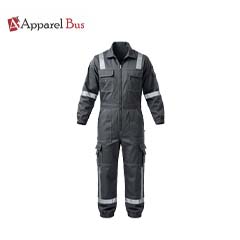
Industrial workwear is built for demanding physical environments where durability and protection come before everything else. Manufacturing plants, construction sites, warehouses, and maintenance operations all rely on it. The construction uses heavy-duty materials with reinforced stitching at the knees, elbows, and stress seams to withstand repeated use in rough conditions.
Common Industrial Workwear
- Twill shirts and work shirts that resist tearing and abrasion
- Work jackets with added lining for temperature control
- Coveralls that protect the entire body from grease, dust, and chemicals
- Reinforced work pants with added pocket space for tools
Best Industries for Industrial Workwear
- Manufacturing and production
- Construction and trades
- Logistics and warehousing
- Maintenance and facility services
The key buying criteria for industrial workwear are abrasion resistance, seam strength, and fabric weight. Lighter fabric tears faster. Heavier twill or canvas holds up through full work weeks over the years.
2. High-Visibility (Hi-Vis) Workwear
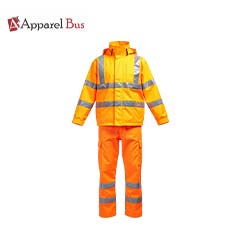
Hi-vis workwear uses fluorescent background fabric in yellow-green, orange, or red combined with retroreflective tape that bounces light back toward its source. This combination makes workers visible during the day in low-contrast environments and at night under vehicle headlights or work site lighting. OSHA draws its visibility guidance from ANSI/ISEA 107 standards, which classify hi-vis garments into performance classes based on the amount of fluorescent and reflective material present.
Common Hi-Vis Garments
- Safety vests worn over other clothing for quick visibility
- Reflective jackets for cold weather and low-light conditions
- Safety shirts with built-in fluorescent and reflective panels
- Safety hoodies that combine warmth with visibility
Industries That Require Hi-Vis Workwear
- Road construction and highway maintenance
- Transportation and traffic control
- Warehousing and distribution centers
- Utility services and electrical work
- Airport ground operations
Workers in these environments face moving vehicles, machinery, and low-light conditions. Hi-vis clothing is frequently a legal requirement, not optional.
3. Corporate Work Uniforms
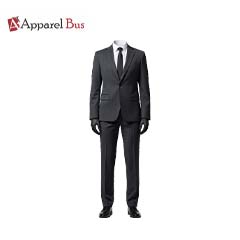
Corporate uniforms project professionalism and consistency for customer-facing businesses. The goal is to make every employee look like an intentional representative of the brand. Color, logo placement, and garment style all communicate the company's identity. A well-designed corporate uniform tells the customer, before anyone speaks, that this business has standards.
Common Corporate Uniform Items
- Polo shirts with embroidered logos for everyday customer contact
- Button-down shirts for a more formal appearance
- Corporate jackets for senior staff and management
- Coordinated office uniforms for front desk and reception roles
Best Industries for Corporate Uniforms
- Hospitality and hotel management
- Retail and customer service
- Banking and financial services
- Healthcare administration
Corporate uniforms work best when they are consistent across every location and every team member. The moment some employees look different from others, the branding effect breaks down.
4. Business Casual Workwear
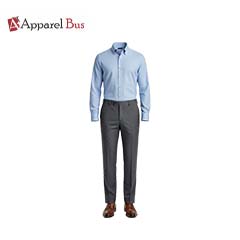
Business casual sits between formal corporate attire and relaxed everyday clothing. It allows employees to look professional without requiring a full suit or branded uniform. The category grew significantly with the rise of tech companies and creative industries in the late 1990s and expanded further as remote and hybrid work cultures pushed offices toward more relaxed dress standards in the 2010s.
Common Business Casual Workwear Pieces
- Polo shirts that look neat without requiring a tie
- Chinos and dress pants that are comfortable but polished
- Button-up shirts in solid or subtle patterns
- Lightweight sweaters for layering in climate-controlled offices
- Casual blazers for meetings or client interactions
Industries Using Business Casual Workwear
- Technology companies and software firms
- Marketing and creative agencies
- Educational institutions
- Professional services, including consulting and accounting
Business casual requires some curation. Not every polo shirt or pair of chinos fits the category equally. Companies that define specific colors or styles within the business casual range create a more cohesive team appearance.
5. Chefwear and Food Service Uniforms
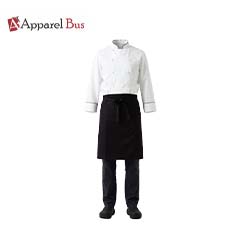
The kitchen is one of the most demanding work environments for clothing. Open flames, hot surfaces, sharp tools, food spills, and the need for constant hygiene all shape what a chef or food service worker wears. Chefwear is purpose-built for these conditions, combining heat resistance with easy-care fabrics that hold up through daily industrial washing.
Common Chefwear Apparel
- Chef coats in white or black with knotted or button closures for quick removal near heat
- Aprons that protect against spills and burns
- Kitchen shirts built for breathability during high-temperature service periods
- Food service uniforms for front-of-house staff in restaurants and cafeterias
Key Features to Look for in Chefwear
- Heat-resistant fabric that does not melt or catch easily
- Easy-clean materials that release grease and food stains in standard washing
- Professional appearance appropriate for open-kitchen restaurant concepts
White chef coats remain the industry standard, partly for appearance and partly because they clearly show contamination, which supports food hygiene practices.
6. Hospitality Workwear
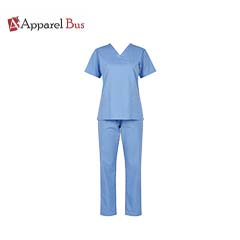
Hotels, restaurants, event venues, and cruise lines all use hospitality workwear to create a consistent guest experience. In hospitality, staff appearance directly affects customer perception of quality. A uniformed team signals that the operation is organized, well-managed, and attentive to detail. Guests associate the staff's appearance with how the service will feel.
Common Hospitality Uniform Options
- Dress shirts and blouses for front desk, concierge, and reservation staff
- Aprons for food and beverage service personnel
- Hospitality jackets for management and host positions
- Service uniforms that coordinate across different departments within a property
Benefits of Hospitality Uniforms
- Creates a consistent appearance across large teams and multiple shifts
- Reinforces brand identity and property standards
- Increases guest confidence in the professionalism of staff
Color coordination across departments while maintaining style differences (housekeeping vs. front desk vs. restaurant) is a common approach in large hospitality operations.
7. Healthcare Workwear
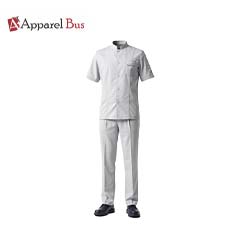
Healthcare workwear serves two purposes simultaneously: it protects patients from cross-contamination and protects workers from exposure to bodily fluids, chemicals, and pathogens. The design requirements reflect this dual role. Scrubs use easy-launder fabrics that tolerate high-temperature washing and repeated sanitizing. Lab coats provide an additional barrier between the clinician and the patient environment.
Typical Healthcare Workwear
- Scrubs in color-coded sets that often indicate department or role
- Lab coats worn by physicians, pharmacists, and laboratory staff
- Medical jackets for added warmth in temperature-controlled clinical environments
- Protective apparel, including gowns for high-exposure procedures
Importance of Hygiene and Comfort
Healthcare workers typically work 8 to 12-hour shifts in physically demanding conditions. Comfort is not a luxury in this context. It directly affects performance and patient care quality. Stretch fabrics, moisture-wicking panels, and multiple functional pockets are standard features in modern medical scrubs.
Color-coding of scrubs by department has become common in hospitals as a quick visual identifier for patients and colleagues, reducing communication errors in high-pressure environments.
8. Warehouse and Logistics Workwear
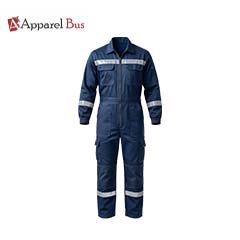
Warehouse and logistics environments combine physical labor, moving machinery, and often temperature-controlled spaces. Workers need clothing that supports a full range of movement, provides visibility to vehicle operators, and holds up through repetitive activity across long shifts. The combination of durability and comfort is non-negotiable.
Common Warehouse Clothing
- Safety vests for visibility in high-traffic areas with forklifts and vehicles
- Durable shirts that resist tearing during picking, packing, and sorting
- Work pants with reinforced knees and ample pockets for tools and devices
- Weather-resistant outerwear for workers in refrigerated or outdoor loading areas Important Features
- Full range of motion for lifting, bending, and reaching
- Long-lasting construction that reduces replacement frequency
- Reflective elements for visibility in busy warehouse aisles
Warehousing operations that mix employees from office and floor roles benefit from clear visual differentiation between the two through clothing color or uniform style.
9. Construction Workwear
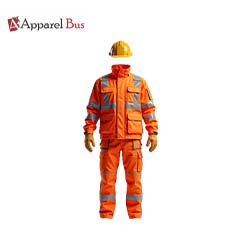
Construction workers face a uniquely broad set of hazards: falling objects, sharp materials, heavy equipment, extreme weather, and elevated work heights. Construction workwear addresses these with heavier materials, reinforced seams, and often integrated hi-vis design. The combination of protective features and comfort matters because construction workers wear their clothing through long, physically intense shifts in variable outdoor conditions.
Essential Construction Garments
- Hi-vis apparel for visibility on active job sites
- Heavy-duty work shirts with reinforced collars and cuffs
- Safety jackets with reflective tape for site supervisors and flaggers
- Reinforced work pants with knee pad pockets and tool storage
Weather Protection Considerations
Construction schedules often do not pause for weather. Workers need layering systems that adapt to early morning cold, midday heat, and afternoon rain. A base layer for moisture management, a mid-layer for insulation, and an outer layer for wind and water resistance form the standard construction layering system. Selecting workwear that integrates into this system makes it more functional across seasons.
10. Outdoor Workwear
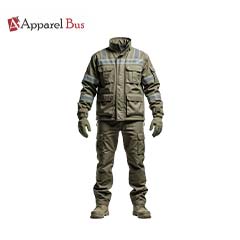
Outdoor workwear covers roles where weather is the primary design challenge: groundskeeping, forestry, oil and gas, agricultural services, and field inspection. These workers face sun, rain, wind, snow, and extreme temperature swings within a single shift. The clothing has to manage all of it without restricting movement or becoming too heavy to work in comfortably.
Common Outdoor Workwear Apparel
- Softshell jackets that block wind while allowing stretch and breathability
- Insulated outerwear for cold-weather field operations
- Water-resistant workwear that sheds rain without heavy rubber or plastic construction
- Layering garments that pack down small and can be added or removed as conditions change
Sun protection is an increasingly important design feature in outdoor workwear. UPF-rated fabrics and full-coverage collar designs reduce long-term skin damage risk for workers who spend entire careers outdoors.
Types of Workwear Fabrics
The fabric determines how a garment performs on the job. Understanding the core options helps businesses make smarter purchasing decisions and reduces the frequency of replacement.
Cotton Fabric
Cotton is the most natural and widely used workwear fabric. It breathes well, feels comfortable against the skin, and works in a wide range of temperatures. Workers who spend long hours in physically demanding roles often prefer cotton for its feel and breathability.
- Pros: Breathable, comfortable, soft against skin, naturally hypoallergenic
- Cons: Slower drying when wet, less wrinkle resistance than synthetics, can shrink with repeated washing
100% cotton is most common in workwear for moderate environments. In high-heat or flame-risk situations, treated cotton variants like FR (flame-resistant) cotton are used.
Twill Fabric
Twill is a weaving pattern rather than a raw material. It creates a diagonal ribbed structure that produces a stronger, more abrasion-resistant fabric than plain weaves at the same weight. Twill workwear combines durability with a professional appearance because the weave creates a smooth face that holds color well and presses cleanly.
• Strong diagonal weave resists tearing and abrasion better than plain weaves
• Holds color consistently through repeated industrial washing
• Professional appearance suitable for client-facing environments as well as plant floors
Polyester Fabric
Polyester is a synthetic fiber that dries quickly, resists wrinkles, and retains color longer than natural fibers. In workwear, it is most common in performance-oriented applications where moisture management matters, such as safety shirts worn under heavy vests or outdoor shirts in hot weather.
- Moisture-wicking properties move sweat away from the skin
- Wrinkle resistance reduces maintenance and keeps uniforms looking sharp
- Strong color retention reduces fading over a long service life
Cotton-Poly Blends
Cotton-poly blends combine the comfort of cotton with the durability and easy-care properties of polyester. A typical blend is 65% polyester and 35% cotton, which produces a fabric that breathes better than pure polyester, dries faster than pure cotton, resists wrinkles, and launders easily. This is the most popular fabric choice for corporate uniforms, hospitality workwear, and general-purpose work shirts.
- Balanced comfort and durability for long work shifts
- Easy maintenance with low shrinkage and quick drying
- Cost-effective for bulk purchasing because of long service life
Businesses buying work uniforms in volume typically get the best return on investment from cotton-poly blends because they reduce replacement frequency while maintaining comfort for workers.
Workwear vs PPE: What Is the Difference?
This distinction matters for compliance purposes. Many businesses use both but confuse the two categories, which can lead to gaps in worker protection and regulatory violations.
What Is Workwear?
Workwear is the uniform or job-specific clothing an employee wears to perform their daily role. It focuses on comfort, durability, branding, and job function. A chef coat, a corporate polo shirt, and a warehouse work shirt are all workwear. They are clothing items worn as part of the job.
What Is PPE?
PPE stands for Personal Protective Equipment. It refers specifically to equipment designed to protect a worker from hazards that cannot be engineered out of the environment. PPE is governed by OSHA 29 CFR 1910.132 in the United States, which requires employers to assess hazards and provide appropriate protective equipment.
Examplesof PPE
- Hard hats for falling object protection
- Safety glasses and face shields for eye and face protection
- Cut-resistant gloves for sharp material handling
- Respirators for airborne contaminant protection
- Steel-toed boots for foot protection
| Category | Workwear | PPE |
| Purpose | Professional clothing and uniforms | Hazard protection equipment |
| Focus | Branding, comfort, and job function | Risk mitigation and injury prevention |
| Examples | Polo shirts, work pants, chef coats | Hard hats, gloves, respirators |
| Regulation | Industry and employer standards | OSHA and safety regulations |
| Daily Use | Worn as standard uniform | Worn when specific hazards are present |
Note: Some items can function as both. Hi-vis jackets, flame-resistant coveralls, and cut-resistant sleeves serve as workwear and PPE simultaneously, which is why the distinction sometimes blurs in practice.
How to Choose the Right Work Uniform
Selecting workwear for a team requires matching several factors at once. Getting any one of them wrong produces clothing that workers resist wearing, that fails to meet compliance requirements, or that needs replacement too quickly.
Consider Your Industry
Start with the job environment. Industrial workwear differs from hospitality workwear, which differs from healthcare workwear. The industry determines the baseline requirements before any other factor is considered.
Evaluate Safety Requirements
Check OSHA standards, local regulations, and insurance requirements for your industry. Some environments mandate specific garment types, visibility ratings, or material properties. Document what is required before selecting fabrics or styles.
Choose the Right Fabric
Match fabric to the environment. Cotton-poly blends work well for most corporate and light-industrial applications. Heavy twill suits manufacturing and construction. Moisture-wicking polyester serves outdoor and high-activity roles. FR (flame-resistant) fabric is required in environments with ignition or arc flash risks.
Think About Weather Conditions
Outdoor workers and those in unconditioned spaces need layering systems. Climate-controlled office and retail environments have different needs. Buying season-appropriate workwear in advance reduces the risk of workers improvising with non-uniform clothing in extreme temperatures.
Prioritize Employee Comfort
Workers wear their uniforms for full shifts. Uncomfortable clothing reduces productivity, increases distraction, and drives employees to modify or avoid wearing uniforms. Comfort features like stretch panels, moisture management, and appropriate weight for the climate improve compliance and worker satisfaction.
Consider Branding and Decoration
Blank workwear can be decorated with screen printing, embroidery, or heat transfer logos. Embroidery holds up longest in repeated industrial washing. Screen printing is cost-effective for large runs. Heat transfer works well for smaller orders or complex multi-color designs. Confirm decoration compatibility with the fabric before ordering.
Best Workwear Brands for Businesses
The brand you choose affects quality consistency, size range availability, and the performance of decorations applied to the garment. Here is an overview of the most reliable brands for different applications.
| Brand | Best For | Key Strength |
| CornerStone | Industrial uniforms, construction crews, utility workers | Heavy-duty construction and reinforced design |
| Port Authority | Corporate uniforms, business casual, hospitality | Wide style range and consistent sizing |
| Port & Company | Budget-friendly uniforms, event staff | Value pricing for large volume orders |
| District | Modern workplace apparel, casual uniforms | Contemporary fits and modern styling |
| Red Kap | Industrial workwear, mechanic uniforms | Long-standing industrial performance reputation |
| Dickies | Construction and trade professionals | Durable construction at accessible price points |
| Bulwark | Flame-resistant workwear, industrial safety | FR fabrics certified to NFPA and ASTM standards |
CornerStone Workwear
CornerStone specializes in industrial-grade garments built for physically demanding roles. Their product line includes heavy-duty work shirts, reinforced work pants, and outerwear designed for construction crews, utility workers, and maintenance teams. The garments hold up to commercial laundering and retain their structure across extended use.
Port Authority
Port Authority covers a broader spectrum from casual corporate uniforms to business casual to hospitality apparel. Their polo shirts and button-down shirts are popular for customer-facing roles in retail, banking, and hospitality because of consistent sizing, clean styling, and embroidery-friendly fabric.
Port & Company
Port & Company focuses on value. For event staffing, volunteer programs, or organizations that need large quantities at a manageable cost, their work shirts and casual uniforms deliver reliable performance without the price premium of premium brands.
District
District serves modern workplace environments where the uniform should look current rather than traditional. Their garments work well for technology companies, marketing agencies, and businesses where the casual-professional balance defines the dress codes.
Red Kap
Red Kap has been producing industrial workwear since 1923. Their work shirts, coveralls, and work pants are standard in automotive, manufacturing, and maintenance environments where garments need to function reliably through years of daily industrial use.
Dickies
Dickies has supplied work clothing to tradespeople and construction workers since 1922. Their denim, canvas, and twill work pants, shorts, and shirts are recognizable in construction, plumbing, and electrical trades for durability and practical pocket design.
Bulwark
Bulwark specializes in flame-resistant (FR) workwear for environments where arc flash, flash fire, or direct flame exposure is a recognized hazard. Their garments meet NFPA 70E and NFPA 2112 standards and are used in oil and gas, utilities, petrochemical, and electrical industries.
Wholesale Blank Workwear for Businesses
Businesses buying workwear for teams of five or more benefit significantly from wholesale purchasing. The cost savings per unit grow with order size, and buying from a single supplier creates consistency in fabric, color, and fit across the entire team.
Why Buy Wholesale Workwear?
- Lower cost per unit compared to retail purchasing
- Consistent garment quality and sizing across the entire order
- Simplified employee onboarding with ready stock for new hires
- Better control over branding with uniform color and style
- Reduced administrative burden with consolidated ordering
Browse the full wholesale workwear collection or explore bulk clothing options at ApparelBus.
Conclusion
Workwear is not a simple category. It spans industrial coveralls and hi-vis vests on one end, corporate polos and hospitality service uniforms in the middle, and performance outdoor gear on the other. Each type serves a distinct set of conditions, requirements, and employee needs.
Choosing the right workwear starts with the industry and the job. It continues through fabric selection, safety compliance, and weather considerations. And it ends with a purchasing decision that balances cost, quality, and brand consistency.
For businesses buying in volume, wholesale blank workwear offers the best combination of cost control and quality consistency. Decoration options like embroidery and screen printing transform blank garments into brand assets that every employee wears every day.
Explore the full range of wholesale workwear at ApparelBus for industrial apparel, chefwear, hi-vis garments, work shirts, and uniform-ready clothing in bulk.
Share this Media
Leave us a comment