
 +1-442-325-3923




 Live Chat







Your shopping cart is currently empty.
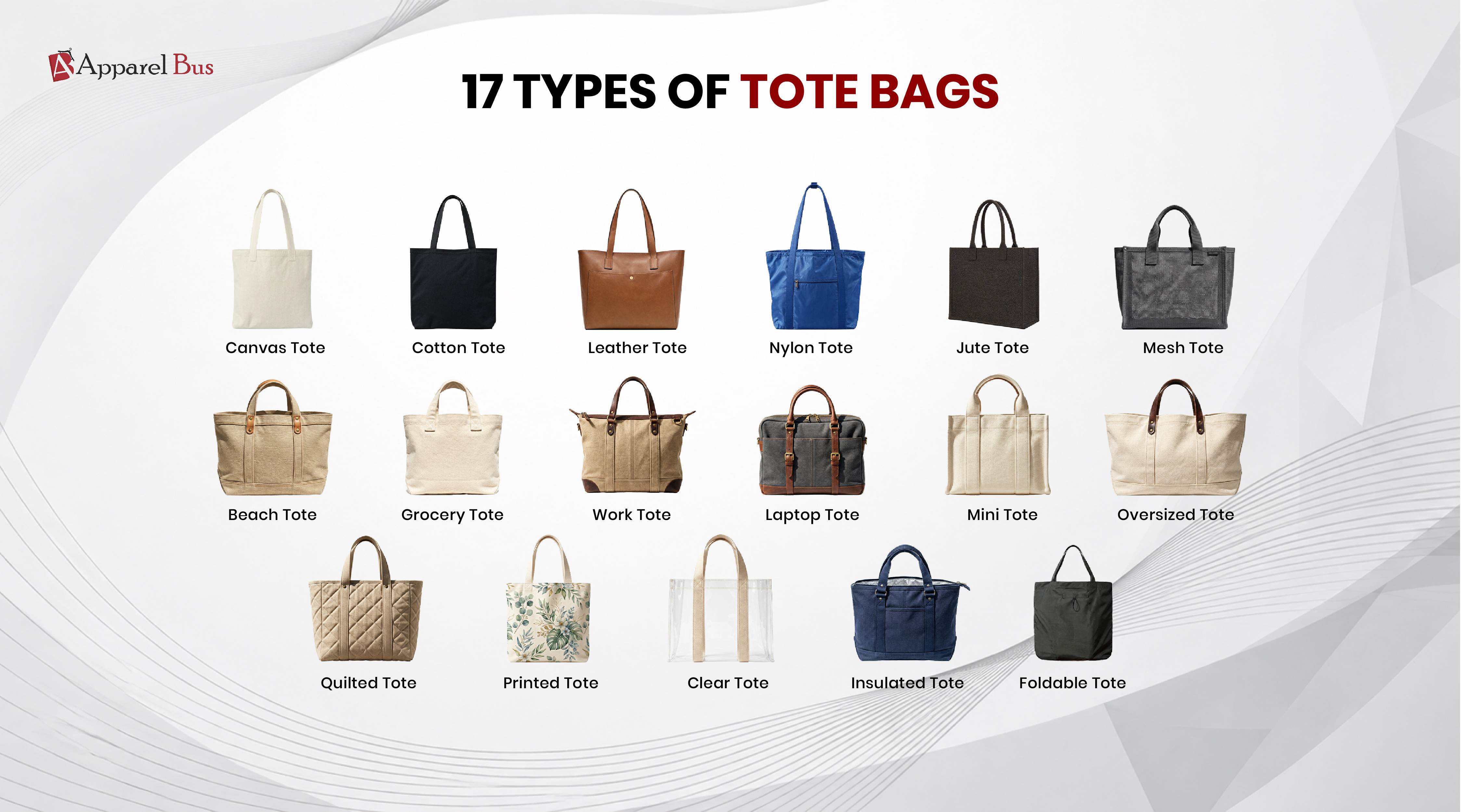
Table of Contents
Share this Media




Published on 16 Jul 2026

By Apparelbus
Types of Tote Bags: Complete Guide to Styles, Materials & Best Uses
Looking for the right tote bag but confused by all the styles available? Between canvas, leather, jute, and a dozen other materials, the choice is not as simple as it looks on a store shelf.
A tote bag is one of the few carry styles that works for almost every part of daily life. The same open-top, two-handle shape can hold groceries, a laptop, beach gear, or a stack of files, which is exactly why tote bags have become a staple for shopping, work, travel, school, fashion, and promotional giveaways. Let’s break down every major tote bag style, the materials behind them, and what a tote bag is used for, so you can match the right bag to the right job.
Tote Bags at a Glance
| Tote Type | Best For | Material | Durability | Style |
| Canvas | Every day carry, shopping | Cotton canvas | High | Casual |
| Cotton | Light shopping, gifting | Cotton | Medium | Casual |
| Leather | Work, travel | Leather | High | Formal |
| Nylon | Travel, rain | Nylon | High | Sporty |
| Jute | Farmers' markets, eco shopping | Jute | Medium | Rustic |
| Mesh | Beach, groceries | Nylon or polyester mesh | Medium | Casual |
| Beach | Vacations, pool days | Canvas or straw | Medium | Resort |
| Grocery | Reusable shopping | Canvas or polypropylene | High | Utility |
|
Work |
Commuting, professional use | Canvas or vegan leather | High | Professional |
|
Laptop |
Office, students | Canvas or nylon with padding | High | Practical |
|
Mini |
Fashion, evenings out | Leather or quilted fabric | Medium | Trendy |
|
Oversized |
Travel, weekend trips | Canvas or nylon | High | Relaxed |
|
Quilted |
Fashion accessory | Quilted nylon or leather | Medium | Trendy |
|
Printed |
Branding, fashion | Cotton or canvas | Medium | Expressive |
|
Clear |
Stadiums, concerts | PVC or vinyl | Medium | Functional |
|
Insulated |
Food delivery, picnics | Insulated nylon | Medium | Practical |
|
Foldable |
Travel, backup bag | Ripstop nylon | Medium | Compact |
What Is a Tote Bag?
A tote bag is an open-top bag with two parallel handles, built for carrying loose items without the need for zippers or clasps. The simple design is part of the appeal. There is nothing to unlatch, so items go in and out quickly.
The word tote comes from an English verb meaning to carry, especially heavy goods, and the term has been in use since the 17th century. The tote bag, as most people know it today, however, traces back to a single practical product.
L.L.Bean introduced a heavy canvas ice carrier in Brunswick, Maine, in 1944, designed to move block ice from a car to a home icebox. The bag disappeared from the catalog after one season, then returned in 1965 in a slimmer, more colorful form under the name Boat and Tote. Over the following decades, other brands began producing their own versions with leather trim, zippers, and printed graphics, and by the 1980s, retailers had discovered that a tote bag doubled as an easy, low-cost form of advertising.
Today, tote bags are popular because they solve a real problem better than almost any other bag style: they hold a large volume of loose items, they fold flat when empty, and they take printing, embroidery, and customization well, which makes them useful for everyday shoppers and businesses alike.
A quick timeline shows how far the style has traveled:
| Era | Milestone |
| 1944 | L.L.Bean launches a canvas ice carrier in Maine, the forerunner of the modern tote |
| 1964 | The bag returns as the Boat and Tote, with a slimmer shape and color trim |
| 1960s to 1970s | Designers begin treating totes as fashion pieces rather than purely functional bags |
| 1980s | Retailers and bookstores start printing branding on totes for low-cost marketing |
| 1990s to 2000s | Luxury fashion houses release leather and designer tote lines |
| 2020s | Reusable and eco-friendly totes are growing as an alternative to single-use plastic bags |
| 2026 | Oversized, quilted, and recycled-fabric totes lead current style trends |
What Is a Tote Bag Used For?
- Grocery shopping and weekly food runs
- Office commuting alongside a laptop and files
- School and college, for textbooks and supplies
- Gym bags for a change of clothes and shoes
- Travel, as a personal item or packable extra bag
- Beach days, for towels, sunscreen, and snacks
- Everyday carry for a wallet, phone, and keys
- Promotional events and trade shows as branded giveaways
- Library visits and study sessions
- Farmer’s markets and produce shopping
Types of Tote Bags
Every tote bag style below follows the same structure, covering description, features, materials, capacity, best uses, pros, cons, and a styling tip, making it easy to compare styles side by side.
Canvas Tote Bags
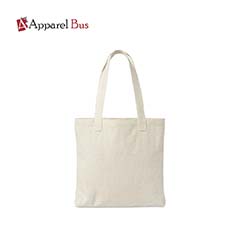
Canvas totes are the bag most people picture when they hear the word tote. The style traces back to 1944, when L.L.Bean introduced a heavy cotton canvas ice carrier in Maine, and the design later evolved into the now-famous Boat and Tote. That original bag proved canvas could be tough enough for daily use and simple enough to dress up or down.
- Features: heavyweight woven cotton, boxy structure, sturdy handles
- Common materials: 100% cotton canvas, canvas-poly blends
- Capacity: medium to large, often 15 to 25 liters
- Best uses: grocery shopping, everyday carry, reusable shopping bags, promotional giveaways
- Pros: durable, printable, affordable, holds shape well
- Cons: heavier than synthetic totes, not naturally water resistant
- Styling tip: a canvas tote with a rolled cuff or contrast handles works with both jeans and office wear
Cotton Tote Bags
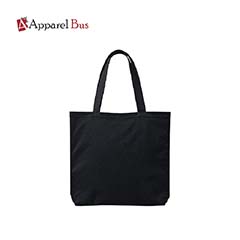
Cotton totes sit right next to canvas in most stores, but the two are not the same thing. Canvas is a thick, tightly woven cotton fabric, while a plain cotton tote uses a lighter, softer weave. That difference makes cotton totes easier to fold flat and more comfortable against the body, though they wear out faster under heavy loads.
- Features: lightweight fabric, soft drape, easy to print or embroider
- Common materials: 100% cotton, organic cotton, cotton-linen blends
- Capacity: small to medium, usually 8 to 18 liters
- Best uses: gift bags, event totes, light shopping, everyday carry
- Pros: breathable, machine washable, budget-friendly
- Cons: less structure than canvas, can stretch with heavy items
- Styling tip: pick a natural, undyed cotton tote for a clean, minimalist look
Leather Tote Bags
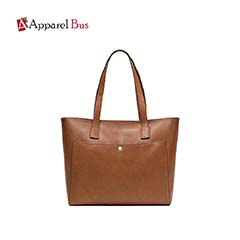
Leather totes moved from purely functional to genuinely luxurious once designers realized the material could carry the same silhouette with far more polish. Brands built entire product lines around leather totes in the following decades, and the style still signals professionalism today.
- Features: structured shape, reinforced handles, refined hardware
- Common materials: full-grain leather, top-grain leather, saffiano leather
- Capacity: medium, typically 12 to 20 liters
- Best uses: women's work bags, client meetings, travel, office commutes
- Pros: long-lasting, ages well, elevated appearance
- Cons: higher price point, needs conditioning, heavier than fabric totes
- Styling tip: a structured leather tote in black or tan pairs cleanly with tailored office wear
Nylon Tote Bags
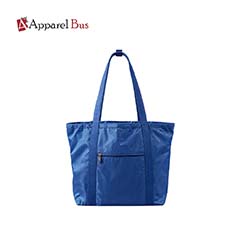
Nylon totes exist for people who need a bag that shrugs off bad weather and rough handling. The synthetic fabric resists water far better than cotton, and it folds down small enough to stash in a suitcase or glove box until it is needed.
- Features: lightweight synthetic weave, quick-dry surface, foldable design
- Common materials: ripstop nylon, coated nylon, recycled nylon
- Capacity: medium to large, often 15 to 20 liters
- Best uses: travel, rain, commuting, gym bags
- Pros: water resistant, lightweight, packs small
- Cons: less structured, can feel less premium than natural fibers
- Styling tip: a nylon tote in a bright color works well as a lightweight travel companion bag
Jute Tote Bags
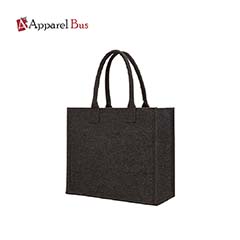
Jute totes appeal to shoppers who want their bag choice to say something about their values. The fiber grows quickly, needs little water, and biodegrades naturally, which makes it a favorite among eco-conscious buyers and farmers' market vendors.
- Features: coarse natural texture, rustic appearance, biodegradable fiber
- Common materials: 100% jute, jute-cotton blends
- Capacity: medium, usually 12 to 18 liters
- Best uses: farmers' markets, eco-conscious shopping, gifting, retail branding
- Pros: sustainable, biodegradable, distinctive natural texture
- Cons: rougher texture, less water resistant, can shed fibers early on
- Styling tip: pair a jute tote with linen or cotton outfits for a coordinated, natural look
Mesh Tote Bags
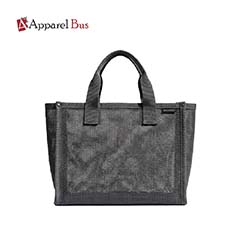
Mesh totes solve a simple problem: wet, sandy, or damp items need somewhere to drain and dry, not a sealed bag that traps moisture. The open weave lets water pass right through, which is exactly why this style shows up so often at pools and beaches.
- Features: open weave construction, quick drainage, breathable design
- Common materials: nylon mesh, polyester mesh
- Capacity: medium, typically 15 to 20 liters
- Best uses: beach, swimming, groceries, produce shopping
- Pros: dries fast, sand and water fall through, lightweight
- Cons: not suited for small, loose items, minimal structure
- Styling tip: a mesh tote in a bold color doubles as both a beach bag and a produce carrier
Beach Tote Bags
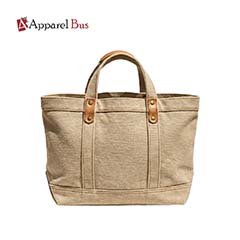
Beach totes are built around one goal: fit everything a day at the shore requires in a single trip. That usually means a wider opening, a flat bottom that stands upright in sand, and materials that do not mind getting wet.
- Features: wide opening, flat base, oversized silhouette
- Common materials: canvas, straw, water-resistant nylon
- Capacity: large, often 25 liters or more
- Best uses: beach trips, pool days, vacations, outdoor events
- Pros: large capacity, easy to load and unload, casual style
- Cons: bulky for daily use, straw versions are less water resistant
- Styling tip: a striped canvas beach tote with leather handles works for both the sand and a boardwalk lunch
Grocery Tote Bags
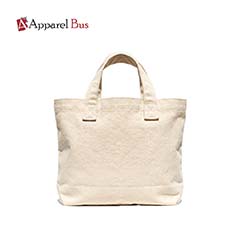
Grocery totes are designed around one job: carrying heavy, uneven loads from car to kitchen without tearing. Reinforced stitching and a flat, wide base matter more here than looks, which is why many reusable shopping bags fall into this category.
- Features: reinforced base, wide opening, sturdy straps
- Common materials: heavy canvas, non-woven polypropylene, recycled polyester
- Capacity: large, usually 20 to 30 liters
- Best uses: reusable shopping bags, weekly grocery runs, bulk shopping
- Pros: high weight capacity, foldable when not in use, eco-friendly alternative to plastic
- Cons: bulkier design, less suited to formal settings
- Styling tip: keep two or three folded grocery totes in the car so one is always on hand
Work Tote Bags
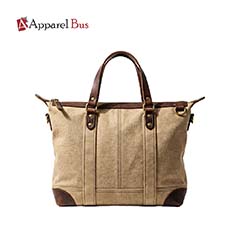
Work totes are built for the modern commute, where a laptop, a notebook, a water bottle, and a change of shoes all need to fit in one bag without looking sloppy. Structured panels and organized interiors set this style apart from a casual tote.
- Features: structured panel, organized interior pockets, professional silhouette
- Common materials: vegan leather, canvas, polyester twill
- Capacity: medium to large, typically 18 to 25 liters
- Best uses: professional use, daily commuting, client meetings
- Pros: organized storage, polished look, durable construction
- Cons: higher price than basic totes, can be heavy when fully loaded
- Styling tip: choose a work tote with a dedicated laptop sleeve to avoid carrying a second bag
Laptop Tote Bags
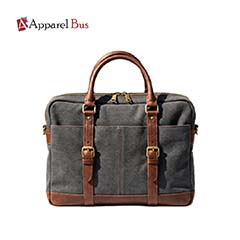
Laptop totes take the everyday tote shape and add real protection for electronics. A padded sleeve or compartment keeps a device from shifting around next to books, chargers, and other daily items.
- Features: padded laptop compartment, reinforced base, organized pockets
- Common materials: canvas with foam padding, nylon, vegan leather
- Capacity: medium, usually 15 to 20 liters
- Best uses: office use, students, remote work, coworking spaces
- Pros: tech protection, dedicated storage, doubles as a work bag
- Cons: padding adds bulk, slightly heavier than a standard tote
- Styling tip: look for a tote with a padded sleeve that fits laptops up to 15 inches for the widest compatibility
Mini Tote Bags
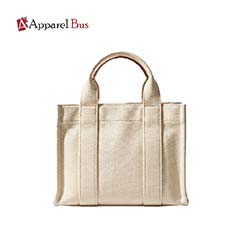
Mini totes shrink the classic silhouette down to a size built for style rather than storage. The trend picked up momentum as shoppers looked for a bag that could carry a phone, cards, and keys without the bulk of a full-size tote.
- Features: compact silhouette, short handles, fashion-forward details
- Common materials: leather, vegan leather, quilted fabric
- Capacity: small, typically 3 to 8 liters
- Best uses: casual outings, evenings out, fashion accessory
- Pros: trendy, lightweight, easy to carry
- Cons: limited storage, not practical for daily essentials
- Styling tip: a mini tote works best as a going-out bag paired with a larger everyday bag for daytime errands
Oversized Tote Bags
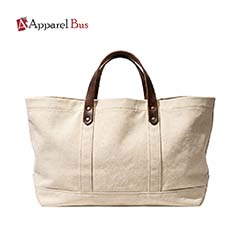
Oversized totes go in the opposite direction, favoring maximum capacity over a compact profile. This style has become one of the defining bag trends heading into 2026, as travelers and weekend packers look for a single bag that skips the need for a separate carry-on.
- Features: extra-large silhouette, wide base, reinforced handles
- Common materials: canvas, nylon, quilted synthetic leather
- Capacity: extra large, often 30 liters or more
- Best uses: travel, weekend trips, gym, overnight essentials
- Pros: maximum storage, fits bulky items, one-bag convenience
- Cons: can look bulky for daily commuting, heavier when full
- Styling tip: Balance an oversized tote with fitted clothing so the outfit does not look overwhelmed
Quilted Tote Bags
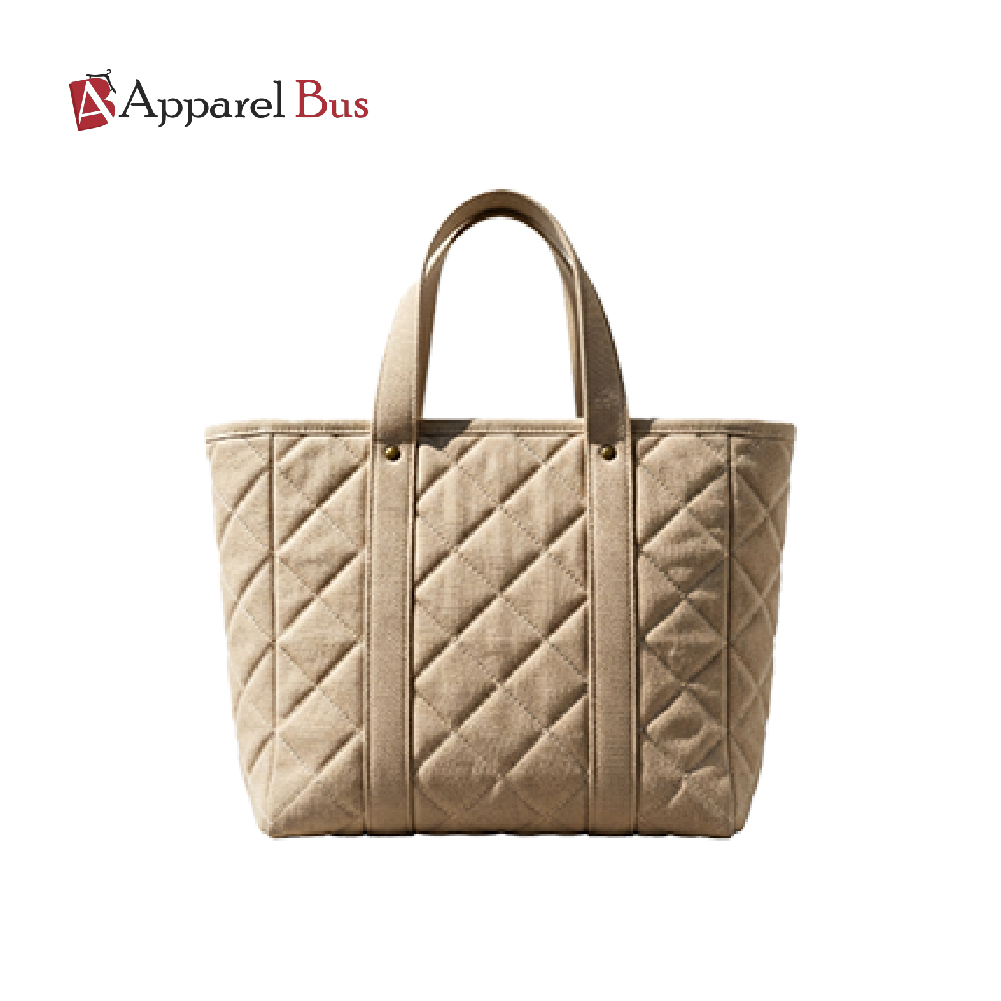
Quilted totes bring texture and structure into the design through stitched panels, often padded for a slightly puffed look. The style has grown into one of the strongest fashion trends in tote bags, borrowed from luxury quilted handbag designs and adapted into everyday carryalls.
- Features: stitched quilted panels, padded texture, structured shape
- Common materials: quilted nylon, quilted vegan leather, quilted cotton
- Capacity: medium, usually 12 to 20 liters
- Best uses: fashion accessory, casual outings, layered winter looks
- Pros: distinctive texture, extra cushioning, on-trend appearance
- Cons: harder to clean than smooth fabrics, can look busy with patterned outfits
- Styling tip: a neutral quilted tote adds texture without competing with a printed outfit
Printed Tote Bags
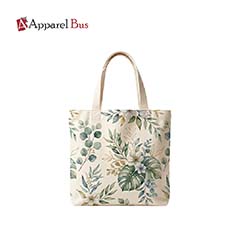
Printed totes turn the bag itself into a message, whether that is a brand logo, an artistic design, or a slogan. Retailers realized decades ago that a simple, well-designed print on a canvas tote could double as walking advertising, and the approach still works today.
- Features: screen-printed or heat-transferred graphics, canvas or cotton base, customizable surface
- Common materials: cotton, canvas, cotton-poly blends
- Capacity: small to medium, usually 10 to 18 liters
- Best uses: branding, fashion statements, promotional events, retail giveaways
- Pros: highly customizable, strong branding value, wide price range
- Cons: print quality varies by method, and colors may fade with heavy washing
- Styling tip: a single bold graphic on a plain canvas base tends to look more intentional than an all-over pattern
Clear Tote Bags
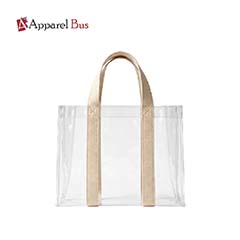
Clear totes exist to meet a specific requirement rather than a design trend. Stadiums, arenas, and many concert venues now require see-through bags for security screening, which has made this a standard accessory for event attendance.
- Features: transparent panels, security-compliant design, simple structure
- Common materials: clear PVC, clear vinyl
- Capacity: small to medium, usually 10 to 15 liters
- Best uses: stadium-approved carry, concerts, sports events, arenas
- Pros: meets venue security policies, easy to spot contents, lightweight
- Cons: no privacy for contents, limited style options
- Styling tip: Use a small pouch inside a clear tote to keep personal items organized without breaking venue rules
Insulated Tote Bags
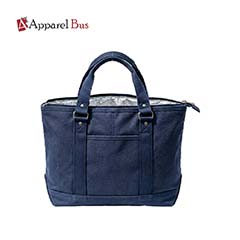
Insulated totes add a thermal lining to the standard tote shape, which keeps hot food hot and cold food cold for hours. The design has become a common choice for anyone managing food safely outside a kitchen.
- Features: thermal lining, zippered top, leak-resistant interior
- Common materials: insulated foil lining, nylon exterior, PEVA lining
- Capacity: medium, typically 10 to 18 liters
- Best uses: food delivery, picnics, packed lunches, grocery runs with perishables
- Pros: maintains temperature, keeps spills contained, practical for food safety
- Cons: bulkier than standard totes, liner requires regular cleaning
- Styling tip: choose an insulated tote with a flat bottom so containers stay upright during transport
Foldable Tote Bags
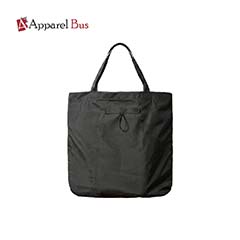
Foldable tote bags are perfect for people who want a bag ready whenever they need one without carrying extra bulk. They fold into a compact pouch or flat square, making them easy to store in a purse, backpack, glove compartment, or even a pocket until it's time to use them.
- Features: compressible design, snap or zip closure pouch, lightweight build
- Common materials: ripstop nylon, polyester, recycled polyester
- Capacity: medium, usually 15 to 20 liters when unfolded
- Best uses: travel, backup shopping bag, space-saving storage
- Pros: extremely portable, space saving, convenient for spontaneous errands
- Cons: thinner material than dedicated grocery totes, less structure
- Styling tip: keep a foldable tote clipped to a keychain or bag strap so it is always within reach
Tote Bags by Material
Style is only half the story. The fabric or material a tote is made from determines how long it lasts, how it handles weather, and how sustainable it is.
Canvas
A heavyweight, tightly woven cotton fabric known for durability. Pros include strength and printability. Cons include added weight and a longer drying time if it gets wet.
Cotton
A lighter, softer weave than canvas. Pros include breathability and comfort. Cons include less structure and faster wear under heavy loads.
Leather
A premium natural material that develops character over time. Pros include longevity and a refined look. Cons include cost and the need for occasional conditioning.
Faux Leather
A synthetic alternative to leather. Pros include a lower price and animal-free materials. Cons include a shorter lifespan and less breathability.
Polyester
A synthetic fabric valued for its low cost and easy care. Pros include water resistance and fade resistance. Cons include a less premium feel than natural fibers.
Nylon
A durable, lightweight synthetic. Pros include water resistance and packability. Cons include a more technical, less natural appearance.
Jute
A natural plant fiber that biodegrades. Pros include sustainability and a distinctive texture. Cons include a rougher feel and lower water resistance.
Recycled Materials
Includes recycled cotton, polyester, and canvas blends made from post-consumer waste. Pros include a smaller environmental footprint. Cons include slightly higher pricing in some cases.
Organic Cotton
Cotton grown without synthetic pesticides or fertilizers. Pros include a lower chemical footprint and soft texture. Cons include a higher price than conventional cotton.
How to Choose the Right Tote Bag
A few questions narrow down the options quickly:
- What will you carry? Daily essentials, a laptop, groceries, or beach gear all call for different sizes and structures.
- Will you use it daily, or mostly for travel? Daily totes benefit from organization, while travel totes benefit from extra capacity.
- Do you need to carry a laptop? Look for a padded compartment rather than a plain open interior.
- Are you shopping for groceries or bulk items? Prioritize a reinforced base and wide opening.
- Is this for fashion or business use? Leather and structured totes suit professional settings, while canvas and printed totes suit casual wear.
- What is your budget? Cotton and canvas totes are the most affordable, while leather sits at the higher end.
- What is the material and weather resistance you need? Nylon and polyester handle rain better than cotton or jute.
Tote Bag Handle Types
The handle style affects both comfort and how the bag can be carried.
- Short handles, carried by hand, common on structured work and leather totes
- Long handles, worn on the shoulder, common on canvas and everyday totes
- Shoulder straps, wider and padded for heavier loads
- Crossbody conversions, using an added adjustable strap for hands-free carry
- Padded straps added comfort for oversized or fully loaded totes
Popular Tote Bag Closures
Most totes stick to an open top by design, but several closure options add extra security.
- Open top, the classic tote style with no closure
- Zipper, the most secure option for travel and daily commuting
- Magnetic snap, a quick close that keeps the top loosely secured
- Button closure, a simple flap-and-button design
- Drawstring, common on soft-sided and beach totes
- Velcro, a budget-friendly closure found on casual totes
Conclusion
Choosing the right tote bag comes down to matching purpose, material, durability, style, and budget to how the bag will actually be used. A canvas tote covers most everyday needs, a leather tote elevates a work wardrobe, and an insulated or clear tote solves a specific problem that a standard tote cannot.
If you're buying tote bags in bulk for a business, school, nonprofit, or promotional event, browsing our tote bags wholesale collection is a great place to compare styles, materials, and bulk pricing. If you're looking to build a complete order, our blank apparel collection includes a wide range of customizable clothing and accessories that pair well with branded tote bags.
Frequently Asked Questions
It depends on the material and construction, but a well-made canvas or nylon tote with reinforced stitching typically holds 20 to 40 pounds comfortably.
Yes, as long as the tote has a padded compartment or a slip pocket sized for the device. A plain open tote can still work with a separate laptop sleeve inside.
Leather and heavyweight canvas tend to outlast lighter cotton or synthetic options, though nylon holds up well against water and daily wear.
No, canvas resists light moisture but is not fully waterproof. A coated or treated canvas offers better protection in light rain.
Most canvas totes can be machine-washed on a gentle cycle with cold water, though hand washing helps preserve print quality and shape over time.
Share this Media
Leave us a comment