
 +1-442-325-3923


 Live Chat









Your shopping cart is currently empty.
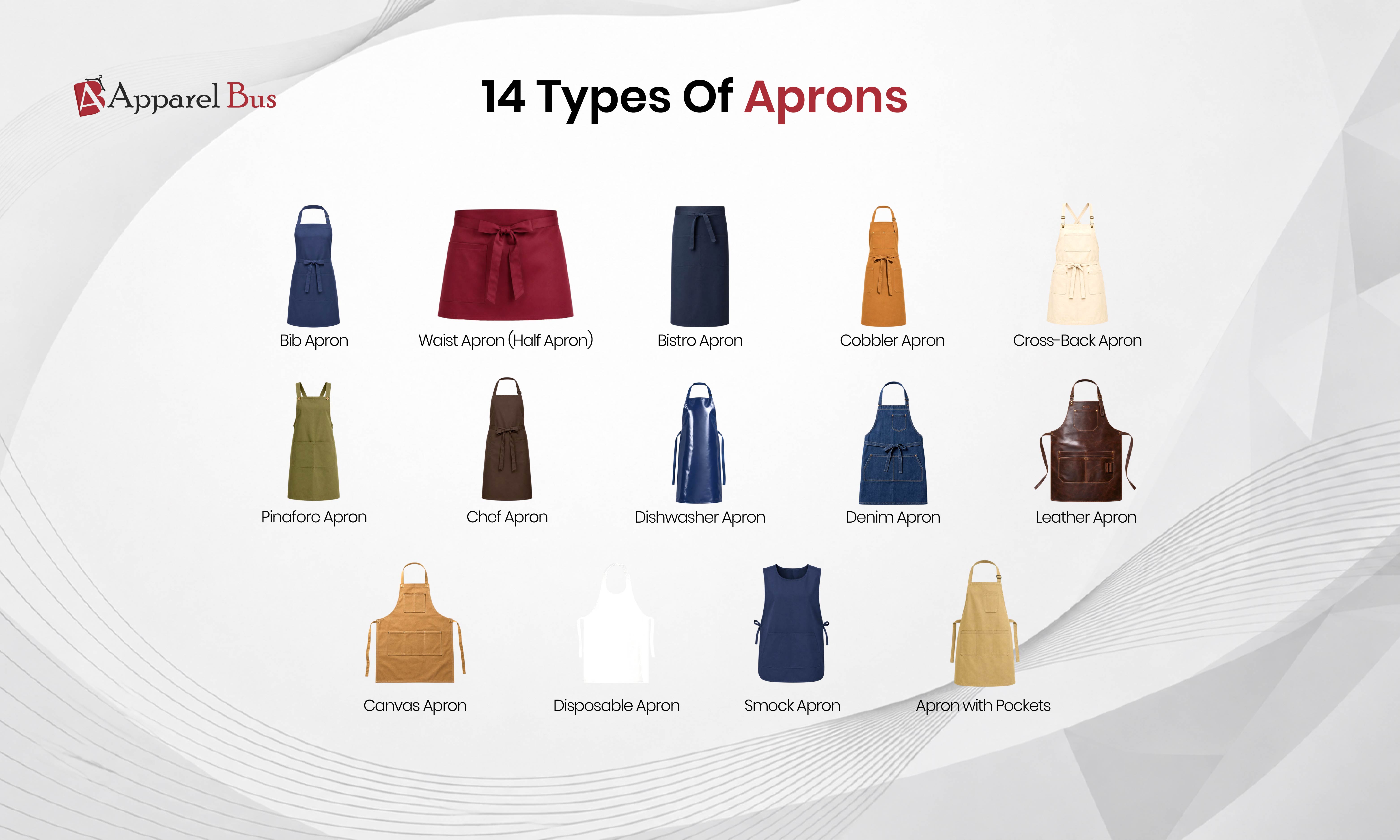
Table of Contents
Share this Media




Published on 03 Aug 2026

By Apparelbus
14 Different Types of Aprons
Why does one apron work perfectly in a restaurant but feel completely wrong in a home kitchen? If you've ever struggled with uncomfortable straps, limited coverage, or not enough pockets, you're not alone. Many people choose an apron based on its appearance instead of its purpose, only to realize later that it doesn't meet their needs.
The right apron depends on the job you're doing. From cooking and baking to serving, crafting, and woodworking, each style is designed with specific features in mind.
Let’s walk you through the different types of aprons, their features, materials, and best applications, so you can match the right style to the right job, whether you need one apron or a bulk order for a whole team.
A Quick Overview of Apron Styles:
| Apron Type | Coverage | Best For | Pocket Options | Custom Printing |
| Bib Apron | Chest to knee | Kitchens, cafés | Front pocket common | Excellent |
| Waist Apron | Waist to knee | Servers, bartenders |
Small pockets common |
Good |
| Bistro Apron | Waist to below knee | Fine dining, cafés | Side pockets common | Good |
| Cobbler Apron | Front and back | Teachers, healthcare | Limited | Good |
| Cross-Back Apron | Chest to knee | Coffee shops | Front pocket common | Excellent |
| Pinafore Apron | Full body | Home kitchens, bakeries | Limited | Good |
| Chef Apron | Chest to knee | Professional kitchens | Front pocket common | Excellent |
| Dishwasher Apron | Chest to below knee | Dish pits, wet areas | Rare | Limited |
| Denim Apron |
Chest to knee |
Coffee shops, barbers | Front pocket common | Excellent |
| Leather Apron |
Chest to knee |
Welding, woodworking | Rare | Limited |
| Canvas Apron |
Chest to knee |
Workshops, gardening | Multiple pockets common | Excellent |
| Disposable Apron |
Chest to knee |
Medical, food processing | None | Excellent |
| Smock Apron |
Full body, loose fit |
Artists, florists | Limited | Good |
| Apron with Pockets |
Varies by base style |
Servers, tradespeople | Multiple pockets | Excellent |
What Is an Apron?
An apron is a protective garment worn over clothing to shield it from spills, stains, heat, and general wear. It typically covers the front of the body and ties at the waist or neck, though coverage varies widely by style. Aprons exist to protect both the wearer's clothes and, in many trades, the wearer's skin from heat, chemicals, or sharp tools.
The word apron traces back to the Old French naperon, a small tablecloth. Over time, the phrase "a napron" was misheard as "an apron," and the new spelling stuck in English. Workers, cooks, and tradespeople have relied on some form of apron for centuries, long before commercial kitchens or uniform programs existed.
The right apron protects clothing, keeps everyday essentials within reach, and supports comfort during busy workdays. For restaurants, cafés, salons, workshops, and retail businesses, it also becomes a valuable piece as they can convert it into custom apparel that promotes a professional appearance and strengthens brand visibility wherever employees serve customers.
Different Types of Aprons
Aprons are built differently depending on the coverage, storage, and durability a job demands. The sections below break down the most common types, who typically wears each, and where each works best.
Bib Apron
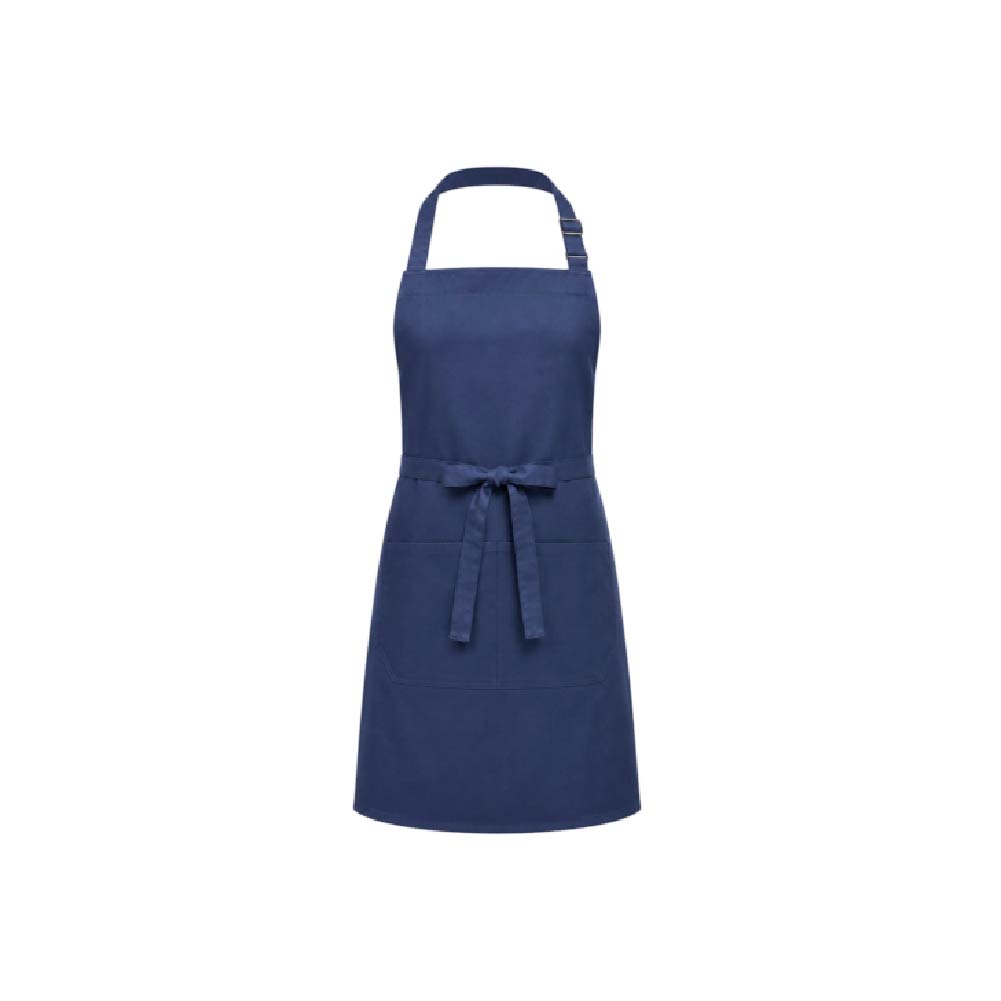
A bib apron covers the chest and torso with a panel that loops over the neck, then extends down to the knees or lower. This design gives more upper-body protection than a waist apron, which makes it a common choice in kitchens and workshops.
- Common users: line cooks, home cooks, baristas, hardware store staff.
- Pros: wide coverage, adjustable neck strap, room for a large front pocket.
- Best for: general kitchen work, cafés, and any job that involves splashes above the waist.
Waist Apron (Half Apron)
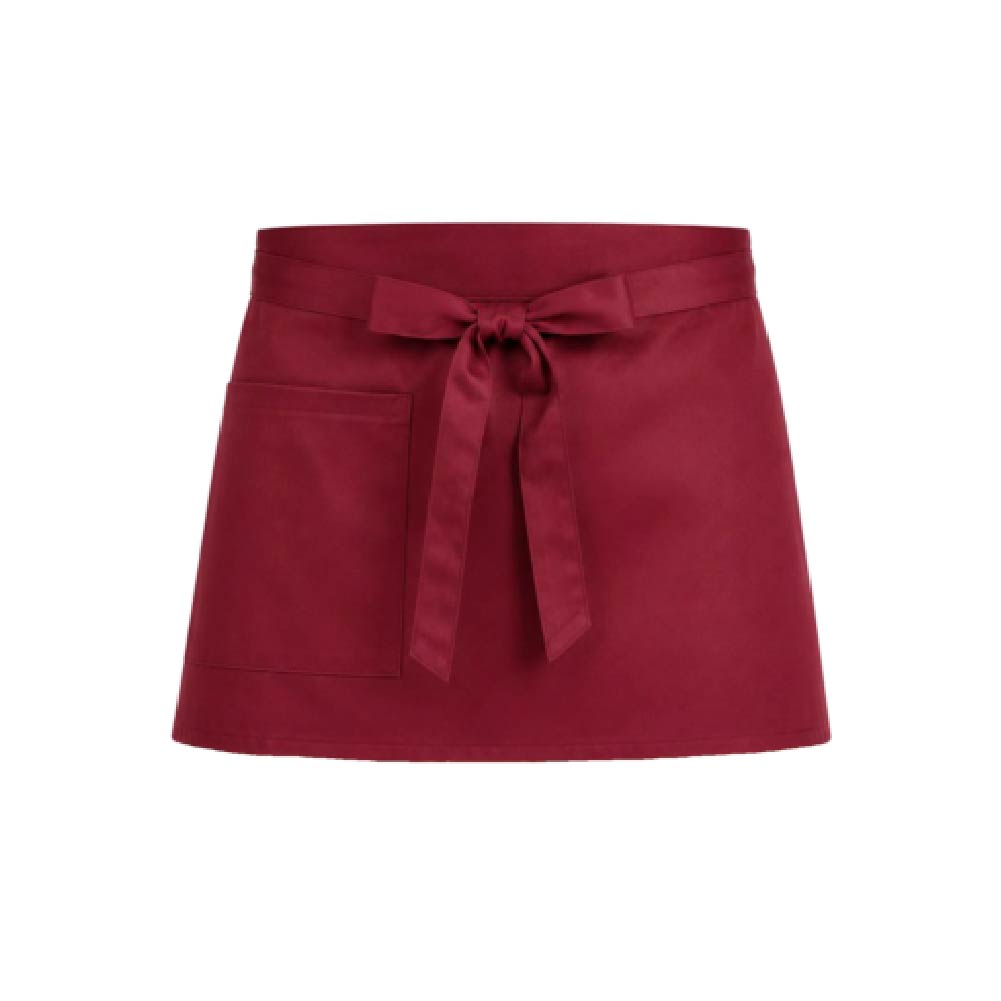
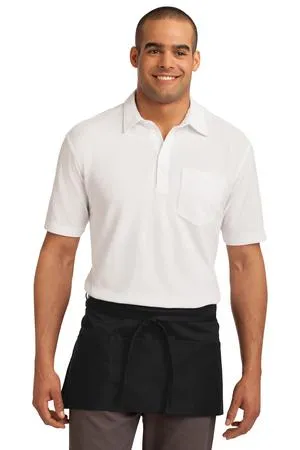
A waist apron, also called a half apron, ties around the waist and covers only the lower body. It skips the neck strap entirely, which keeps the wearer cooler and gives more freedom of movement for the upper body.
- Common users: restaurant servers, bartenders, retail associates.
- Pros: lightweight, easy to move in, often includes pockets for order pads, cash, or a bottle opener.
- Best for: front-of-house restaurant work, bartending, and retail counters where mobility matters more than full coverage.
Bistro Apron
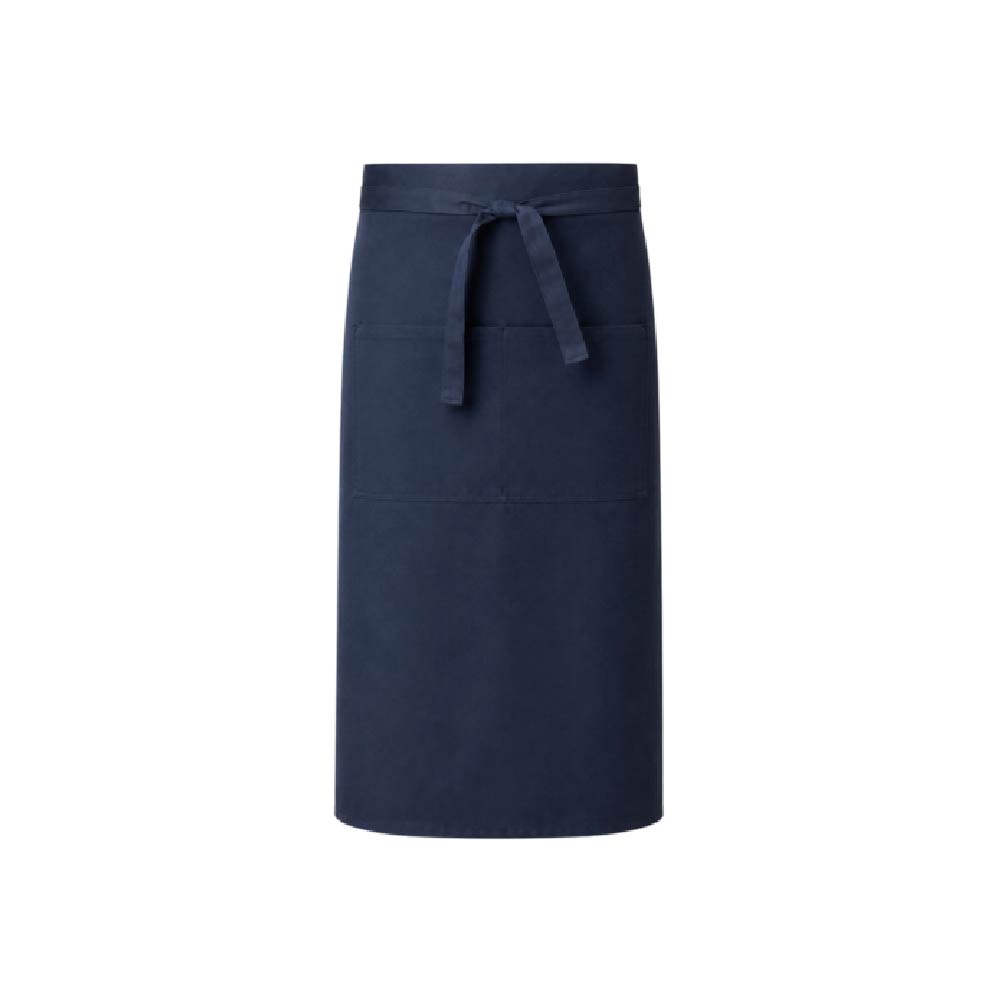
A bistro apron runs longer than a standard waist apron, often reaching down to the knee or below. The extra length gives more leg protection and a tidier, more formal look, which is why it turns up so often in sit-down restaurants.
So what is a bistro apron used for? It is the go-to choice for fine dining servers, sommeliers, and café staff who need a polished appearance along with a bit more coverage than a short waist apron provides.
- Common users: fine dining servers, café and bistro staff, sommeliers.
- Best for: upscale restaurants and cafés where presentation matters as much as protection.
Cobbler Apron
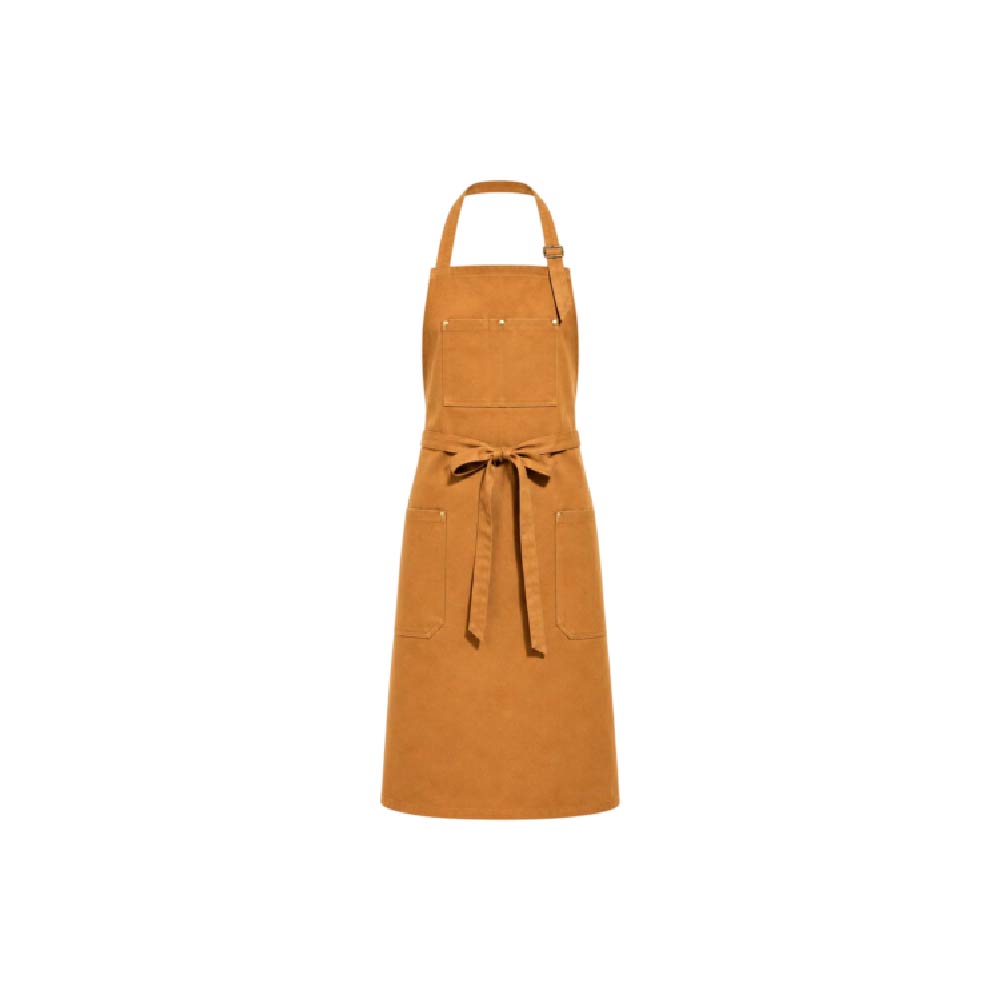
A cobbler apron covers both the front and back of the body and ties at the sides rather than looping over the neck. Because it slips on like a tunic, it distributes coverage evenly and does not slide around during movement.
- Common users: teachers, healthcare workers, retail staff, craftspeople.
- Pros: even front and back coverage, easy to slip on and off, comfortable for long periods.
- Best for: classrooms, clinics, and retail settings where staff need light, all-around protection without a heavy garment.
Cross-Back Apron
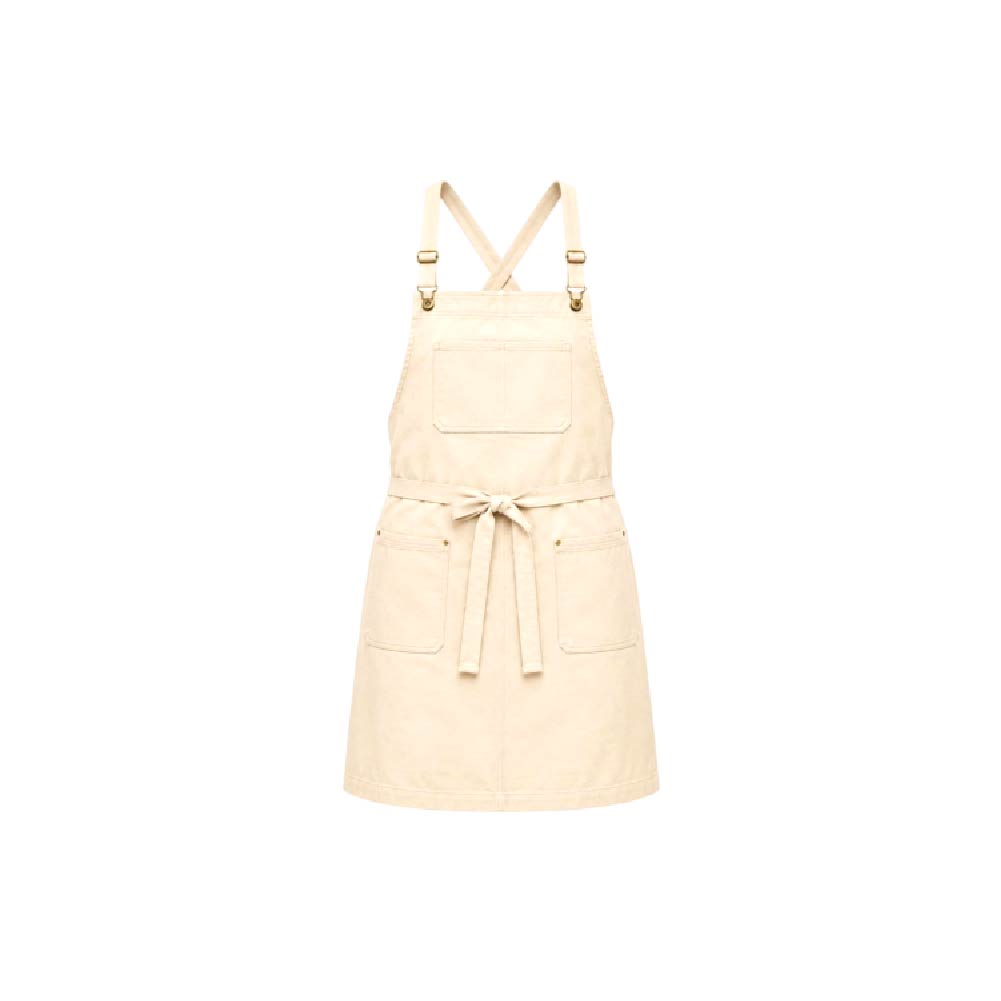
A cross-back apron replaces the single neck strap with straps that cross over the shoulders and attach at the waist. This spreads the weight across both shoulders instead of the neck, which reduces strain during long shifts.
- Common users: baristas, coffee shop staff, restaurant workers on all-day shifts.
- Pros: better weight distribution, no neck strain, comfortable for extended wear.
- Best for: coffee shops and any job that involves standing and moving for many hours at a stretch.
Pinafore Apron
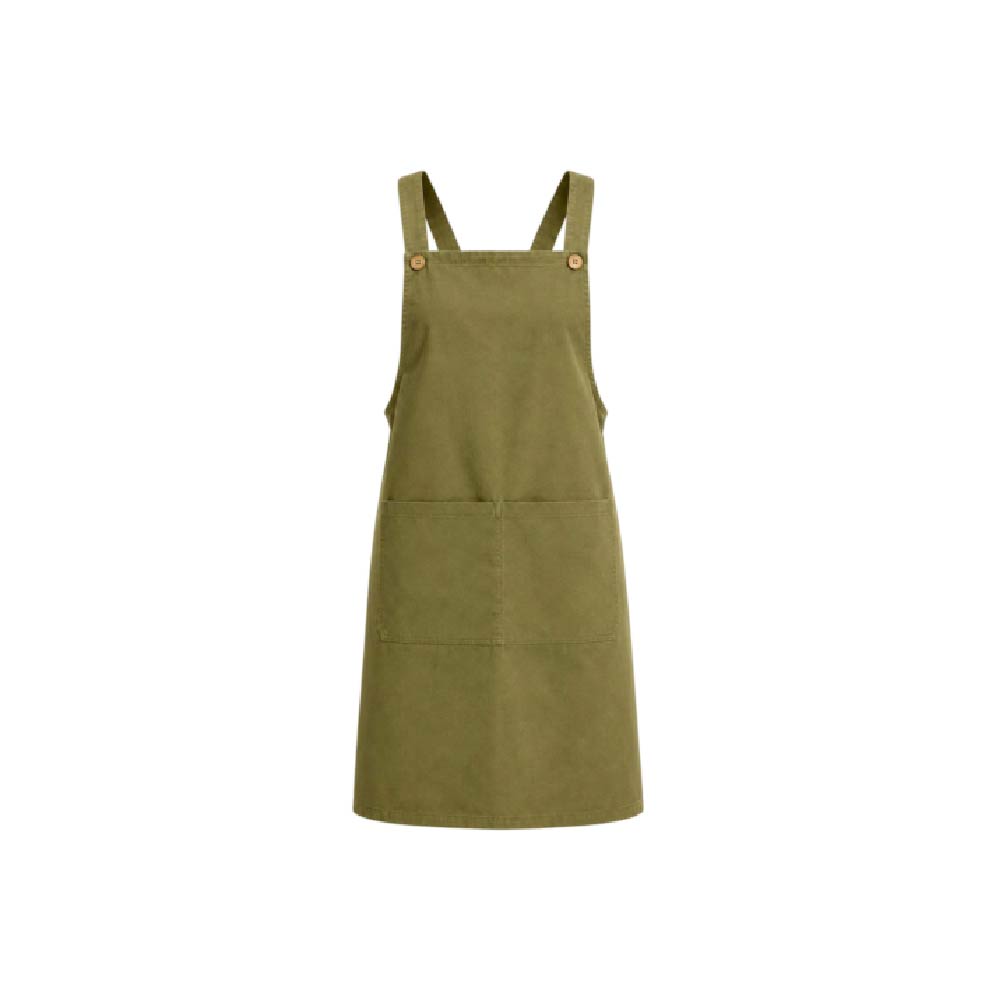
A pinafore apron wraps around the body for full coverage, often with straps that cross or button at the back and shoulders. It resembles a sleeveless dress worn over clothing rather than a simple front panel.
- Common users: home cooks, bakers, caterers.
- Pros: full-body protection from spills and flour, comfortable fit, easy to launder.
- Best for: home kitchens and bakeries where messy, hands-on work calls for more coverage than a bib apron gives.
Chef Apron
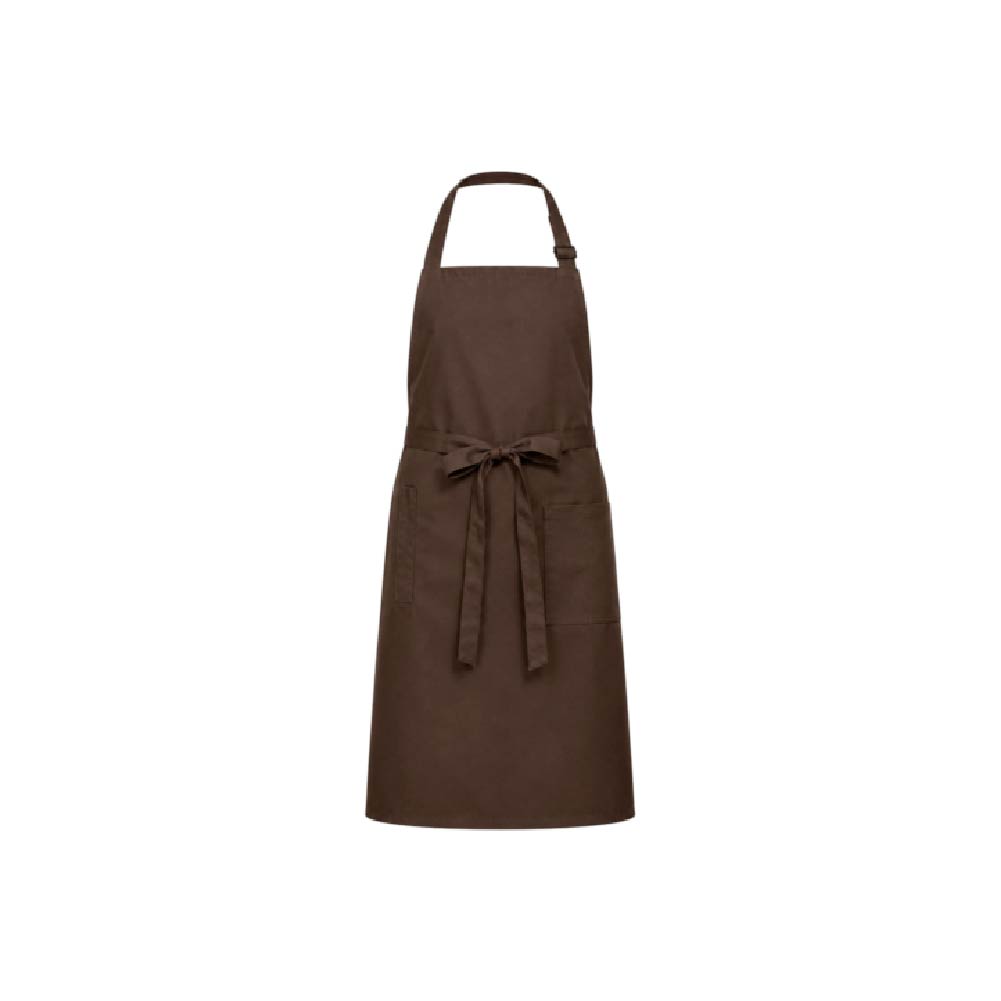
A chef apron is built for the demands of a professional kitchen, using heavier fabric that resists heat, stains, and frequent washing. Many versions add reinforced stitching and adjustable straps to handle daily commercial use.
- Common users: professional chefs, culinary students, commercial kitchen staff.
- Pros: heat resistance, heavy-duty construction, long lifespan under daily use.
- Best for: professional kitchens and culinary schools where durability matters more than a lightweight feel.
Dishwasher Apron
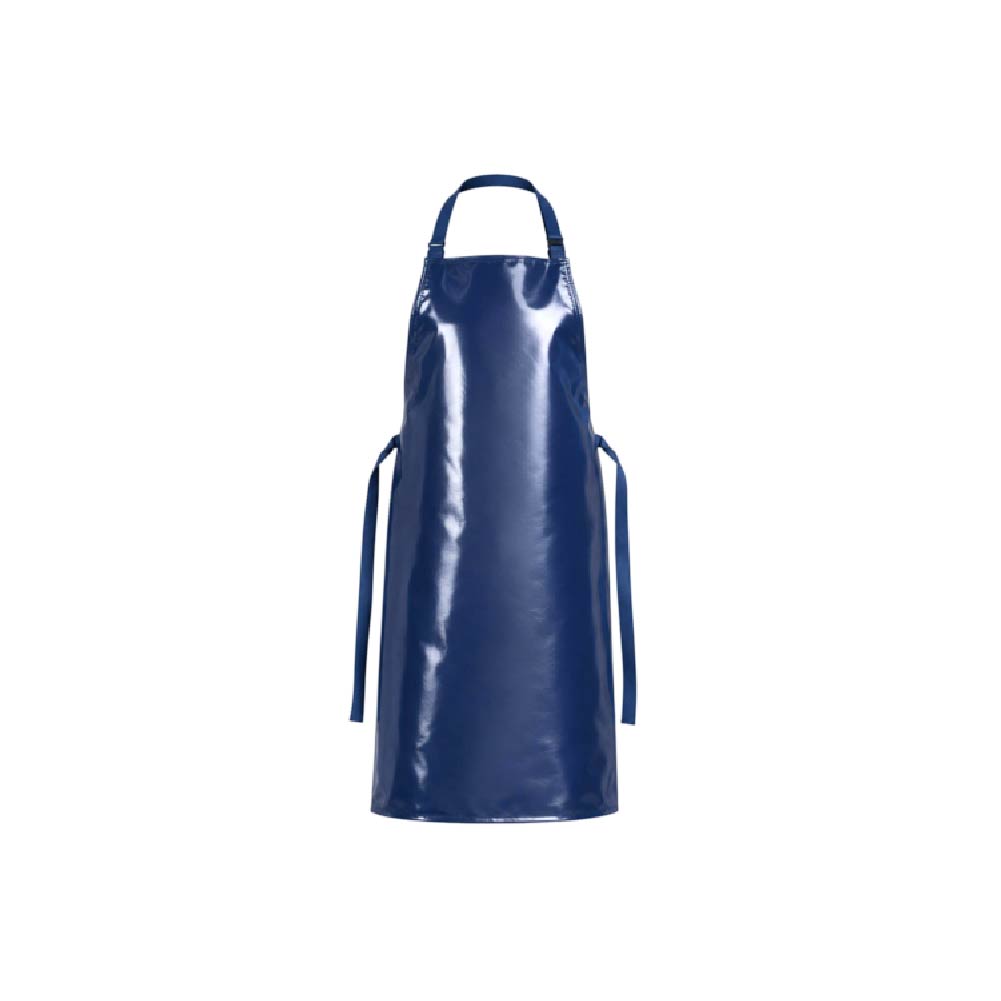
A dishwasher apron is made from waterproof material, usually PVC or vinyl, to keep the wearer dry through hours of standing at a sink or dish pit. Unlike cotton aprons, it sheds water instead of absorbing it.
- Common users: dishwashers, food prep staff, cleaning crews.
- Pros: fully waterproof, easy to wipe down, holds up in constantly wet environments.
- Best for: dish pits, food processing lines, and any job that involves standing water or heavy rinsing.
Denim Apron
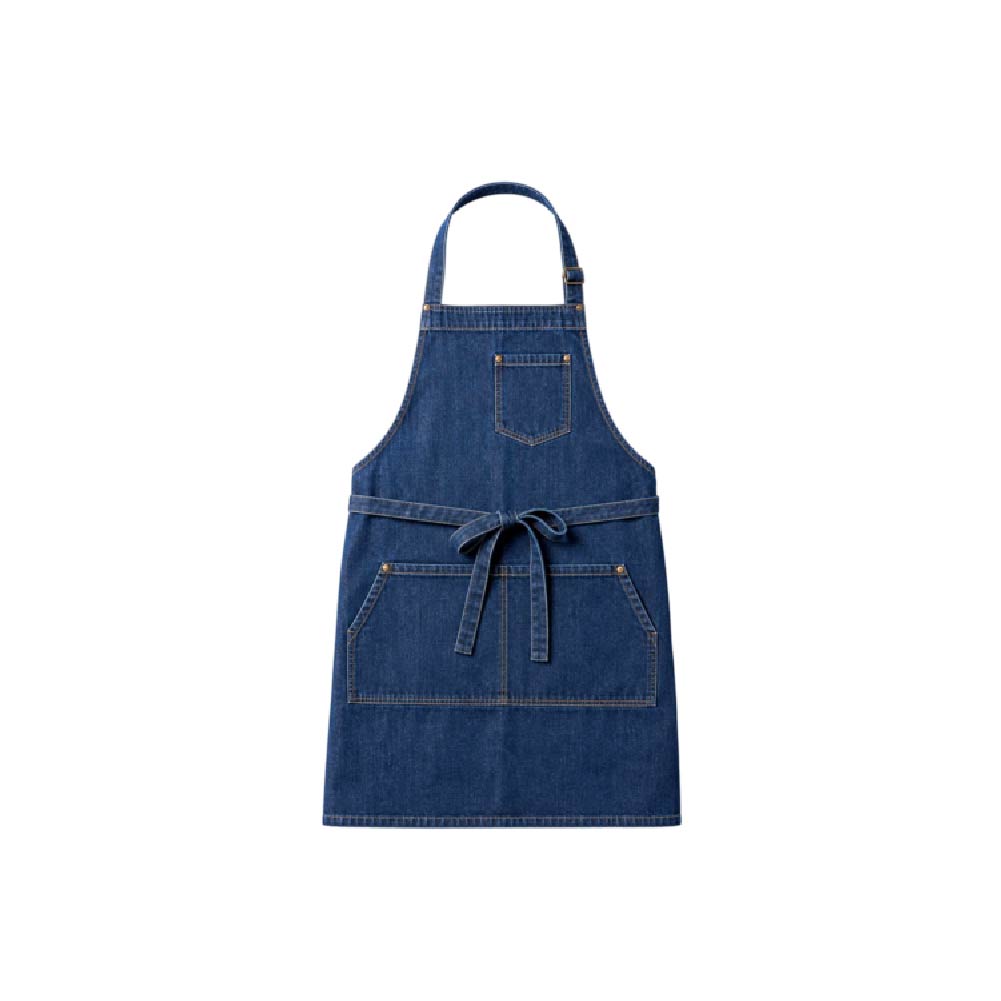
A denim apron brings a sturdy, casual look that has become popular well beyond workshops, especially in coffee shops and barbershops that want a specific aesthetic. Many styles pair the denim body with leather straps for added durability.
- Common users: baristas, barbers, retail staff at boutique shops.
- Pros: durable fabric, on-trend appearance, holds up to regular wear.
- Best for: coffee shops, barbershops, and retail brands that want a rugged, modern look.
Leather Apron
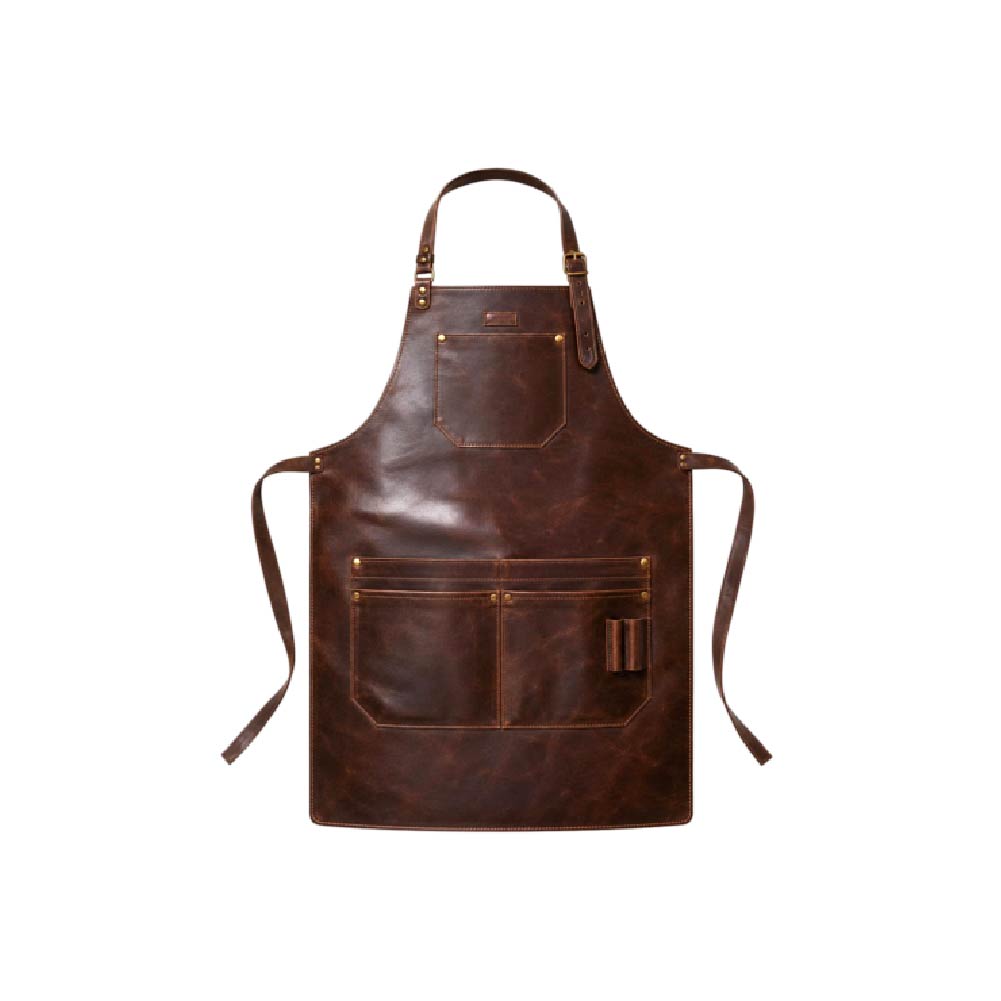
A leather apron protects against sparks, heat, and sharp edges better than any woven fabric, which is why it remains standard in trades that involve fire or blades. The material resists punctures and does not catch fire the way cotton can.
- Common users: welders, blacksmiths, woodworkers, barbecue pitmasters.
- Pros: excellent heat and spark resistance, highly durable, resists cuts and abrasion.
- Best for: welding shops, forges, woodworking studios, and outdoor grilling and barbecue setups.
Canvas Apron
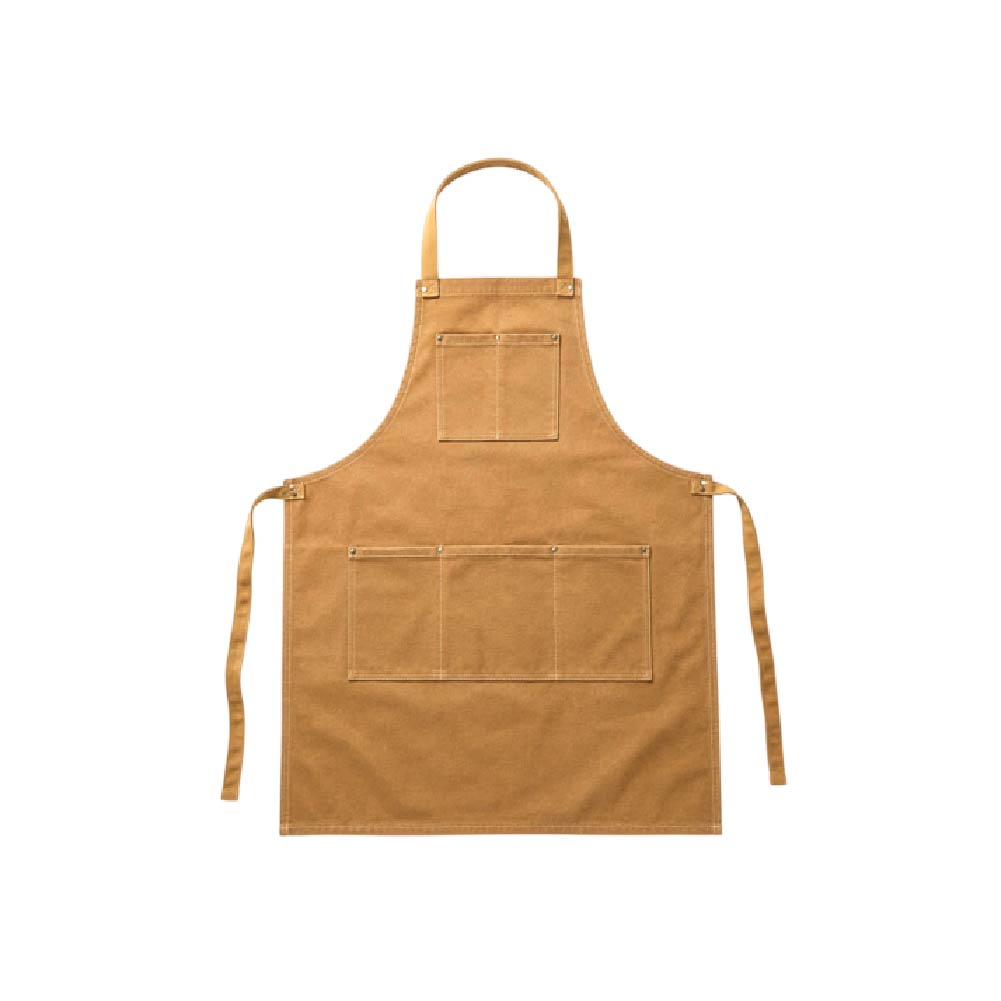
A canvas apron uses a heavy, tightly woven cotton fabric that stands up to rough handling without tearing. It sits between denim and leather in terms of ruggedness, tough enough for shop work but still breathable and washable.
- Common users: craftspeople, workshop staff, gardeners, woodworkers.
- Pros: heavy-duty durability, breathable compared to leather, easy to customize with prints or logos.
- Best for: workshops and craft studios that need a durable apron without the weight or cost of leather.
Disposable Apron

A disposable apron is designed for single use, then thrown away rather than washed and reused. This keeps hygiene consistent between tasks, which matters in settings where cross-contamination is a real risk.
- Common users: medical staff, food processing workers, lab technicians.
- Pros: consistent hygiene, no laundering required, low cost per unit at bulk order volumes.
- Best for: medical facilities, food processing plants, and any environment with strict sanitation requirements.
Smock Apron
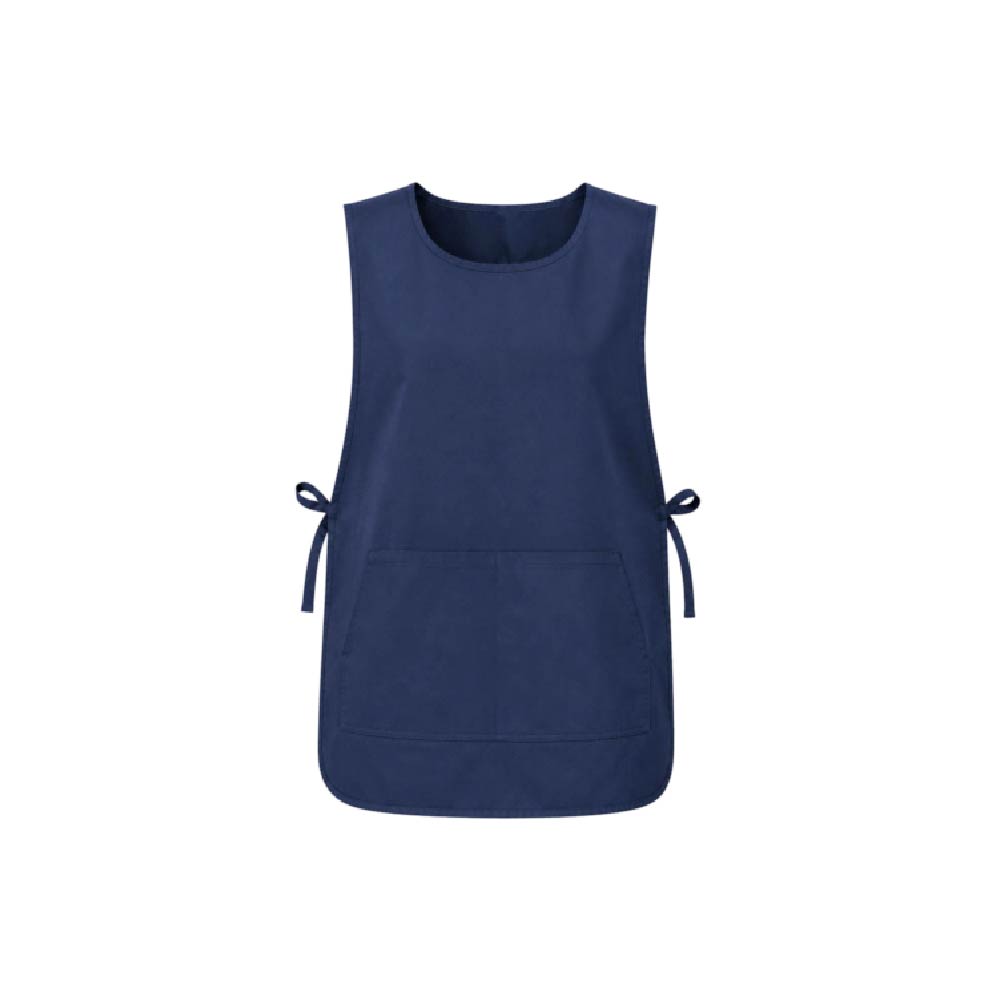
A smock apron uses a loose, oversized fit that slips over the head or buttons at the back, offering coverage without tying tightly at the waist. The relaxed fit makes it easy to move the arms freely during detailed work.
- Common users: florists, artists, teachers.
- Pros: loose, comfortable fit, easy to put on and remove, good coverage for messy or detailed tasks.
- Best for: art studios, flower shops, and classrooms where free arm movement matters.
Apron with Pockets
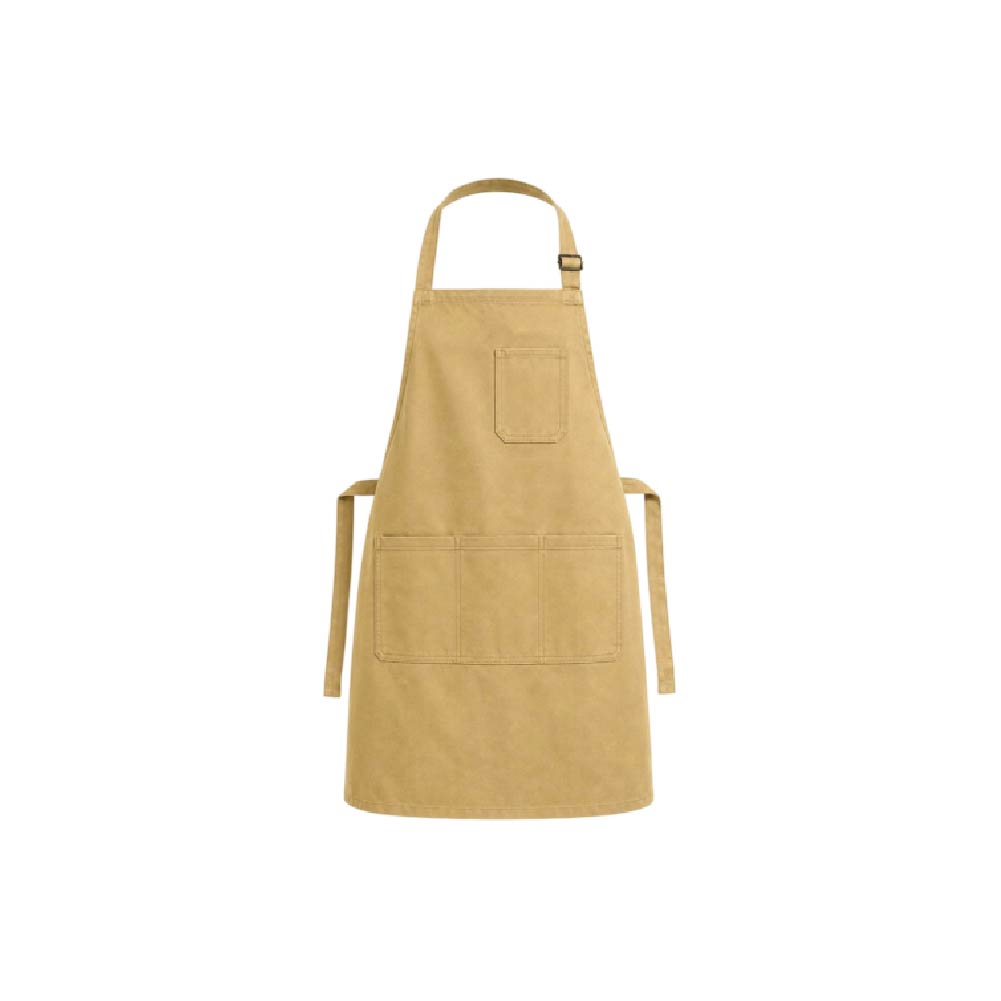
An apron with pockets adds one or more pouches to any of the styles above, turning the garment into a mobile storage system. Some versions include a single large front pocket, while others add several smaller pockets sized for pens, tools, or a phone.
- Common users: servers, bartenders, gardeners, tradespeople.
- Pros: keeps small tools and essentials within reach, reduces trips back to a station or bench.
- Best for: any job that requires quick access to small tools, order pads, or a phone throughout a shift.
Which Type of Apron Is Best?
There is no single best apron overall. The right choice depends on the setting, the tasks involved, and how long the apron needs to be worn at a stretch. Here is how the styles above line up against common use cases.
Home Cooking: A bib apron or pinafore apron works well here, since both give solid front-body coverage against splashes and spills without adding bulk.
Professional Restaurants: Chef aprons suit the kitchen, while waist aprons and bistro aprons suit the front of house, depending on the level of formality.
Cafés: Cross-back aprons and denim aprons are common, since both hold up to long shifts and fit the casual, branded look many cafés want.
Bakeries: Pinafore aprons and bib aprons give bakers the coverage they need against flour, batter, and hot trays.
Barbecue: Leather aprons and canvas aprons protect against heat, grease, and sparks better than lighter cotton styles.
Salons: Cobbler aprons and smock aprons give stylists freedom of movement while protecting clothing from dye and chemicals.
Workshops: Canvas aprons and leather aprons stand up to tools, sparks, and rough materials far better than lightweight fabrics.
Schools: Smock aprons and cobbler aprons suit art classes and science labs, where loose coverage matters more than heavy-duty protection.
Promotional Events: Bib aprons and waist aprons with pockets work well for staff, since both take custom printing easily and keep small items on hand.
Apron Materials Explained
The fabric behind an apron matters as much as its shape. Some materials favor comfort and easy care, while others exist purely for protection in demanding environments. The table below breaks down the most common apron materials.
| Material | Comfort | Durability | Washability |
Best Use |
| Cotton | High | Moderate | Easy to wash | Home kitchens, light café use |
| Cotton Blend | High | Good | Easy to wash | Restaurants, everyday uniforms |
| Poly-Cotton | Moderate | Good | Very easy to wash | High-turnover food service |
| Canvas | Moderate | Very high | Machine washable | Workshops, gardening, crafts |
| Denim | Moderate | High | Machine washable | Coffee shops, barbershops |
| Leather | Low to moderate | Very High | Wipe clean only | Welding, woodworking, blacksmithing |
| PVC | Low | High (wet use) | Wipe or rinse clean | Dishwashing, wet food prep |
| Vinyl | Low | High (wet use) | Wipe or rinse clean | Cleaning crews, wet environments |
| Waxed Canvas | Moderate | Very High | Spot clean recommended |
Outdoor work, water-resistant needs |
How to Choose the Right Apron
A handful of factors decide whether an apron actually works for the job it is bought for. Weighing each one before buying helps avoid a purchase that looks right but performs poorly.
- Coverage: Match the coverage area to the risk. A dish pit needs more coverage than a retail counter.
- Material: Choose a fabric that matches the environment, cotton for light kitchen work, leather or canvas for heat and sparks.
- Strap style: Neck straps suit stationary work, while cross-back straps suit long shifts that involve constant movement.
- Pocket requirements: Consider what needs to stay within reach: an order pad, tools, or a phone.
- Comfort: A heavier apron protects more but tires the wearer faster over a long shift.
- Cleaning: Waterproof and leather aprons need wiping rather than washing, which affects turnaround time for busy teams.
- Customization: Cotton, cotton blend, canvas, and denim take screen printing and embroidery well, which matters for branded uniforms.
- Work environment: Wet kitchens, dry workshops, and public-facing counters each call for a different balance of protection and appearance.
Buying Aprons in Bulk
Restaurants, schools, print shops, and uniform programs rarely need just one apron. Ordering in volume through wholesale aprons brings the per-unit cost down and keeps every staff member in a matching, consistent style.
Print shops and branding businesses often start with blank apparel and add logos or designs afterward, which gives full control over the final look without paying for custom manufacturing from scratch. This approach works well for restaurants building a uniform program, schools outfitting an art or culinary class, and businesses ordering aprons for staff or promotional giveaways.
For restaurants, hospitality groups, and promotional buyers who want a trusted, established option, Port Authority aprons offer a dependable choice, known for consistent construction and a range of styles suited to professional settings.
Available Available 

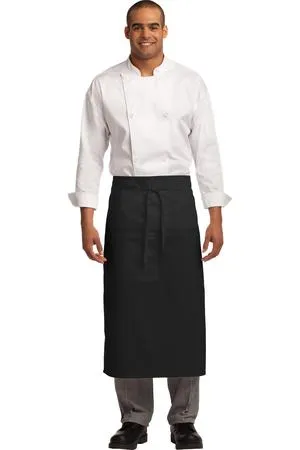
up to size
OS$11.98 $9.58 1 colors
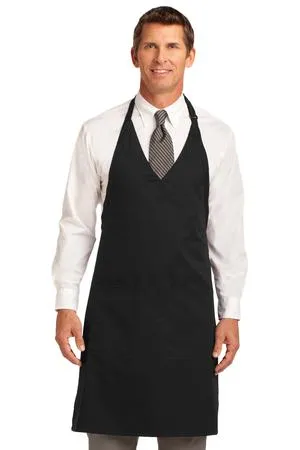
up to size
OS$13.92 $8.191 colors
Common Mistakes When Buying an Apron
A few recurring mistakes show up again and again when businesses and individuals shop for aprons. Avoiding them saves both money and frustration down the line.
- Choosing the wrong size: An apron that is too long or too short either drags on the floor or fails to cover enough of the body.
- Ignoring the fabric: A lightweight cotton apron will not hold up in a wet dish pit, just as a heavy PVC apron feels unnecessary at a retail counter.
- Skipping pockets: Staff who need quick access to tools or order pads will notice the lack of pockets within the first shift.
- Poor strap design: A single thin neck strap can dig in during long shifts, where cross-back straps would distribute the weight better.
- Buying for appearance only: A stylish apron that does not match the actual work environment ends up replaced within weeks.
- Not considering customization: Businesses that skip planning for logos or branding early often end up paying more to customize aprons later.
Frequently Asked Questions
Common styles include bib aprons, waist aprons, bistro aprons, cobbler aprons, cross-back aprons, pinafore aprons, chef aprons, dishwasher aprons, denim aprons, leather aprons, canvas aprons, disposable aprons, and smock aprons.
The best type depends on the setting. Chef aprons suit professional kitchens, cross-back aprons suit long café shifts, and leather aprons suit welding and woodworking.
Bib aprons, waist aprons, cross-back aprons, denim aprons, and canvas aprons all take screen printing and embroidery well, which makes them popular choices for branded, custom apparel programs.
A kitchen apron is most often a bib apron or a chef apron, both of which cover the chest and torso for protection against spills and heat.
A half apron is also known as a waist apron. It ties around the waist and covers the lower body only.
Cotton and cotton blends work well for general kitchen and café use, canvas and denim suit workshops and casual retail settings, and leather or PVC suit environments with heat, sparks, or heavy moisture.
A bistro apron is used mainly in fine dining and café settings, where its longer length gives extra coverage and a more polished, formal appearance than a standard waist apron.
An apron is a protective garment worn over clothing to guard against spills, stains, and heat. The word comes from the Old French naperon, meaning a small tablecloth.
Share this Media
Leave us a comment