
 +1-442-325-3923




 Live Chat








Your shopping cart is currently empty.
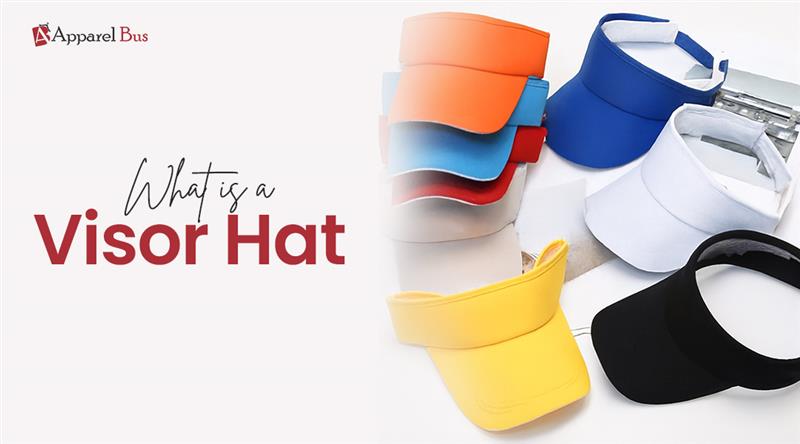
Table of Contents
- A Brief History and Evolution of the Visor Hats
- Types of Visor Hats
- Key Features of a Durable and Comfortable Visor
- Finding the Perfect Fit and Size
- How to Wear Visor Hats: A Style Guide
- Choosing the Right Visor
- Sun Protection and Health Benefits of Visors
- Style and Trends in the Visor World
- Customization and Branding for Businesses
- Care and Longevity: Keeping Your Visor in Top Shape
- Conclusion
Share this Media




Published on 25 Nov 2025

By Apparelbus
Everything You Need to Know About Visor Hats
Ever wondered how the simple visor hat remains a staple in sports, fashion, and everyday life? This functional accessory is more than just a brim; it’s a versatile piece of headwear that blends practicality with style. A visor hat, often called a sports visor or sun visor, is a crownless cap consisting of a brim and a strap that wraps around the head. It offers sun protection for the face while allowing heat to escape from the top of the head, making it a favorite for outdoor activities.
So, is a visor considered a hat? Technically, yes. While it lacks a full crown, it functions as headwear designed for protection and style. In this guide, we'll explore everything about visor caps, from their history and construction to modern styling tips and what makes them a smart choice for teams and businesses.
A Brief History and Evolution of the Visor Hats
The story of the visor hat starts with practicality. Although visors have been used on helmets and hats for hundreds of years, the separate visor cap we recognize today appeared much more recently. The visor hat wasn’t invented by one person. It developed over time as athletes looked for better headwear for sports. In the early 20th century, athletes, particularly tennis players, needed a way to block the sun without trapping heat. The crownless design was the perfect solution.
In 1928, William T. Jay patented an early version of an adjustable headshade or eyeshade, which became the foundation for the modern visor. However, it was its adoption in sports like golf, tennis, and beach volleyball in the following decades that cemented its place in popular culture. By the 1980s and 90s, the visor cap had transitioned from purely functional sportswear into a mainstream fashion accessory, embraced by everyone from professional athletes to casual beachgoers.
Types of Visor Hats
Not all visors are created equal. The choice between a visor and a cap often comes down to the specific activity and desired style. Here are the most common types:
- Sports Visors: These are the classic, athletic-style visors designed for performance. They often feature moisture-wicking fabrics and are popular in tennis, golf, and running.
- Golf and Tennis Visors: A subset of sports visors, these typically have a wider brim for maximum sun protection during long hours on the course or court.
- Fashion Visors: These prioritize style over pure function. They might feature unique materials like straw or transparent plastic, bold patterns, or designer logos.
- Clip-On Visors: Instead of a strap, these visors use a spring-loaded mechanism to clip onto the head. They are easy to put on and take off, but may offer a less secure fit.
- Wraparound Visors: These visors have an extra-wide, curved brim that provides more extensive facial coverage, wrapping around the sides of the face for added protection.
Deciding between a visor and a hat depends on your needs. A full hat offers scalp protection, while a visor provides superior ventilation.
Key Features of a Durable and Comfortable Visor
The quality of a visor lies in its construction. When shopping for hat sun visors or visor caps, pay attention to these key elements:
- Materials: Cotton is a popular choice for its breathability and soft feel. Polyester and nylon blends offer excellent durability and moisture-wicking properties, making them ideal for sports. You’ll also find visors made from straw, recycled fabrics, and other specialty materials.
- Stitching: Look for tight, even stitching along the seams and brim. Double-stitching is a sign of high quality and ensures the visor will hold up to wear and tear.
- Sweatband: A good sweatband is crucial for comfort, especially during physical activity. Look for soft, absorbent materials like terry cloth or performance fabrics that wick moisture away from your forehead.
- Brim: The brim should be sturdy enough to hold its shape but flexible enough to be comfortable. A pre-curved brim is standard, but some prefer a flat brim that they can shape themselves.
Finding the Perfect Fit and Size
A major advantage of the visor’s crownless design is its versatility. It accommodates various hairstyles, including high ponytails and buns, without the bunching that can happen with a full cap. Most visors feature adjustable closures to fit a wide range of head shapes and sizes. Common closure types include:
- Velcro Straps: Easy to adjust for a quick, custom fit.
- Plastic Snapbacks: Offer durable, incremental adjustments.
- Buckle Closures: Provide a secure fit with a classic, polished look.
- Stretch Bands: Some visors incorporate elastic sections for a snug yet flexible fit without needing manual adjustment.
How to Wear Visor Hats: A Style Guide
Knowing how to wear a visor hat can elevate any outfit. It's a versatile accessory that works with numerous styles. The key is to treat it as a functional finishing touch. Wondering what you wear with visors? Here are a few ideas.
- Athleisure: Pair a sleek, solid-colored sports visor with a matching activewear set, leggings, and your favorite sneakers. This look is perfect for running errands or a post-workout coffee.
- Casual Streetwear: Knowing how to wear a visor for men’s and women’s streetwear is simple. Combine a classic cotton twill visor with jeans, a graphic tee, and a bomber jacket for a relaxed, urban vibe.
- Beach and Poolside: A wide-brim or straw visor is a chic companion to a swimsuit, cover-up, and sandals. It provides essential sun protection while keeping you cool.
- Sports Uniforms: Visors are a practical component of many team uniforms, from softball to volleyball. They keep the sun and sweat out of players' eyes without causing overheating.
- Golf and Tennis Outfits: Complete your look on the course or court by matching your visor to your polo shirt or tennis skirt. A crisp white visor is a timeless choice.
Choosing the Right Visor
For sports teams and active individuals, choosing the right wholesale visors is about performance. Different activities call for different features.
- Running: A lightweight visor made from moisture-wicking polyester is ideal. The 510V Pacific Headwear Lite Series All-Sport Active Visor is a fantastic choice, designed for high-exertion activities where breathability is key.
- Golf and Tennis: Look for a comfortable fit and a substantial brim. The 8110 Flexfit 110 Comfort Fit Visor combines Flexfit technology with an adjustable back for a perfect fit that stays comfortable for 18 holes.
- Outdoor Work and Events: Durability is paramount. A sturdy cotton twill visor, like the BX006 Big Accessories Cotton Twill Visor, holds up to daily wear while providing reliable sun protection. For a budget-friendly but dependable option, the VC500 Valucap Bio-Washed Visor offers a soft, broken-in feel right from the start.
- Casual and Fashion Wear: When style is the priority, a piece like the CP45 Port & Company Fashion Visor offers a great silhouette in a wide range of colors, perfect for promotional events or casual staff uniforms.
Sun Protection and Health Benefits of Visors
So, why do people wear visors, and what are visor hats for? The primary reason is sun protection. A visor shields your face, particularly the sensitive skin around your eyes, nose, and cheeks, from direct UV radiation.
- UV/UPF Rating: Some high-performance visors come with an Ultraviolet Protection Factor (UPF) rating, which indicates how much UV radiation the fabric blocks.
- Brim Width: A wider brim offers more extensive coverage. For maximum protection, choose a brim that is at least three inches wide.
- Fabric Weave: A tighter fabric weave provides a better barrier against the sun's rays compared to more open-weave materials.
- Complementary Protection: Remember, a visor only protects the areas it covers. It's essential to apply sunscreen to your face, neck, and ears and wear UV-blocking sunglasses for complete protection.
Style and Trends in the Visor World
The visor has firmly established its place in modern fashion. Current trends see a return to both minimalist designs and bold, statement-making pieces. Neutral color palettes like beige, gray, and classic white are popular for their versatility. At the same time, vibrant colors and unique materials like tinted PVC and woven straw are appearing in streetwear and even luxury fashion collections. Designers are experimenting with logo placements, oversized brims, and premium fabrics, proving the visor's enduring appeal.
Customization and Branding for Businesses
For businesses, sports teams, and event organizers, custom visors are a powerful branding tool. They offer a practical and visible way to display a logo. When choosing custom visors, consider:
- Design Options: Will you use a simple logo or a more complex graphic? Ensure the design translates well to the visor's front panel.
- Logo Placement: The front and center of the visor is prime real estate for your logo. Some styles also allow for customization on the side or the strap.
- Embroidery vs Printing: Embroidery offers a classic, textured look with high durability. Screen printing or heat transfer is better for intricate, multi-color designs.
- Cost Factors: The price per unit will depend on the visor model, the complexity of your design, and the order quantity. Buying in bulk typically reduces the cost per item significantly.
Care and Longevity: Keeping Your Visor in Top Shape
To extend the life of your visor, proper care is essential. Always check the care label first.
- Washing: Most fabric visors can be hand-washed. Fill a sink with cool water and a small amount of mild detergent. Gently scrub the visor, paying extra attention to the sweatband. Rinse thoroughly and let it air dry. Avoid machine washing, as it can deform the brim.
- Storing: Store your visor on a flat surface or hang it to help it maintain its shape. Avoid crushing it under heavy items.
- Brim Repair: If the brim becomes bent, you may be able to reshape it by gently bending it back into place. For more severe damage, a new visor might be the best option.
Conclusion
From its practical origins in sports to its status as a fashion staple, the visor hat has proven its staying power. It offers an unbeatable combination of sun protection, ventilation, and style. Whether you’re an athlete looking for a performance edge, a business seeking a standout promotional item, or simply someone who needs a stylish way to stay cool, there is a visor out there for you.
Browse our extensive collection of Headwear Visors to discover styles that combine comfort, durability, and performance. From sporty designs to casual everyday options, there’s a visor to suit every need. For even more variety, check out our full range of Headwear Hats, offering versatile options for branding, team uniforms, or personal style. Shop now and equip your team with high-quality headwear that looks as good as it performs.
Frequently Asked Questions
Yes, a visor is a type of headwear, specifically a crownless hat designed to provide facial sun protection while offering maximum ventilation.
Poker players often wear visors (or sunglasses and hoods) to obscure their eyes. This prevents opponents from reading their facial expressions or seeing where they are looking, which is a key part of the game's strategy. The brim also helps reduce overhead glare from casino lighting.
Visors are primarily used to shield the face from the sun during outdoor activities like golf, tennis, running, and beach trips. They are also worn for fashion and as part of uniforms for teams and businesses.
Look for an adjustable closure that feels comfortable and secure. The crownless design accommodates most hairstyles, but you should ensure the band sits comfortably around your head without being too tight or too loose.
Share this Media
Leave us a comment