
 +1-442-325-3923




 Live Chat







Your shopping cart is currently empty.
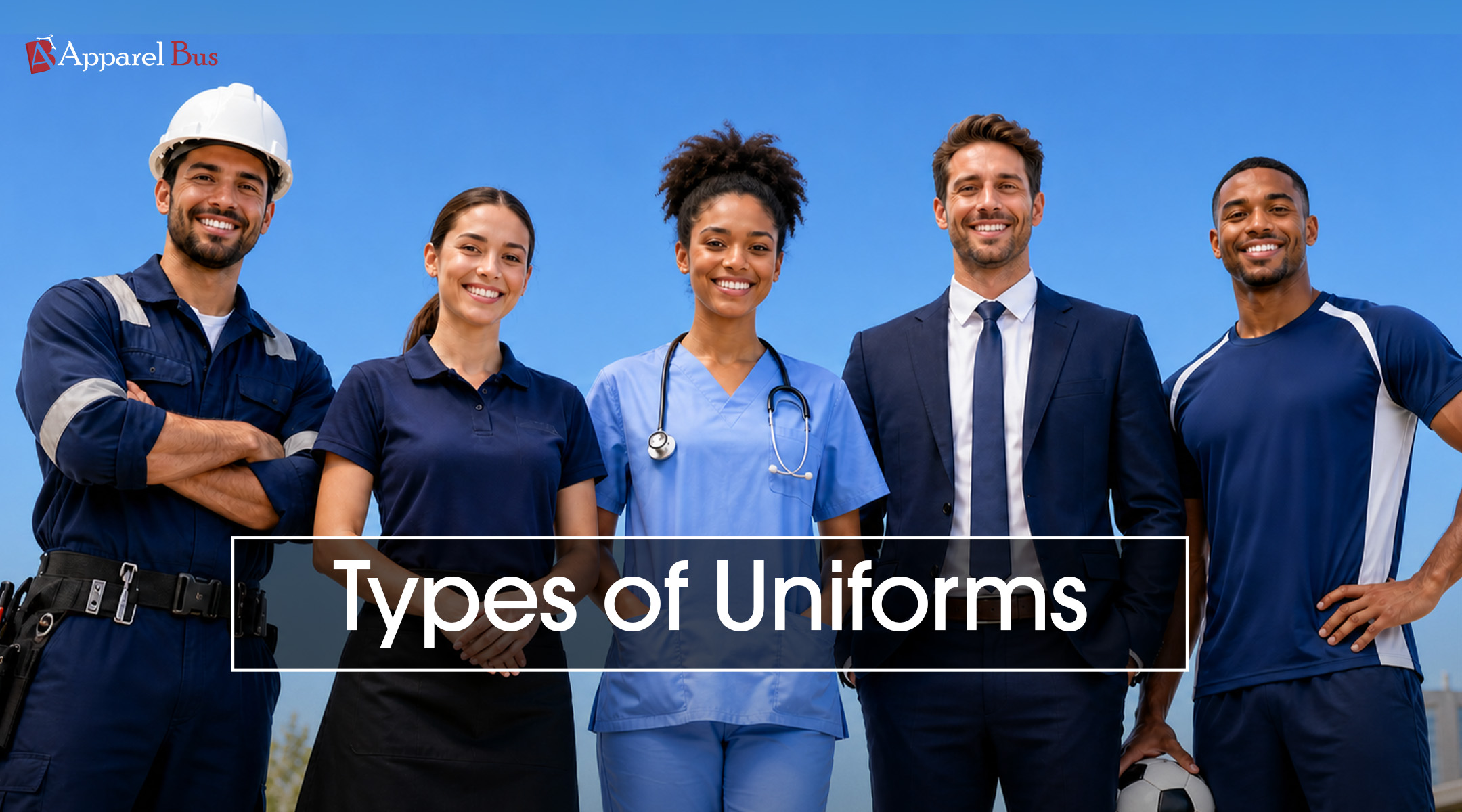
Table of Contents
- Complete Industry-by-Industry Uniform Breakdown
- 1. Corporate & Office Uniforms
- 2. Healthcare Uniforms
- 3 Hospitality & Food Service Uniforms
- 4. Retail & Customer Service Uniforms
- 5. Industrial & Trades Uniforms
- 6. Security & Law Enforcement Uniforms
- 7. Military & Aviation Uniforms
- 8. School & Educational Uniforms
- 9. Sports & Athletic Uniforms
- 10. Specialized & Emerging Uniform Categories
- How to Choose the Right Uniform
- Customization Methods
- The Latest Uniform Industry Trends for 2026
- How to Order Uniforms in Bulk
- Key Takeaways
Share this Media




Published on 05 May 2026

By Apparelbus
10 Types of Uniforms
Every day, millions of workers put on clothes that are not just fabric. They are a statement of role, safety, and professionalism. Yet choosing the wrong uniform for your team can hurt morale, reduce safety, and even damage your brand. The good news? The global workwear market has never offered more options, and understanding those options gives you a real competitive edge.
The broader global workwear market exceeded $69 billion in 2022, while the dedicated uniform market is projected to grow from approximately $41.8 billion in 2025 to $60.8 billion by 2033. That growth reflects a simple reality: purpose-built clothing is a permanent fixture of modern working life.
Uniforms are purpose-built garments engineered for specific roles and environments. Unlike off-the-rack clothing, they balance function, safety, and brand identity in a single garment.
Complete Industry-by-Industry Uniform Breakdown
1. Corporate & Office Uniforms
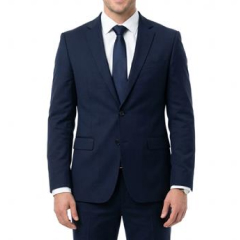
Corporate uniforms set the tone for how clients and colleagues perceive your brand. They range from sharp formal wear to relaxed everyday styles.
- Formal: Suits, blazers, dress shirts, ties, and tailored trousers remain the standard in finance, law, and executive environments.
- Business Casual: Branded polo shirts, chinos, khakis, and blouses offer a polished look without the rigidity of full formal wear.
- Corp Casual (2025-2026 trend): Relaxed suits with softer shoulders, wide-leg trousers, rounded-shoulder blazers, and warm neutral tones like caramel, oat, and stone are reshaping the modern office dress code.
- Functional Workwear: Maintenance, janitorial, and facilities staff in corporate settings wear durable, easy-care garments prioritizing mobility and stain resistance over formality.
2. Healthcare Uniforms
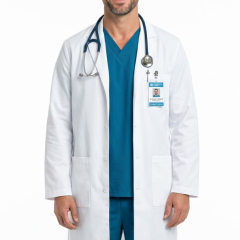
In healthcare, a uniform is more than a dress code. It is a safety tool. Hospital and clinic staff rely on garments that protect them and their patients while keeping them comfortable through long shifts.
- Scrubs: The most widely worn healthcare garment. Often color-coded by department: blue for surgery, green for nursing, and navy for administration. This helps staff and patients identify roles instantly.
- Lab Coats: Standard for physicians, pharmacists, and lab technicians. White coats signal clinical authority and provide a barrier layer.
- Surgical Gowns: Sterile, fluid-resistant gowns used in operating rooms and sterile environments.
Key fabric requirements include moisture-wicking properties to manage heat during physical work, antimicrobial treatment to reduce cross-contamination risk, and stretch fabrics that allow a full range of movement. Poly-cotton blends and performance polyester are the dominant materials.
3 Hospitality & Food Service Uniforms
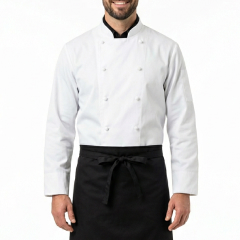
In restaurants, hotels, and catering, uniforms do double duty: they protect workers and communicate your brand to guests.
- Chef's Whites: The classic kitchen uniform: a double-breasted white jacket, black-and-white checkered trousers, and a toque (chef's hat). The double-breasted design allows the jacket to be reversed to hide stains.
- Waiter & Front-of-House Uniforms: Waistcoats, aprons, branded button-down shirts, and ties. Color and style reflect the restaurant's positioning.
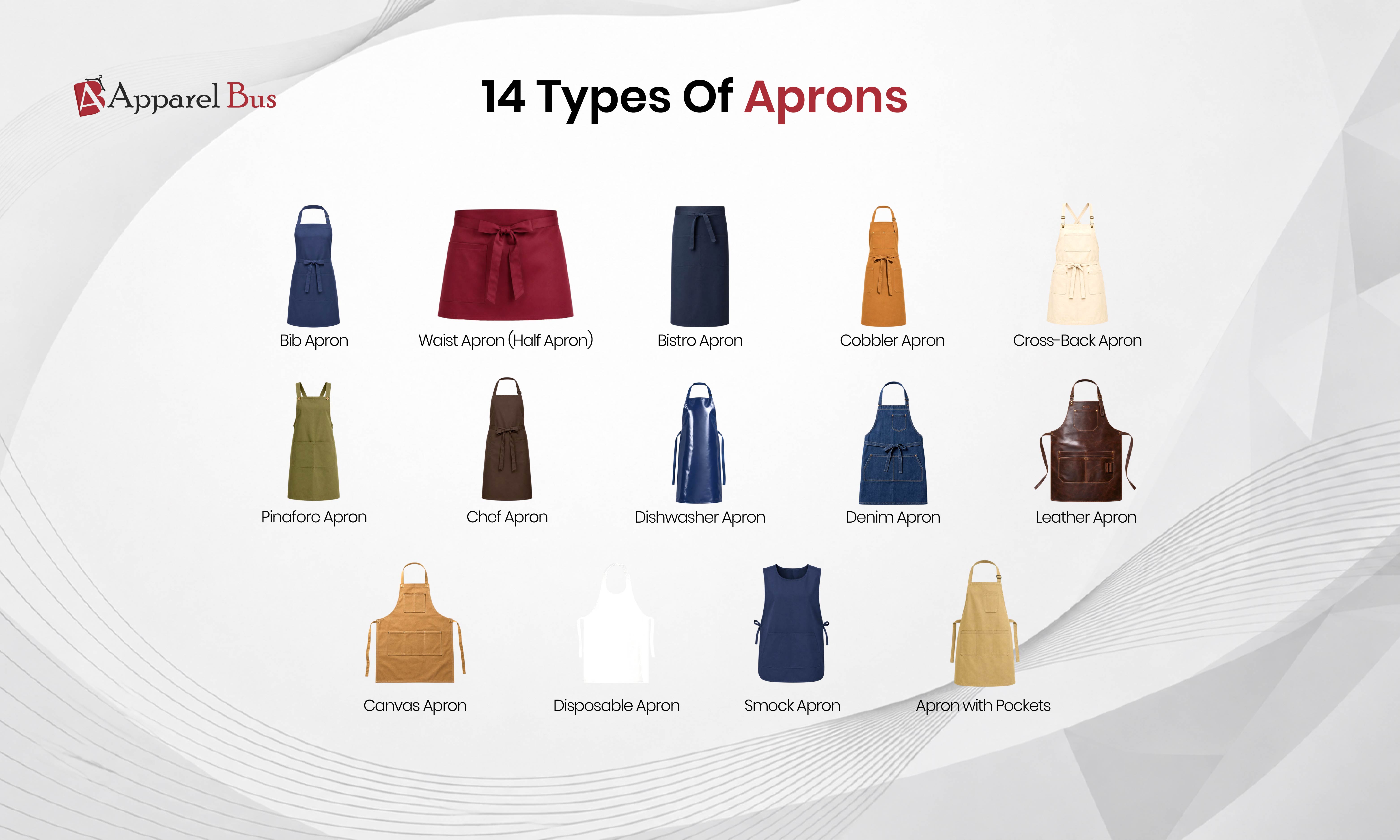
- Aprons: Bib aprons and half aprons offer practical protection and a professional look. Common in both kitchen and front-of-house roles.
- Branded Polos: Casual dining and fast-food environments typically use embroidered polo shirts in brand colors.
Key features to look for: stain-resistant fabrics, easy machine-wash care, and garments that hold their shape and color after frequent laundering. Visit our Chef's Wear and hospitality uniform collection for options built for the demands of professional kitchens.
4. Retail & Customer Service Uniforms
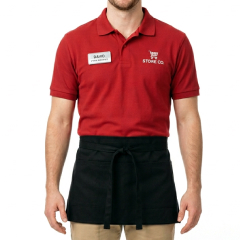
Retail uniforms build brand recognition on the shop floor and help customers identify staff quickly. The priority is consistent, comfortable, and on-brand styling.
- Branded polo shirts and t-shirts in company colors are the most common choice.
- Aprons and smocks add a layer of practicality for staff who handle products or work at service counters.
- Color-specific palettes reinforce brand identity. Think of the blue of a tech retailer or the red of a fast-food chain.
- Easy-care fabrics are essential because retail uniforms go through daily laundering.
5. Industrial & Trades Uniforms
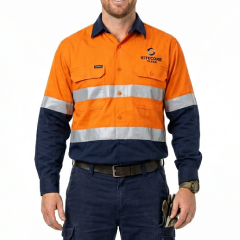
Industrial workwear is engineered for hazardous environments. Safety is the primary design driver, and appearance comes second.
- Coveralls: Full-body garments that protect clothing and skin from grease, chemicals, and debris.
- Hi-Vis Vests & Jackets: Mandatory on construction sites, road works, and warehouses. Bright fluorescent colors with reflective tape meet safety regulations.
- Flame-Resistant (FR) Clothing: Required in oil and gas, electrical, and welding environments. FR fabrics self-extinguish when the heat source is removed.
- Steel-Toed Boots & Hard Hats: Personal protective equipment (PPE) paired with workwear to create a full safety system.
Material focus: Ripstop fabric delivers exceptional tear resistance while staying lightweight, making it ideal for search-and-rescue and field work. Heavy canvas provides maximum durability for high-abrasion roles like construction and plumbing.
6. Security & Law Enforcement Uniforms
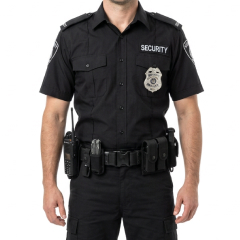
Security and law enforcement uniforms carry authority. Their design communicates both professionalism and command.
- Battle Dress Uniform (BDU): Standard tactical wear for security and paramilitary roles. Features multiple pockets, durable ripstop fabric, and camouflage or solid dark colorways.
- Duty Belts: Load-bearing belts carry equipment including radios, handcuffs, and tactical gear.
- Bulletproof Vests: Worn over or under shirts by law enforcement, providing ballistic protection.
- Epaulettes & Badges: Security badges mounted on epaulettes signal rank and authority and are a standard element of professional security attire.
7. Military & Aviation Uniforms
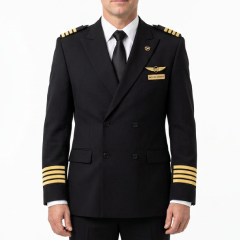
These uniforms carry some of the strongest traditions and the most rigorous design standards of any category.
- Military Uniforms: Divided into service uniforms (everyday duty wear), combat uniforms (field operations), and dress uniforms (ceremonies and formal occasions). Rank insignia, branch patches, and unit designations are integral to the design.
- Pilot Uniforms: Commercial pilots wear navy or black tailored suits with captain's bars (gold stripes on epaulettes) denoting rank: one stripe for junior officers, four for captains.
- Flight Attendant Uniforms: Brand-forward tailored suits or dresses, often updated as part of airline rebranding. Airlines use uniforms as a key element of their visual identity.
- Conductor & Rail Uniforms: Structured jackets, matching trousers, and peaked caps maintain a professional image in rail and transit.
8. School & Educational Uniforms
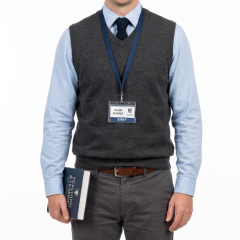
School uniforms promote equality, reduce peer pressure around clothing choices, and build a sense of community and school identity.
- Polo shirts and button-down shirts in school colors are the most common upper garments.
- Trousers, skirts, and pinafores in specific colors complete the standard look.
- Fabrics prioritize durability and easy care because parents wash these garments daily.
- Consistent sizing across suppliers ensures parents can source replacements easily.
The design philosophy for school uniforms is simple: durable, washable, affordable, and consistent.
9. Sports & Athletic Uniforms
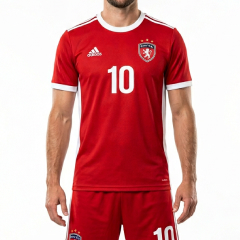
Sports uniforms are engineered for performance first, with team identity built into the design.
- Team Jerseys: Lightweight, moisture-wicking polyester jerseys display team colors, numbers, and sponsor logos.
- Tracksuits: Warm-up and training wear with stretch fabrics for a full range of motion.
- Protective Gear: Sport-specific equipment, such as shoulder pads, shin guards, and helmets, integrates with uniform design for safety and aerodynamics.
Performance fabrics with four-way stretch and moisture management are standard. Sublimation printing is the preferred customization method for sports jerseys because it does not add weight or restrict movement.
10. Specialized & Emerging Uniform Categories
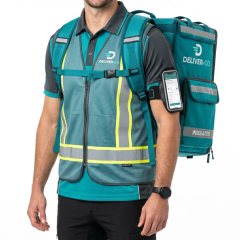
Some uniform types do not fit neatly into the categories above but serve important roles across industries.
- Prison Uniforms: Traditionally orange jumpsuits, though many facilities have shifted to scrub-style garments in solid colors or subtle stripes to reduce stigma and improve comfort.
- Spa & Salon Uniforms: Soft, approachable tunics and trousers in neutral tones that signal cleanliness and calm.
- Housekeeping Wear: Durable, easy-care garments with practical pockets for hotel, hospital, and facility cleaning staff.
- Aviation Ground Crew: Hi-vis vests and durable workwear designed for outdoor, high-traffic airfield environments.
How to Choose the Right Uniform
Most guides tell you what uniforms exist. This section tells you how to pick the right one for your team.
Fabric Selection Guide
Fabric is the single most important decision in uniform procurement. The right fabric reduces replacement costs, improves worker comfort, and maintains a professional appearance. Here is a quick-reference comparison:
|
Fabric |
Best For |
Key Pros |
Key Cons |
|
Cotton |
School, office, summer wear |
Breathable, hypoallergenic, soft |
Wrinkles, shrinks, less durable |
|
Polyester |
Medical scrubs, sportswear, outdoor wear |
Durable, wrinkle-resistant, quick-drying |
Less breathable, retains odors |
|
Poly-Cotton Blend |
Corporate, hospitality, industrial |
Balanced durability + breathability, cost-effective |
Less soft than pure cotton |
|
Nylon |
Military, tactical, rainwear |
Strong, lightweight, weather-resistant |
Less breathable, melts under high heat |
|
Ripstop |
Military, search & rescue, outdoor |
Exceptional tear resistance, lightweight |
Stiff, higher cost |
|
Canvas |
Heavy-duty industrial |
Maximum durability |
Heavy, less breathable |
Customization Methods
Branding your uniforms builds team identity and reinforces your brand with every customer interaction. Here is how the major methods compare:
|
Method |
Best For |
Durability |
Cost |
Key Limitation |
|
Embroidery |
Corporate logos, employee names |
Excellent (won't fade) |
High |
Can stiffen fabric |
|
Screen Printing |
Bold designs, bulk cotton orders |
Good |
Low–Medium |
Limited color gradient |
|
Sublimation |
All-over prints, sportswear |
Excellent (becomes part of the fabric) |
Medium |
Polyester only |
|
Heat Transfer (HTV) |
Small batches, names/numbers |
Fair |
Low |
Can peel over time |
The Latest Uniform Industry Trends for 2026
The uniform industry is in the middle of a significant shift. These are the trends shaping purchasing decisions right now.
Sustainability
Demand for organic cotton, recycled polyester (rPET), and bamboo fiber uniforms has grown steadily. Several major suppliers now offer take-back recycling programs where worn uniforms are returned, processed, and turned into new fabric, closing the loop on textile waste.
The Corp Casual Movement
Formal business wear is softening. Relaxed-fit suits, wide-leg trousers, and rounded-shoulder blazers in warm neutral tones like caramel, oat, taupe, and stone define the corporate aesthetic for 2025 and 2026. The goal is professional without being restrictive.
Smart & Technical Uniforms
Moisture-wicking and stain-resistant finishes have become baseline expectations. The next frontier is health-monitoring fabrics. These are garments embedded with sensors that track temperature, heart rate, and movement for workers in high-risk environments. These are still emerging but are gaining traction in healthcare and industrial sectors.
Gender-Neutral Design
Inclusive workwear is moving from trend to standard. Linen-blend shirts, recycled polyester blazers, and unisex cut trousers give employers garments that work across genders without the need for separate collections, which reduces inventory complexity and promotes equality.
How to Order Uniforms in Bulk
Bulk uniform procurement sounds straightforward, but most organizations make at least one costly mistake on their first large order. Here is how to get it right.
Step 1: Define Your Requirements
List every role that needs a uniform and the specific garments each role requires.
Account for seasonal variation. Use summer-weight fabrics for warm climates, and layering options for colder months.
Document your branding requirements: logo placement, colorway, and customization method.
Set a per-head budget and multiply by your team size to establish a total budget before approaching suppliers.
Step 2: Avoid These Common Mistakes
Mismatched color batches: Never split an order across multiple dye runs. Consolidate all garments of the same color into a single order to ensure dye-lot consistency.
Underestimating fit: Always use a size measurement guide and order a sample set for staff to try before committing to the full run.
Over-decorating: Avoid placing logos on stress points like shoulders, collar edges, or sleeve cuffs because decoration in high-flex areas peels, cracks, or tears faster.
Ignoring reorder lead times: Most bulk uniform orders have 4–8 week lead times. Factor this into your planning for new hire onboarding or seasonal changes.
Step 3: Choose the Right Supplier
For bulk uniform orders across all industries, Apparelbus is a trusted wholesale destination. You can:
Browse the full catalogue and place bulk uniform orders across every category.
Find professional chef wear and hospitality uniforms designed for the demands of commercial kitchens.
Explore the Edwards Garment collection for corporate, hospitality, and service uniforms built for long-term wear.
Step 4: Plan for Reorders
Maintain an inventory record showing garment type, size, quantity issued, issue date, and expected replacement date.
Track garment lifespan by role since high-activity roles wear through garments faster than desk-based staff.
Set a reorder trigger point (e.g., when stock drops to 20% of starting inventory) to avoid delays.
Key Takeaways
Choosing the right uniform is not just a purchasing decision. It is a strategic one. Keep these principles in mind:
- Match the garment type to the industry and the function. A scrub is not a corporate polo, and a coverall is not a chef's jacket.
- Fabric performance matters. Moisture-wicking, antimicrobial, ripstop, and FR. Each property exists because a real working environment demands it.
- Branding adds value, but only when applied with the right method for the fabric and the garment's use pattern.
- Bulk ordering requires planning. Dye-lot control, size guides, lead times, and reorder systems prevent costly surprises.
- Sustainability, corporate casual styling, and gender-neutral design are not passing trends. They are reshaping what buyers expect from the uniform market in 2025 and beyond.
The right uniform balances industry requirements, fabric performance, branding needs, and budget. Get those four elements aligned, and your team will look professional, work comfortably, and represent your brand with every interaction.
Frequently Asked Questions
Uniforms are classified by industry (corporate, healthcare, hospitality, security, etc.), by function (safety, professional, sports performance), by formality level, and by garment type, such as coveralls, scrubs, blazers, or jerseys. The right classification for your needs depends on the working environment and the specific demands of the role.
The most common workplace uniforms are corporate polo shirts and blazers, healthcare scrubs, hospitality attire including chef whites and waistcoats, retail-branded polos and aprons, and industrial coveralls and hi-vis vests.
Work uniforms are engineered for durability, safety, and easy laundering. They are built to perform in demanding environments. Professional attire, such as business formal wear, focuses primarily on appearance and social signals rather than functional performance
School uniforms prioritize durability, easy care, and visual equality among students. Sports uniforms are engineered for physical performance. They emphasize moisture-wicking fabrics, four-way stretch, and team identity through color and number placement.
Scrubs, lab coats, and surgical gowns are the standard. The best fabrics are moisture-wicking antimicrobial polyester or poly-cotton blends. Healthcare uniforms are often color-coded by department to help patients and staff identify roles quickly.
Yes. ApparelBus offers bulk orders with embroidery, screen printing, sublimation, or heat transfer branding.
Share this Media
Leave us a comment