
 +1-442-325-3923


 Live Chat







Your shopping cart is currently empty.
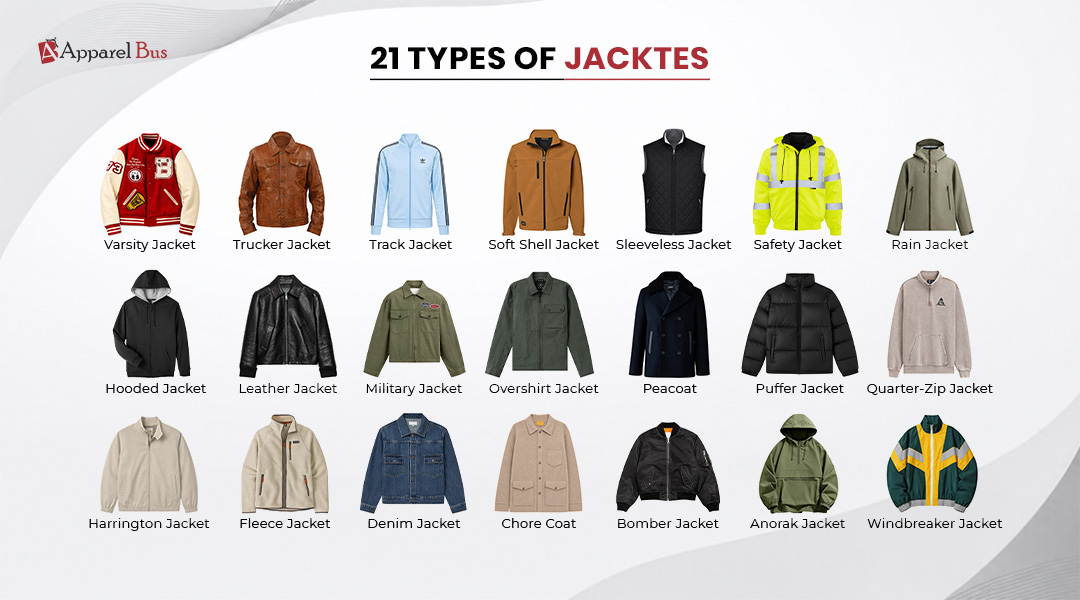
Table of Contents
- Types of Jackets at a Glance
- Classic and Everyday Jacket Styles
- Weather-Protective Jacket Styles
- Sport and Active Jacket Styles
- Fleece and Insulated Jacket Styles
- Workwear and Heritage Jacket Styles
- Specialty and Workwear Jacket Styles
- Jacket Types by Weather Condition
- How to Choose the Right Jacket Style
Share this Media




Published on 18 May 2026

By Apparelbus
21 Types of Jackets (2026 Complete Guide)
A jacket is one of the most functional and defining pieces in any wardrobe. It does more than protect from the weather; it shapes how an outfit looks, performs, and adapts across changing seasons. From lightweight transitional layers to heavy winter insulation, jackets serve both practical and stylistic purposes year-round.
Over time, jackets have evolved into dozens of distinct styles, each designed for a specific use, climate, or culture. Bomber, denim, puffer, varsity, and technical shells all serve different needs, and understanding these differences helps you choose the right one instead of just following trends.
Let’s break down the most popular types of jackets with key features, best uses, and who they are best for.
Types of Jackets at a Glance
|
Jacket Type |
Best For |
Season |
Fabric |
|
Leather Jacket |
Casual, going out, biker style |
Spring, Fall, Winter |
Genuine or faux leather (cowhide, lambskin, PU‑leather) |
|
Bomber Jacket |
Casual everyday wear |
Spring, Fall |
Nylon, polyester, or satin (sometimes leather or leather‑look) |
|
Denim Jacket |
Casual layering |
Spring, Fall |
Cotton denim (light to mid‑weight) |
|
Varsity Jacket |
Collegiate, casual style |
Spring, Fall |
Wool body, leather or synthetic sleeves, ribbed cuffs |
|
Trucker Jacket |
Casual, everyday layering |
Spring, Fall |
Cotton denim, corduroy, or cotton twill |
|
Peacoat |
Smart casual, semi‑formal |
Fall, Winter |
Wool or wool‑blend |
|
Puffer Jacket |
Cold weather, outdoor use |
Winter |
Nylon or polyester shell with down or synthetic insulation |
|
Windbreaker |
Outdoor activity, sport |
Spring, Fall |
Lightweight nylon or polyester (water‑resistant) |
|
Rain Jacket |
Wet weather protection |
Spring, Rainy season |
Waterproof nylon or polyester with PU or TPU membrane |
|
Soft Shell Jacket |
Active outdoor use |
Fall, Winter |
Polyester‑elastane blend with soft, stretchy outer shell |
|
Anorak Jacket |
Outdoor, hiking, sport |
Spring, Fall, Winter |
Nylon or polyester (often water‑resistant or waterproof) |
|
Track Jacket |
Sport, gym, streetwear |
All seasons |
Lightweight polyester or poly‑cotton athletic fabric |
|
Quarter‑Zip Jacket |
Layering, casual sport |
Fall, Winter |
Fleece or moisture‑wicking polyester |
|
Fleece Jacket |
Warmth, layering |
Fall, Winter |
Polyester fleece |
|
Hooded Jacket |
Casual, weather protection |
All seasons |
Cotton, polyester, or fleece (or blend) |
|
Military Jacket |
Casual, streetwear |
Spring, Fall |
Cotton canvas, ripstop nylon, or cotton‑polyester |
|
Overshirt Jacket |
Smart casual, layering |
Spring, Fall |
Flannel, twill, denim, or heavy cotton |
|
Harrington Jacket |
Casual, preppy style |
Spring, Fall |
Cotton, cotton‑polyester, or nylon with tartan lining |
|
Work Jacket / Chore Coat |
Workwear, casual |
Spring, Fall |
Canvas, waxed cotton, or denim |
|
Vest / Sleeveless Jacket |
Layering, outdoor work |
Spring, Fall |
Denim, quilted fabric, fleece, or knit |
|
Safety Jacket |
High‑visibility work environments |
All seasons |
Polyester with reflective tape, high‑visibility colors |
Classic and Everyday Jacket Styles
These are the jacket types most people reach for on a daily basis. They work for casual outings, social events, and general everyday use.
1- Leather Jacket
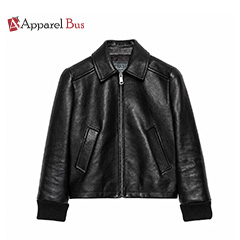
Best for: Casual wear, going out, biker look | Men and Women
The leather jacket is probably the most iconic piece of outerwear of the last hundred years. It features a fitted silhouette, durable leather or faux-leather material, and typically comes with zip pockets and a front zipper or button closure. Most leather jackets sit at the hip, making them easy to pair with jeans, trousers, or dresses.
Marlon Brando's role in The Wild One (1953) made the black leather motorcycle jacket a cultural icon. Decades later, it still carries that same edge. Arnold Schwarzenegger wore a leather jacket as the Terminator, which reinforced its tough, no-nonsense image in pop culture.
Leather jackets come in several cuts. Moto jackets feature an asymmetric zipper and a stand collar. Classic biker cuts have a more structured, boxy shape. Bomber-style leather jackets combine the flight jacket silhouette with leather material. For a polished casual look, try a brown leather jacket over a white shirt with chinos.
2- Bomber Jacket
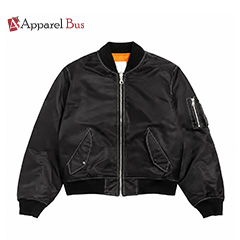
Best for: Casual everyday wear | Men and Women
The bomber jacket, also called a flight jacket or MA-1 jacket, originated as military outerwear for pilots. It features a short waist-length cut, ribbed cuffs and hem, a front zip, and a slightly boxy fit. The original military bombers came in olive green or brown, but today they come in every color and fabric imaginable.
The bomber became a fashion staple through the 1980s and 1990s streetwear scene. It pairs effortlessly with jeans and sneakers for a clean, casual look. Varsity-style bombers made from satin or nylon are especially popular right now.
3- Denim Jacket
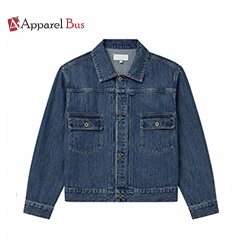
Best for: Casual layering, everyday wear | Men and Women
The denim jacket is a true wardrobe classic. Levi Strauss originally designed it as rugged workwear in the late 1800s, but it crossed into mainstream fashion by the mid-20th century. Today, it works as a lightweight outer layer over T-shirts, hoodies, or dresses.
The fit can be slim, oversized, or cropped depending on the style. A standard blue denim jacket pairs with almost anything. It works across seasons as a transitional layer in spring and fall.
4- Varsity Jacket
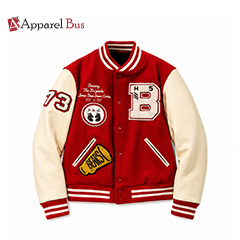
Best for: Casual, collegiate style | Men and Women
The varsity jacket, also called a letterman jacket, originated in American high school and college athletics in the early 20th century. Athletes earned them as awards for representing their school teams. The classic design features a wool body, leather sleeves, ribbed cuffs and collar, and embroidered patches or letters on the chest.
Today, varsity jackets sit firmly in streetwear and pop culture fashion. They work well as statement pieces when paired with simple basics underneath.
5- Trucker Jacket
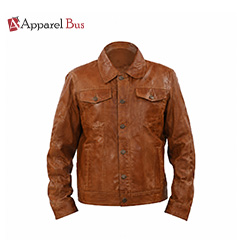
Best for: Casual everyday wear, smart casual layering | Men and Women
The trucker jacket is sometimes confused with the denim jacket, but it has a distinct identity. It features a shorter, more structured cut with a button front, chest pockets, and a waistband that sits at the hip. While trucker jackets often come in denim, you can also find them in corduroy, canvas, and cotton twill.
This jacket works as an everyday casual layer with jeans or chinos. It has a slightly more polished look than a basic denim jacket, which makes it a good option when you want something between fully casual and smart casual.
6- Peacoat
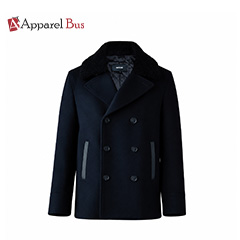
Best for: Smart casual, semi-formal, cold weather | Men and Women
The peacoat is a classic double-breasted coat with a short body, wide lapels, and large buttons. It originates from the European naval uniform tradition, where sailors wore heavy wool coats to stay warm at sea. The word 'pea' likely comes from the Dutch word 'pij,' referring to the coarse wool fabric used in the original coats.
Today, a peacoat sits right between a casual jacket and a formal overcoat. It works well for office wear, dinner outings, and city commutes in cold weather. Wool peacoats in navy or charcoal gray are the most versatile options.
7- Harrington Jacket
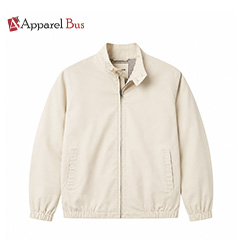
Best for: Casual everyday wear, preppy and mod style | Men and Women
The Harrington jacket is a lightweight, waist-length jacket with a zip front, raglan sleeves, a stand-up collar, and a distinctive tartan lining. It has its roots in British sportswear from the 1930s.
The jacket got its popular name from the character Rodney Harrington in the TV series Peyton Place, who wore one frequently. Elvis Presley and Steve McQueen also wore Harrington jackets, which helped cement the style's cool image in the 1950s and 1960s.
It sits comfortably between a bomber and a basic zip-up. For a clean casual look, pair a navy or olive Harrington with slim chinos and a plain T-shirt.
Weather-Protective Jacket Styles
These jackets prioritize keeping you dry, warm, or shielded from the elements. Function leads the way here, but many of these styles have strong aesthetic appeal, too.
8- Puffer Jacket
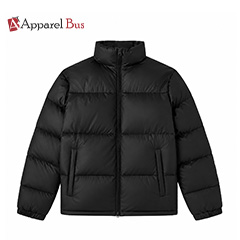
Best for: Cold weather, outdoor activity | Men and Women
The puffer jacket, also called a quilted jacket or down jacket, provides serious insulation for cold weather. It gets filled with either real down feathers or synthetic insulation, then stitched into quilted channels to keep the filling evenly distributed. The result is a jacket that traps body heat very well without adding significant weight.
Puffer jackets come in short hip-length and long knee-length versions. For extremely cold climates, a long puffer gives better coverage. For everyday city wear, a short puffer works well as a lightweight cold-weather layer.
One important distinction: Down-filled jackets offer a higher warmth-to-weight ratio, but they lose their insulating ability when wet. Synthetic-filled puffers retain warmth even in damp conditions, which makes them more practical in wet climates.
9- Windbreaker Jacket
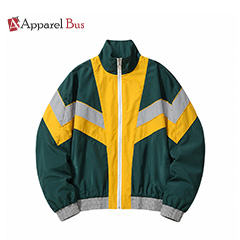
Best for: Outdoor activity, sport, light weather protection | Men and Women
A windbreaker is a lightweight, wind-resistant jacket made from thin nylon or polyester. It blocks wind and light rain but does not offer significant warmth on its own. Most windbreakers pack down into a small pouch, making them highly portable.
They work well for hiking, running, cycling, or any outdoor activity where you need weather protection without bulk. Windbreakers come in full-zip and pullover anorak styles. Bright colors and bold prints make windbreakers especially popular in streetwear right now.
10- Anorak Jacket
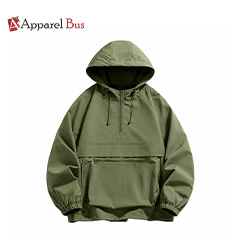
Best for: Outdoor use, hiking, harsh weather | Men and Women
The anorak is a pullover jacket with no front zip. Instead, it typically has a half-zip or button placket at the neckline. The design comes from the Inuit people of the Arctic, who originally made anoraks from animal skins to survive freezing temperatures. The word 'anorak' itself comes from the Greenlandic Inuit language.
Modern anoraks come in waterproof, wind-resistant, or insulated versions. Because you pull them over your head, they seal out wind more effectively around the torso than a zip-up jacket. They work well for hiking, skiing, and any outdoor activity in cold or wet conditions. Casual nylon anoraks have also become popular in streetwear as a relaxed, boxy outerwear option.
11- Rain Jacket
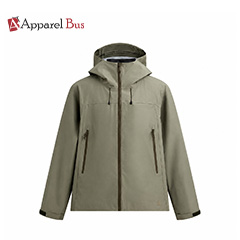
Best for: Wet weather protection | Men and Women
A rain jacket provides full waterproof protection. Rain jackets use sealed seams and waterproof membranes to keep water completely out. Many rain jackets also feature taped seams, adjustable hoods, and pit zips for ventilation.
The difference between a windbreaker and a rain jacket is simple. A windbreaker is water-resistant, meaning it repels light rain for a short time. A rain jacket is waterproof, meaning it keeps you dry in sustained, heavy rain.
Rain jackets range from lightweight packable styles to heavy-duty outdoor shells. For city use in wet seasons, a mid-weight rain jacket in a neutral color works well as an everyday outer layer.
12- Soft Shell Jacket
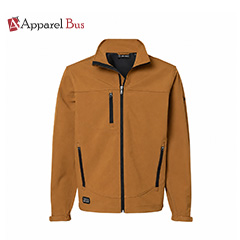
Best for: Active outdoor use, hiking, sport | Men and Women
Soft shell jackets combine stretch, breathability, and moderate weather resistance. They use a flexible outer fabric, usually a blend of polyester and elastane, that moves with your body. Soft shells resist light wind and moisture but do not provide full waterproof protection.
Where hard shell rain jackets prioritize full weather protection, soft shells prioritize comfort and movement. They work best for high-activity outdoor use like trail running, climbing, or warm-up laps on the ski slope, where you need to move freely and breathe well.
Sport and Active Jacket Styles
13- Track Jacket
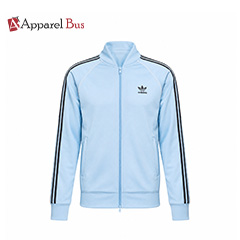
Best for: Sport, gym, streetwear | Men and Women
The track jacket has its roots in athletics. Sports brands like Adidas popularized the zip-up track jacket in the 1970s and 1980s as part of team warm-up suits. The classic design features a full-length zipper, stripe detailing on the sleeves, and a lightweight athletic fabric.
Track jackets crossed from sport into streetwear culture through the 1990s and have never left. They pair naturally with joggers or track pants for a coordinated look, or with jeans for a casual everyday outfit. The Run-DMC era helped cement the track jacket as a streetwear essential in hip-hop culture.
14- Quarter-Zip Jacket
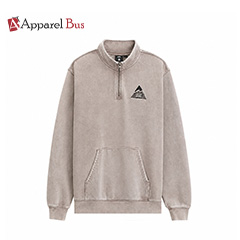
Best for: Layering, casual sport, cold-weather warmth | Men and Women
A quarter-zip jacket is a pullover top with a short zipper at the neckline, typically about one-quarter the length of a full-front zip. This design lets you adjust ventilation without removing the jacket entirely. Quarter-zips usually come in fleece or moisture-wicking athletic fabric.
They work well as a mid-layer over a base layer and under a heavier outer jacket. For casual use, a quarter-zip fleece over a T-shirt is a clean, simple look for cooler days.
Fleece and Insulated Jacket Styles
15- Fleece Jacket
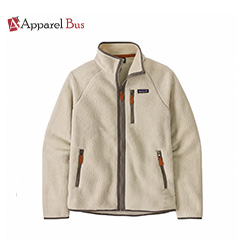
Best for: Warmth, casual layering | Men and Women
Fleece is a synthetic fabric made from polyester that mimics the insulating properties of natural wool, but at a fraction of the weight and cost. A fleece jacket feels soft against the skin, breathes reasonably well, and dries quickly when wet.
Fleece jackets work best as a mid-layer in colder conditions. Wear one under a waterproof shell when hiking or skiing, or wear it as a standalone jacket in mild cold. They come in full-zip, half-zip, and pullover styles.
16- Hooded Jacket
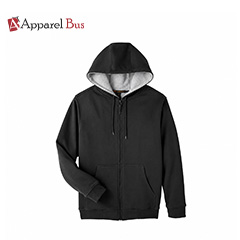
Best for: Casual everyday wear, light weather | Men and Women
A hooded jacket is any jacket that includes a built-in hood. While many other jacket types (puffers, rain jackets, soft shells) can come with hoods, the hooded jacket, as its own style, refers to a lightweight casual zip-up with a hood. Think of it as a hoodie with more structure and a cleaner exterior.
Hooded jackets work well for casual daily wear, commuting, or light outdoor use. They bridge the gap between a hoodie and a full outer jacket.
Workwear and Heritage Jacket Styles
This category covers jackets that come from working-class or utilitarian traditions but have since crossed into mainstream everyday fashion.
17- Military Jacket
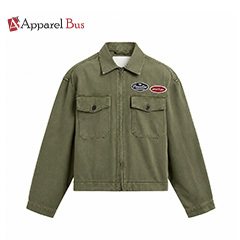
Best for: Casual wear, streetwear, layering | Men and Women
The military jacket covers a broad family of outerwear styles that trace their origins to armed forces uniforms. The field jacket (also called the M-65 or M-51 in the U.S. military) features a four-pocket design, button-up front, and a classic olive drab or khaki color. The parka, the combat jacket, and the flight jacket all fall under this umbrella.
Military jackets became popular in civilian fashion during the 1960s and 1970s counterculture movement, when surplus military clothing became widely available and adopted as a symbol of anti-establishment style. Today, military-inspired jackets appear in countless fashion collections. They pair well with simple jeans, cargo pants, or chinos and work as a strong casual layer in spring and fall.
18- Work Jacket / Chore Coat
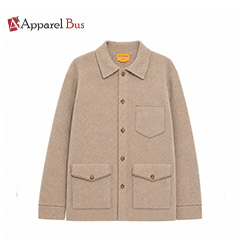
Best for: Workwear, casual wear, layering | Men and Women
The chore coat, also called a work jacket, comes from European workwear tradition. French farmworkers and craftsmen wore simple, boxy canvas or denim coats to protect their clothing on the job. The classic chore coat features a collarless or small stand collar design, a button-up front, chest pockets, and a relaxed boxy fit.
In recent years, the chore coat has moved strongly into casual and smart casual fashion. It works as a lightweight outer layer with jeans, trousers, or workwear-inspired outfits. Canvas and waxed cotton versions offer extra durability and weather resistance.
19- Overshirt Jacket
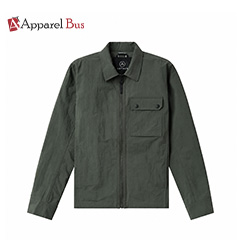
Best for: Smart casual layering, transitional weather | Men and Women
The overshirt sits right between a shirt and a jacket. It looks like a shirt with its collar, button-up front, and chest pockets, but it is worn as a lightweight outer layer rather than a base layer. Overshirts come in flannel, twill, denim, and heavier cotton fabrics that give them more structure than a regular shirt.
They work particularly well in transitional weather, when a full jacket feels too heavy but a single shirt layer is not enough. Wear an overshirt open over a plain T-shirt for a relaxed layered look, or button it up for a slightly more put-together outfit.
Specialty and Workwear Jacket Styles
20- Vest / Sleeveless Jacket
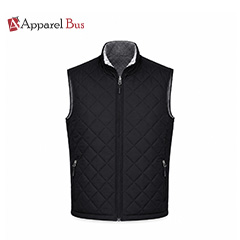
Best for: Layering, outdoor work, fashion | Men and Women
A vest is essentially a sleeveless jacket. It covers the torso without sleeves, making it ideal as a layering piece when you want core warmth without restricting arm movement. Vests come in puffer, fleece, denim, and knit styles.
Outdoor workers and hikers love vests because they keep the core warm while allowing full arm mobility. In fashion, a denim or quilted vest over a long-sleeve shirt creates a clean, layered look.
21- Safety Jacket
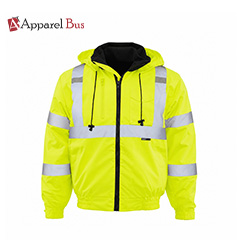
Best for: High-visibility work environments | Men and Women
Safety jackets, also called high-visibility or hi-vis jackets, feature bright neon colors (yellow, orange, or lime green) with reflective strips. Construction workers, traffic controllers, cyclists, and warehouse staff wear them to remain visible in low-light or high-traffic environments.
Many countries have specific safety standards for hi-vis jackets in workplaces. When buying in bulk for a workforce, check the relevant safety certification requirements for your region.
Jacket Types by Weather Condition
|
Weather Condition |
Best Jacket Choice |
Why |
|
Heavy rain |
Rain Jacket |
Sealed seams, fully waterproof membrane |
|
Light rain or drizzle |
Windbreaker or Anorak |
Water-resistant, lightweight |
|
Cold |
Puffer Jacket |
Down or synthetic insulation traps heat |
|
Mild cold |
Fleece Jacket or Quarter-Zip |
Breathable warmth without bulk |
|
Windy but dry |
Windbreaker or Soft Shell |
Blocks wind, allows movement |
|
Spring and Fall transitions |
Denim, Bomber, Trucker, or Varsity |
Light layering, not too warm |
|
High activity outdoors |
Soft Shell Jacket |
Stretch, breathability, free movement |
|
Smart casual or semi-formal |
Peacoat or Harrington |
Polished look with practical warmth |
|
Work or industrial site |
Safety Jacket |
High visibility for safety compliance |
|
Casual layering in any season |
Overshirt or Chore Coat |
Lightweight, versatile, easy to wear |
How to Choose the Right Jacket Style
With so many options available, picking the right jacket comes down to three things: what weather you face, how active you will be while wearing it, and the occasion.
Start with the weather. If you need rain protection, get a rain jacket or windbreaker. If you need warmth, go for a puffer or fleece. If you need both warmth and waterproofing, layer a fleece under a rain jacket or look for a puffer with a waterproof outer shell.
Think about activity level. For high-movement outdoor activities like hiking or trail running, a soft shell gives you the best combination of stretch and weather resistance. For casual daily wear, a denim jacket, bomber, or hooded jacket works perfectly well.
Match it to the occasion. A leather jacket works for a night out or a casual weekend. A peacoat or Harrington jacket is a good choice for smart casual outings. A varsity or overshirt jacket makes a style statement. A safety jacket belongs on the job site.
Check the fit for layering. Jackets you plan to wear over other layers, like fleece or quarter-zip jackets, should fit a little looser to accommodate base layers underneath. Outer statement jackets like bombers or leather jackets can fit more closely to your frame.
Looking to buy jackets in bulk for your team, school, or brand? Browse the full range at ApparelBus Jackets, one of the best sources for quality bulk apparel.
Frequently Asked Questions
Jackets fall into several broad categories: classic and casual styles (leather, bomber, denim, varsity, trucker, Harrington), weather-protective styles (rain jacket, windbreaker, anorak, puffer), active styles (track jacket, soft shell, quarter-zip), insulated styles (fleece, hooded jacket), workwear and heritage styles (military jacket, chore coat, overshirt), and specialty styles (vest, safety jacket, peacoat). This guide covers all of them with their names, features, and best uses.
For cold winters, a puffer jacket is your best option. Down-filled puffers offer the highest warmth-to-weight ratio. If you also need waterproofing, layer a puffer under a rain jacket or look for a puffer with a waterproof shell. A fleece jacket or peacoat works well in mild winters or as a mid-layer.
Length is the main distinction. A jacket typically ends at the hip or waist. A coat extends below the hip, often to the knee or lower. Coats also tend to be heavier and more formal. A peacoat technically falls into coat territory based on length and weight, while a bomber, puffer, or denim piece is a jacket.
A windbreaker resists light wind and drizzle but does not provide full waterproof protection. In sustained rain, a windbreaker will eventually soak through. A rain jacket uses a waterproof membrane and sealed seams to keep you completely dry in heavy rain. If you deal with real wet weather regularly, invest in a proper rain jacket.
An anorak is a pullover outerwear jacket with no front zip or full-length opening. It typically has a half-zip or button placket at the neckline and pulls on over the head. The design originates from the Arctic Inuit people, who originally made them from animal skins for survival in extreme cold. Modern anoraks come in waterproof, wind-resistant, and insulated versions for outdoor use, as well as casual nylon versions popular in streetwear.
A chore coat, also called a work jacket, comes from the French agricultural and workwear tradition. It features a boxy fit, button-up front, chest pockets, and a collarless or stand-up collar design. Originally made from canvas or denim for durability on the job, the chore coat has become a popular casual and smart casual layering piece in modern fashion.
Women have access to the same range of jacket styles as men, often with different silhouette options. Cropped puffer jackets, oversized denim jackets, fitted leather jackets, peacoats, and hooded rain jackets are especially popular for women. Varsity jackets and bomber jackets also work well in oversized or fitted cuts.
The leather jacket, bomber jacket, and denim jacket consistently rank among the most popular jacket styles for men. For colder weather, puffer jackets dominate. For active outdoor use, windbreakers and soft shell jackets are top choices.
A Harrington jacket is a lightweight waist-length jacket with a zip front, raglan sleeves, a stand-up collar, and a tartan lining. It has British sportswear roots from the 1930s and got its popular name from a character in the TV series Peyton Place. Elvis Presley and Steve McQueen wore them in the 1950s and 1960s, which helped make the style iconic.
Yes, a vest is essentially a sleeveless jacket. It covers the torso like a jacket but leaves the arms bare. Puffer vests, fleece vests, and denim vests all fall under the broader jacket and outerwear category.
ApparelBus offers a wide range of jacket and vest styles for bulk purchase, ideal for teams, schools, brands, and businesses. Browse the full catalog at apparelbus.com/jacket-vest.
A soft shell uses a flexible, stretchy fabric that prioritizes comfort and movement. It resists light wind and moisture but does not offer full waterproofing. A hard shell jacket, like a rain jacket, uses a rigid waterproof membrane for full protection against rain and severe weather. Hard shells breathe less but protect more. For high activity in variable weather, many outdoor enthusiasts carry both.
Share this Media
Leave us a comment