
 +1-442-325-3923




 Live Chat







Your shopping cart is currently empty.
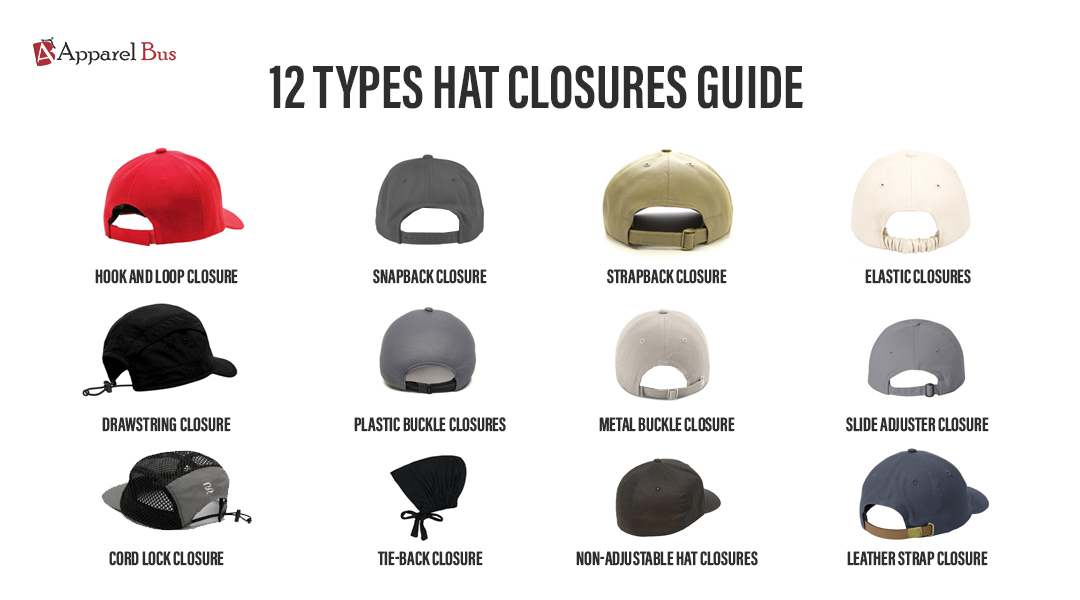
Table of Contents
Share this Media




Published on 04 Feb 2026

By Apparelbus
Types of Hat Closures: A Complete Guide to Fit, Comfort, and Style
When people choose a hat, they often focus on the front design, fabric, or shape. The closure at the back matters just as much. Hat closures control how a hat fits, how comfortable it feels, and how secure it stays during daily wear.
Different closures suit different head sizes, activities, and style preferences. Some allow easy size changes, while others provide a fixed, clean look. This guide explains all major types of hat closures, how they work, and which hat size adjustment methods fit different needs.
You will also learn the history behind popular closures and how to choose the right option for personal wear, retail, or bulk sourcing.
What Is a Hat Closure?
A hat closure is the mechanism at the back of a hat that helps secure it on the head. Closures either allow size adjustment or provide a fixed fit. Over time, different closure styles developed to match changing fashion trends, sports needs, and comfort expectations.
Adjustable Hat Closures
Adjustable closures allow the wearer to easily change the size of a hat for a comfortable and secure fit. They are versatile and convenient, making the hat suitable for a wide range of head sizes.
Common types include snapbacks, strapbacks, hook & loop (Velcro), elastic bands, drawstrings, and cord locks. These closures are popular in sports, casual, and everyday hats because they combine practicality with comfort.
Hook and Loop Closure
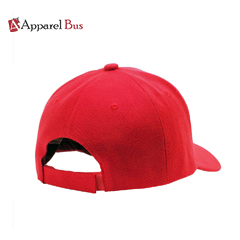
A Hook and Loop Closure uses two fabric strips that attach when pressed together. Many people refer to this closure as Velcro, though Velcro is a brand name.
Hook and loop fasteners were invented in the 1940s and later adapted for clothing and accessories. Hat manufacturers adopted this system for athletic and utility caps due to its ease of use.
This closure became popular in sports and workwear because it allows quick size changes without removing the hat. Wearers can adjust the fit within seconds, even while moving. Over time, repeated use may reduce grip strength, especially if lint builds up.
Best for:
-
Sports caps
-
Promotional hats
-
Workwear headwear
Snapback Closure
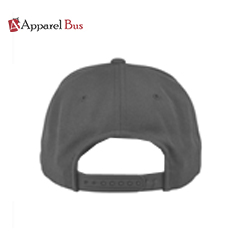
A Snapback Closure uses a plastic strap with evenly spaced holes that snap into place.
Snapbacks rose in popularity with baseball caps and later became a streetwear staple in hip-hop and urban fashion during the late 20th century.
The structured back keeps the hat’s shape intact and allows multiple size options without soft materials wearing out quickly.
Best for:
-
Streetwear caps
-
Logo-heavy designs
-
One-size-fits-most hats
Strapback Closure
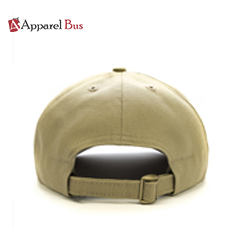
A Strapback Closure uses a fabric, leather, or synthetic strap with a buckle or slider.
This closure provides smooth adjustment without snapping sounds or bulky parts. It offers a more refined appearance and blends easily with minimalist designs. Strapbacks often feel more comfortable for long wear because the strap sits flat against the head.
Best for:
-
Casual and lifestyle hats
-
Fashion-forward designs
-
Everyday wear
Elastic Closures
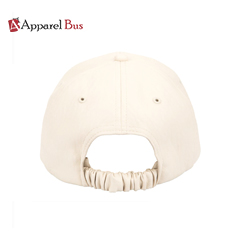
Elastic closures use a stretchable band sewn into the back of the hat. The material expands and contracts to fit different head sizes without visible adjustment parts.
This closure offers strong comfort and even pressure around the head. The hat stays secure during movement, but the elastic can lose tension after extended wear, especially in heat or moisture.
Elastic closures became popular alongside athletic and performance apparel as brands focused on comfort and flexibility.
Best for:
-
Athletic and training caps
-
Comfort-first designs
-
Lightweight headwear
Drawstring Closure
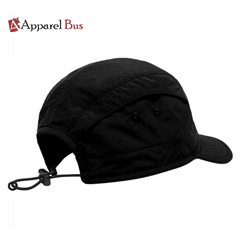
A drawstring closure uses a cord that tightens or loosens through a toggle or knot. The wearer adjusts the cord to control how snug the hat feels. Drawstring systems originated in outdoor apparel and later transitioned into hats designed for active use.
This closure offers a strong hold and precise adjustment. It stays secure during movement and works well for functional headwear, though it focuses more on utility than style.
Best for:
-
Outdoor and hiking hats
-
Utility-focused headwear
Plastic Buckle Closures
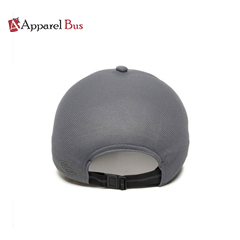
Plastic buckles gained popularity in outdoor gear during the late 20th century and later appeared in functional headwear.
Plastic buckle closures use a clip-style buckle with an adjustable strap. The buckle locks firmly once fastened and does not slip during wear. This closure provides stability and durability, especially during physical activity. Plastic buckles resist moisture and corrosion, making them suitable for outdoor and travel use.
Best for:
-
Outdoor and travel caps
-
Utility-focused designs
Leather Strap Closure
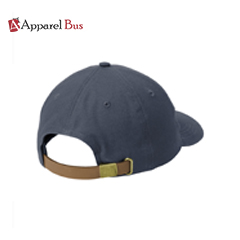
A Leather Strap Closure uses genuine or faux leather paired with a metal buckle.
This closure adds a premium feel and ages well over time. Leather straps often appear on high-end caps and lifestyle headwear. Leather straps trace back to early handcrafted headwear, where durability and style mattered equally.
Best for:
-
Premium hats
-
Fashion brands
-
Lifestyle headwear
Metal Buckle Closure
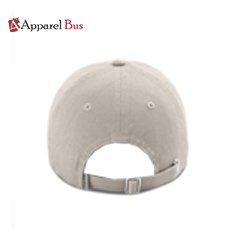
A Metal Buckle Closure uses a fabric strap with a metal fastening system.
This closure provides durability and a polished look. It holds shape well and withstands frequent adjustment better than plastic alternatives.
While metal buckles and slide adjusters are often grouped, metal buckles provide a more secure lock, while slide adjusters prioritize flexibility
Best for:
-
Casual everyday caps
-
Branding-focused hats
-
Long-term use
Slide Adjuster Closure
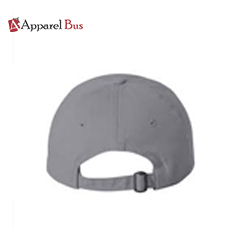
A slide adjuster closure uses a smooth metal or plastic loop that allows the strap to slide back and forth for size adjustment. Unlike snapbacks or buckles, this system provides continuous adjustment instead of fixed points.
The fit feels lightweight and flexible. Because there are no snaps or locking mechanisms, the back of the hat stays clean and low profile. This closure works best for casual wear but may loosen slightly with frequent adjustment.
Slide adjusters evolved from garment and belt hardware used in clothing accessories. Hat manufacturers later adopted this system for minimalist and lightweight headwear.
Best for:
-
Lightweight caps
-
Minimalist designs
-
Travel and casual hats
Cord Lock Closure
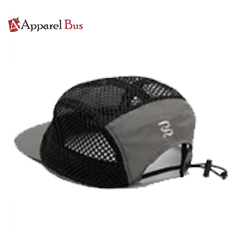
A cord lock closure uses elastic cords combined with a spring-loaded toggle to adjust the fit. The wearer tightens or loosens the cord and locks it in place.
This closure offers a secure fit that stays in position during active movement. It allows fine adjustment and performs well in outdoor conditions, though it appears more functional than stylish.
Cord lock systems originated in outdoor clothing and gear. Headwear brands later adopted them for performance-focused hats.
Best for:
-
Outdoor and adventure hats
-
Running and hiking caps
-
Performance headwear
Tie-Back Closure
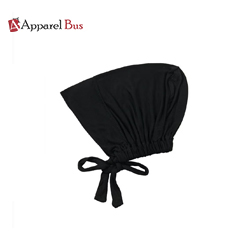
A tie-back closure uses fabric strings that tie together at the back of the hat. This design allows manual adjustment by tightening or loosening the ties.
The fit depends on how securely the strings are tied. While it does not provide rigid support, it offers flexibility and works well with soft, unstructured hats.
Best for:
-
Fashion hats
-
Soft fabric caps
-
Custom or handmade designs
Non-Adjustable Hat Closures
Non-Adjustable Hat Closures
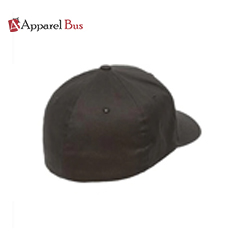
Non-adjustable closures provide a fixed fit, relying entirely on accurate sizing rather than a mechanism for adjustment. These hats sit snugly on the head and offer a clean, polished, and structured look.
Common types include fitted and flexible fitted hats, which are often seen in professional sports, team uniforms, and fashion-forward designs.
Fitted Caps
Fitted Caps are made in specific sizes and do not include any back adjustment. Each cap is designed to match an exact head measurement, which gives it a clean and structured appearance.
Because there is no flexibility in sizing, fitted caps sit closely around the head and feel secure when the size is correct. This style creates a polished and professional look, but it requires accurate sizing to stay comfortable throughout the day.
Fitted caps became widely used in professional baseball and team sports, where a consistent and uniform appearance was important for players.
Best for:
-
Sports teams
-
Uniform and team wear
-
Structured and professional headwear
Flexible Fitted Hats
Flexible Fitted Hats use a fixed design combined with internal stretch bands that allow slight size flexibility. From the outside, the hat looks like a fitted cap, but it offers more comfort.
The stretch material helps the hat adjust to different head shapes while keeping a smooth and clean back profile. This design works well for people who want the fitted look without the pressure of exact sizing.
Flexible fitted hats emerged as brands looked for ways to blend the clean style of fitted caps with improved comfort and wearability.
Best for:
-
Casual everyday wear
-
Athletic and active use
-
Long hours of comfortable wear
How to Choose the Right Hat Closure
Choosing the right closure depends on use, comfort, and style.
-
Adjustable closures work best for retail and shared use
-
Non-adjustable closures suit uniforms and premium designs
-
Active use requires secure systems like buckles or drawstrings
-
Fashion-focused hats benefit from clean, minimal closures
Comparison of Popular Adjustable Hat Closures
|
Closure Type |
Adjustability Level |
Comfort |
Durability |
Style Profile |
Best Use |
|
Hook & Loop (Velcro) |
High |
Medium |
Medium (wears over time) |
Functional |
Sports, workwear, promo hats |
|
Snapback |
Medium (fixed points) |
Medium |
High |
Bold, structured |
Streetwear, branding caps |
|
Strapback |
High |
High |
Medium–High |
Clean, casual |
Lifestyle, everyday wear |
|
Elastic |
Automatic fit |
Very High |
Medium (loses tension) |
Minimal |
Athletic, comfort-first hats |
|
Drawstring |
Precise |
High |
High |
Utility-focused |
Outdoor, bucket hats |
|
Plastic Buckle |
High |
Medium–High |
Very High |
Technical |
Performance, travel hats |
|
Leather Strap |
Medium |
High |
High (with care) |
Premium |
Fashion, lifestyle hats |
|
Metal Buckle |
Medium |
High |
Very High |
Polished |
Casual, long-term wear |
|
Slide Adjuster |
Continuous |
High |
Medium |
Minimal |
Lightweight, casual hats |
|
Cord Lock |
Precise |
High |
High |
Functional |
Outdoor, running hats |
|
Tie-Back |
Manual |
Medium |
Medium |
Soft, handmade |
Fashion, custom hats |
Hat Closures for Wholesale Buyers
When sourcing hats in bulk, the type of closure can significantly impact your inventory management, customer satisfaction, and return rates. Choosing the right closure helps you balance sizing flexibility, style, and cost-effectiveness.
Key considerations for wholesale buyers:
-
Adjustable closures (snapback, strapback, hook & loop, elastic) are ideal for one-size-fits-most hats. They reduce size-related returns and simplify inventory since you don’t need to stock multiple sizes.
-
Non-adjustable closures (fitted and flexible fitted) provide a premium, polished look but require careful sizing. These work well for team uniforms, branded merchandise, or high-end fashion caps.
-
Activity-focused closures like cord locks, drawstrings, or plastic buckles suit sports, outdoor, or performance hats. They offer secure fit and durability, which increases end-user satisfaction.
-
Style and brand positioning: Leather or metal buckle closures add a high-end feel, while elastic or hook & loop closures prioritize comfort and practicality. Choosing closures that match your target market improves repeat business.
-
Inventory efficiency: Adjustable hats allow you to stock fewer SKUs, while fixed-size hats require precise planning to avoid overstock or understock of certain sizes.
By understanding the pros and cons of each closure type, wholesale buyers can optimize their hat selections for both retail and bulk distribution, ensuring customers get a comfortable fit and stylish product every time.
For a full breakdown of hats, see our Types of Hats guide, which covers materials, fit, and style trends in detail.
Wholesale Buyer Snapshot
|
Closure Type |
Sizing Flexibility |
Inventory Advantage |
Target Market / Best Use |
Resale Potential |
|
Hook & Loop (Velcro) |
High |
Stock fewer sizes |
Sports, workwear, promos |
Moderate – practical, not premium |
|
Snapback |
Medium (fixed points) |
One-size-fits-most |
Streetwear, branded caps |
High – trendy and versatile |
|
Strapback |
High |
Fewer SKUs |
Casual lifestyle, everyday wear |
High – stylish and adjustable |
|
Elastic |
Automatic fit |
Easy to stock |
Athletic and comfort-first |
Moderate – practical, comfort-focused |
|
Drawstring |
High |
Niche use |
Outdoor, hiking, bucket hats |
Moderate – functional and active |
|
Plastic Buckle |
Medium–High |
Simple SKU management |
Performance, travel |
High – durable and functional |
|
Leather Strap |
Medium |
Limited SKUs |
Fashion, premium lifestyle |
Very High – premium appeal |
|
Metal Buckle |
Medium |
Limited SKUs |
Casual, polished hats |
High – durable and stylish |
|
Slide Adjuster |
Continuous |
Easy to adjust |
Minimalist, lightweight |
Moderate – clean design |
|
Cord Lock |
High |
Niche/performance |
Outdoor, running, adventure |
Moderate – functional and secure |
|
Tie-Back |
Manual |
Niche/custom |
Fashion, handmade, soft hats |
Moderate – artisanal appeal |
|
Fitted |
None |
Requires multiple sizes |
Team wear, professional |
High – premium, uniform look |
|
Flexible Fitted |
Slight |
Fewer sizes than fitted |
Everyday, athletic |
High – comfort + premium look |
Frequently Asked Questions
Cap closures include hook and loop, snapback, strapback, elastic, drawstring, plastic buckle, fitted, and flexible fitted styles.
A hook-and-loop hat closure uses fabric strips that attach together to adjust the hat size easily.
A snap closure uses plastic snaps that lock into holes on an adjustable strap.
Snapbacks use plastic snaps, while strapbacks use a fabric or leather strap with a buckle or slider.
Fitted hats offer a precise fit, while adjustable hats provide flexibility. The better option depends on comfort and use.
Share this Media
Leave us a comment