
 +1-442-325-3923




 Live Chat







Your shopping cart is currently empty.
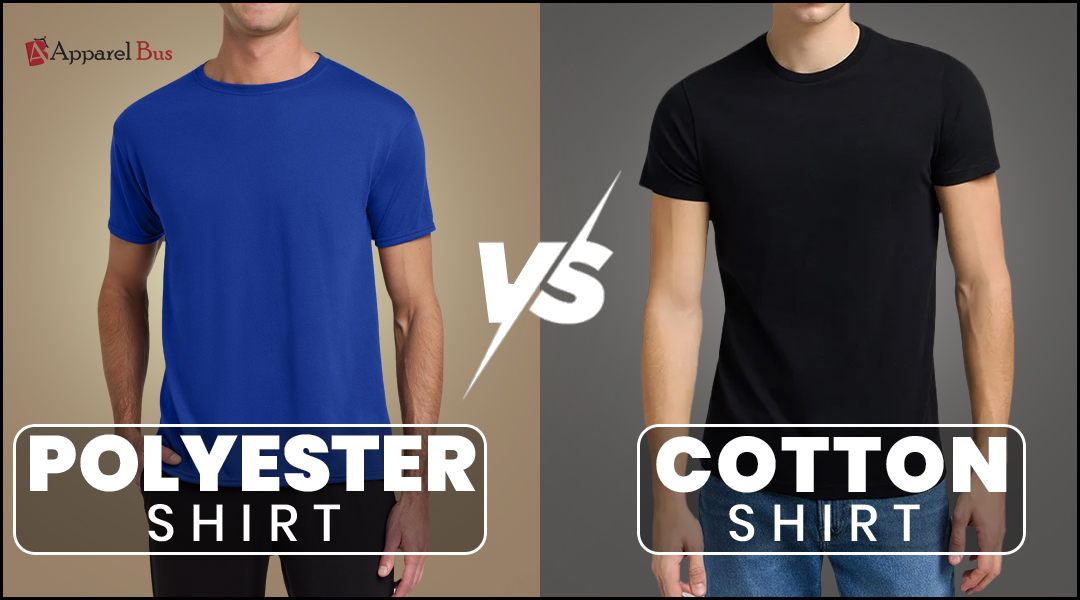
Table of Contents
- What are Cotton Shirts?
- When to Pick Cotton Shirts:
- What are Polyester Shirts?
- When to Pick Polyester Shirts:
- Cotton-Polyester Blend T-Shirts
- Difference Between Polyester vs Cotton
- Feel and Texture
- Breathability
- Moisture Management
- Durability
- Wrinkle Resistance
- Odor Retention
- Cost
- Eco-Friendliness
- When to Choose Which Fabric?
- Conclusion
Share this Media




Published on 26 Mar 2026

By Apparelbus
Polyester Vs Cotton Shirts: Which One Should You Choose?
Choosing a shirt might seem simple, but when you look at the tag, you often see "cotton" or "polyester." What's the difference, and which one is right for you? Both fabrics are popular for good reasons, but they have their special qualities. This guide will help you understand cotton and polyester shirts better, so you can pick the perfect one for your needs.
What are Cotton Shirts?
Cotton is a natural fiber that comes from the cotton plant. It's one of the oldest and most widely used fabrics in the world, and people love it for its soft feel.
Things to Keep in Mind About Cotton:
- If you don't wash it carefully, cotton can sometimes shrink.
- Cotton shirts tend to wrinkle a lot, so you might need to iron them often.
- It takes a while for cotton to dry once it gets wet, which isn't ideal if you're sweating a lot or in a humid place.
Why Do People Love Cotton Shirts?
- Cotton feels gentle and soft against your skin, making it great for everyday wear.
- It allows air to pass through easily, which helps keep you cool, especially in warm weather.
- It's less likely to cause skin irritation or allergies compared to some other fabrics.
- Cotton holds dyes nicely, so cotton shirts often come in bright, lasting colors.
When to Pick Cotton Shirts:
Cotton shirts are best for your daily outfits, relaxing at home, or if you have skin that gets easily irritated. They're perfect for that classic, comfy feel. If you're looking for great cotton options, check out popular choices like the Bella + Canvas 3001 and Next Level 3600 for their softness and good fit.
For more affordable but still reliable cotton shirts, consider the Port & Company PC54, PC61, Gildan 5000, G500, and Gildan G200. The Hanes 5280 is a versatile pick, and the Comfort Colors 1717 is famous for its unique softness.
Looking for the ultimate soft tee? Check out our 100% Cotton T-shirts today!
What are Polyester Shirts?
Polyester is a man-made fabric, created from oil. It's known for being very strong and good at wicking sweat away from your body.
Things to Keep in Mind About Polyester:
- It might feel a bit less airy than cotton, especially if it's a thick polyester fabric.
- Sometimes, polyester can trap body odors more easily than cotton, though many modern polyester shirts have special treatments to prevent this.
- It can feel a bit less natural or smooth compared to cotton.
- While it wicks sweat away, it doesn't soak it up like cotton, so it can feel a bit damp if you're drenched.
Why Do People Love Polyester Shirts?
- Polyester shirts are tough. They resist stretching, shrinking, and wrinkles, so they keep their shape well.
- Polyester pulls sweat from your skin to the outside of the fabric, helping you stay dry and comfortable during activities.
- Because it doesn't hold much water, polyester dries quickly, which is great for sports or rainy days.
- Your polyester shirts will likely keep their color and size even after many washes.
- You won't need to iron polyester shirts as often as cotton ones.
When to Pick Polyester Shirts:
Polyester shirts are your go-to for sports, working out, hiking, or any outdoor activity where you'll sweat. They're also great for uniforms or jobs that require a tough, wrinkle-resistant shirt. If you're looking for top polyester options, consider the Jerzees 21M, known for its excellent moisture-wicking.
Other athletic favorites include the ST350 and G420. For sports teams and active people, the A4N3142 and Badger 4120 are fantastic choices. If you want a good mix of comfort and performance in polyester, check out the Team 365 TT11 and Next Level 6200.
Want to see more? Explore our range of 100% polyester T-shirts, available in a variety of colors and sizes.
Cotton-Polyester Blend T-Shirts
You might also find shirts that are a mix of cotton and polyester. These cotton-polyester blend t-shirts try to give you the best qualities of both fabrics. You get some of the softness and comfort of cotton, combined with the strength, quick-drying, and wrinkle-resistant features of polyester. These blends are often a great choice for everyday shirts that need to be comfortable but also hold up well.
Difference Between Polyester vs Cotton
Here's a simple look at how cotton and polyester stack up:
| Feature | Cotton | Polyester | Cotton-Polyester Blend |
| Feel | Soft, natural | Smooth, synthetic | Soft, slightly smooth |
| Breathability | High | Low to Moderate | Moderate to High |
| Moisture Mgmt. | Absorbs sweat, dries slowly | Wicks sweat, dries quickly | Balances absorption & wicking |
| Durability | Okay, can shrink | Very strong, resists wear & tear | Strong |
| Wrinkle Resist | Wrinkles easily | Doesn't wrinkle much | Doesn't wrinkle much |
| Odor Retention | Less likely to hold smells | Can hold smells (but often treated) | Less likely to hold smells |
| Cost | Usually, affordable | Can be similar or a bit more | Similar to polyester |
| Eco-Friendly | Natural, can be biodegradable | Man-made, from oil | Mix |
Feel and Texture
Cotton:
Cotton is renowned for its soft, natural feel, making it very comfortable against the skin. Its natural fibers provide a gentle and breathable texture that is highly favored for casual and everyday wear.
Polyester:
Polyester has a smooth and synthetic texture. It feels slicker and less natural compared to cotton, but offers a sleek finish preferred in athletic and performance wear.
Blend:
The blend combines the best of both fabrics, offering a soft feel like cotton with a slightly smoother surface due to polyester, creating a balanced and versatile texture.
Breathability
Cotton:
Cotton is highly breathable because its natural fibers allow air to circulate freely, keeping the wearer cool and comfortable, especially in warm weather.
Polyester:
Polyester has low to moderate breathability. Its synthetic fibers restrict airflow more than cotton, which can sometimes cause discomfort in hot or humid conditions.
Blend:
The blend fabric offers moderate breathability, better than pure polyester but not quite as 100% cotton, making it a good compromise.
Moisture Management
Cotton:
Cotton absorbs sweat effectively, helping to keep the skin dry initially, but it dries slowly, which can leave a damp feeling during extended wear.
Polyester:
Polyester excels at wicking sweat away from the skin and drying quickly, making it ideal for activewear and sports.
Blend:
The blend offers balanced moisture management, combining cotton’s absorbency with polyester’s quick-drying capabilities for versatile use.
Durability
Cotton:
Cotton has moderate durability but is prone to shrinking and wearing out faster, especially if not properly cared for.
Polyester:
Polyester is very strong and resistant to wear and tear, maintaining its shape and quality over time.
Blend:
The blend fabric is generally strong and durable, benefiting from polyester’s resilience while retaining some of cotton’s comfort.
Wrinkle Resistance
Cotton:
Cotton wrinkles easily due to its natural fibers, often requiring ironing or steaming.
Polyester:
Polyester is highly resistant to wrinkles, making it low-maintenance and convenient.
Blend:
The blend inherits polyester’s wrinkle resistance, resulting in a fabric that does not wrinkle much and is easy to care for.
Odor Retention
Cotton:
Cotton is less likely to retain odors because it allows better air circulation and does not trap sweat as much.
Polyester:
Polyester can sometimes hold odors, especially after intense activity, although many polyester fabrics are treated to reduce this.
Blend:
The blend fabric is less likely to hold odors than pure polyester, benefiting from cotton’s natural breathability.
Cost
Cotton:
Cotton is generally affordable and widely available, making it a cost-effective option.
Polyester:
Polyester tends to be similarly priced or slightly more expensive than cotton, depending on quality.
Blend:
The blend is usually priced similarly or slightly above cotton, offering good value by combining features of both fibers.
Eco-Friendliness
Cotton:
Cotton is a natural fiber and potentially biodegradable, especially when organically grown, making it more eco-friendly.
Polyester:
Polyester is a man-made fabric derived from petroleum, making it less sustainable and slower to decompose.
Blend:
The blend inherits some environmental drawbacks of polyester but still contains natural cotton fibers, making its eco-friendliness moderate compared to pure polyester.
When to Choose Which Fabric?
To make it simple:
Choose Cotton if:
- You want a shirt for everyday comfort and breathability.
- Your skin is sensitive.
- You prefer clothes made from natural materials.
- You like a classic, soft feel.
Choose Polyester if:
- You need a shirt for sports, workouts, or outdoor adventures.
- You want something that dries fast and pulls sweat away.
- You need a tough, wrinkle-free shirt for work or active use.
- You're interested in printing designs using a method called sublimation.
Conclusion
Polyester vs cotton, which one is better? There is not one perfect answer. To be honest, it depends on your needs with the shirt and what you want. When ease of daily wear or comfort and breathability are given most consideration, cotton is a superb choice. If you need something that lasts longer, dries faster, and is easy to wear, polyester is your go-to choice. Many people also find a cotton-polyester blend to be just right.
Consider how you will wear the shirt, how you want it to fit, and how long it must last. This guide will assist you in selecting the ideal fabric for your favorite shirt!
Ready to get your next shirt? Visit our entire collection of Wholesale T-shirts to get your ideal shirt.
Share this Media
Leave us a comment