
 +1-442-325-3923


 Live Chat









Your shopping cart is currently empty.
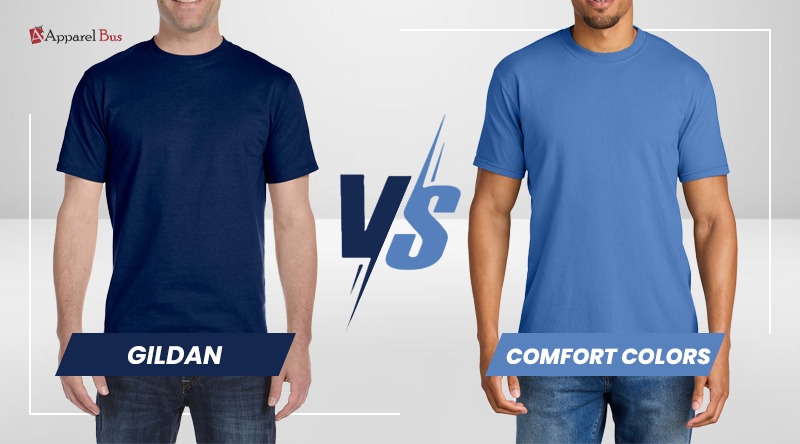
Table of Contents
- Are Comfort Colors and Gildan the Same Company?
- Comfort Colors vs Gildan T-Shirts: Key Differences
- Fabric Comparison
- Which Brand Uses Higher Quality Cotton?
- Printing Performance: Comfort Colors vs Gildan
- Which Brand Is Better for Printing?
- Gildan vs Comfort Colors Sizing
- Sizing Comparison
- Comfort Colors vs Gildan Price Comparison
- Shrinkage and Durability
- Which Brand Has More Style Variations?
- Top 5 Best-Selling Products from Gildan
- Top 5 Best-Selling Products from Comfort Colors
- Comfort Colors or Gildan: Which Is Better?
- Final Verdict
Share this Media




Published on 16 Mar 2026

By Apparelbus
Comfort Colors vs Gildan T-Shirts: Which Brand Should You Choose?
Every year, thousands of businesses, print shops, and clothing brands face the same question: Comfort Colors or Gildan? Both brands dominate the wholesale blank apparel market, and choosing the wrong one can cost you money, hurt your print quality, or leave your customers underwhelmed.
Comfort Colors and Gildan are two of the most recognized names in blank apparel. You will find them across casual clothing lines, custom printing shops, promotional merchandise campaigns, and retail clothing brands. They both offer solid quality at competitive prices, but they serve very different needs.
Let’s break down everything you need to know, including fabric quality, printing compatibility, sizing and fit, price differences, product variety, and best-selling styles, so you can make the right call for your business or personal wardrobe.
Are Comfort Colors and Gildan the Same Company?
Yes, Comfort Colors and Gildan are connected, but they operate as separate product lines with distinct identities. Understanding their relationship helps explain why they feel and perform so differently.
History of Gildan
Gildan was founded in Canada in 1984 and grew into one of the largest blank apparel manufacturers in the world. The company built its reputation on affordable, consistent wholesale clothing. Today, Gildan operates large-scale manufacturing facilities across Central America, Bangladesh, and other regions, which allows the brand to keep prices low while producing massive volumes. Gildan supplies blank apparel to screen printers, promotional product companies, and retailers worldwide.
History of Comfort Colors
Comfort Colors is a US-based brand that made its name with garment-dyed apparel. The brand became famous for its soft, lived-in feel and vintage-inspired color palette. Unlike mass-produced basics, Comfort Colors built a following among consumers who wanted something that looked and felt broken-in right out of the bag. The brand positioned itself as a premium casual option and gained strong traction in college markets, resort towns, and fashion-forward retail.
Gildan Acquired Comfort Colors in 2015
Gildan acquired Comfort Colors in 2015. Despite the acquisition, Comfort Colors continues to operate as its own separate product line with its own manufacturing process, fabric standards, and brand identity. Gildan did not fold Comfort Colors into its standard lineup. The two brands coexist under the same corporate parent but target very different buyers.
They share the same parent company but have completely different fabric feel, pricing structures, and target audiences. Buying Comfort Colors is not the same as buying Gildan.
Comfort Colors vs Gildan T-Shirts: Key Differences
Here is a side-by-side snapshot of how the two brands compare across the most important factors.
|
Feature |
Comfort Colors |
Gildan |
|
Fabric Feel |
Soft, vintage wash texture |
Smooth, consistent cotton |
|
Dye Process |
Garment dyed after assembly |
Standard piece dyed |
|
Fit |
Relaxed, slightly oversized |
Classic, structured fit |
|
Price per Unit |
Higher (approx. $5–$9) |
Budget-friendly (approx. $2–$5) |
|
Target Buyers |
Fashion brands, retail boutiques |
Bulk buyers, print shops |
Fabric Comparison
What Fabric Is Used in Comfort Colors?
Comfort Colors shirts are made from 100% ring-spun cotton. Ring-spun cotton is made by continuously twisting and thinning the cotton fibers into a strong, fine yarn. This process produces a smoother, softer fabric than standard open-end spun cotton.
What sets Comfort Colors apart is the garment-dye process. Rather than dyeing the fabric before cutting and sewing, Comfort Colors first assembles the shirt, then dyes the entire finished garment. This technique gives each shirt a slightly uneven, naturally faded look. It also makes the fabric softer from the start. The shirts arrive with a pre-washed, worn-in feel that gets even better after a few washes.
Comfort Colors shirts typically weigh around 6.1 oz per square yard, which puts them on the heavier end of the t-shirt spectrum. The thicker fabric gives them a more substantial feel and contributes to their durability over time.
What Fabric Is Used in Gildan?
Gildan offers a wide range of fabrics depending on the product line you choose. The main options include:
• 100% ultra cotton: heavier, classic feel, used in the popular 2000 Ultra Cotton line
• 100% ring-spun cotton: softer option, used in premium lines like the Softstyle 64000
• Cotton/polyester blends: used in performance and DryBlend styles for moisture management
• Tri-blends: cotton, polyester, and rayon mix for a softer, more vintage-inspired feel
Gildan fabric weights vary by style. The Heavy Cotton line runs around 5.3 oz, the Softstyle runs around 4.5 oz, and the Ultra Cotton runs about 6.0 oz. This range gives buyers flexibility depending on the application.
Which Brand Uses Higher Quality Cotton?
Comfort Colors uses higher-quality ring-spun cotton as a baseline across its entire lineup, paired with a garment-dye process that adds softness and texture. The result is a shirt that feels premium right out of the package.
Gildan covers a wider spectrum. Budget-friendly options like the Heavy Cotton 5000 use standard cotton that is solid but not as soft. Premium lines like the Softstyle 64000 come closer to the Comfort Colors experience with ring-spun cotton at a lower price point.
Comfort Colors wins on consistent softness and fabric quality. Gildan wins on range and affordability. If softness is the priority, go with Comfort Colors. If you need flexibility across budgets and fabric types, Gildan gives you more options.
Printing Performance: Comfort Colors vs Gildan
One of the most common reasons people compare Comfort Colors vs Gildan is to figure out which brand works better for custom printing. Both brands support all major printing methods, but fabric texture and dyeing process affect the results in different ways.
Screen Printing
Gildan is the go-to choice for bulk screen printing. The smooth, consistent cotton surface accepts ink evenly, and the predictable fabric construction makes it easy to run large print runs without adjusting setups. Print shops love Gildan for production efficiency.
Comfort Colors works well for screen printing, too, but the garment-dyed surface is slightly more textured and uneven. Printers sometimes need to adjust ink opacity to achieve consistent coverage. The vintage base colors also influence how printed colors appear on the final shirt.
DTG Printing
DTG (direct-to-garment) printing works well on both brands, but Gildan is the more consistent choice for print-on-demand businesses. The smooth, pre-treated cotton surface absorbs DTG inks efficiently with minimal preparation.
Comfort Colors can work with DTG printing, but typically requires extra pre-treatment to get strong, vivid results. The vintage dye process means base colors are not always bright white or pure, which can reduce the vibrancy of printed designs.
Heat Transfer and DTF Printing
Both Comfort Colors and Gildan support DTF (direct-to-film) printing, heat transfer vinyl, and sublimation. Note that sublimation works best on polyester-blend fabrics, so it is most effective on Gildan's poly-blend styles rather than the 100% cotton options from either brand.
Which Brand Is Better for Printing?
|
Printing Method |
Better Choice |
Reason |
|
Screen Printing |
Gildan |
Smooth surface, consistent results at scale |
|
DTG Printing |
Gildan |
Less pre-treatment needed, predictable output |
|
Vintage Retail Prints |
Comfort Colors |
Texture adds to the aged, authentic aesthetic |
|
Fashion Retail Brands |
Comfort Colors |
Premium base product elevates perceived value |
Gildan vs Comfort Colors Sizing
Sizing is one of the most noticeable differences between these two brands. Getting the fit right matters whether you are ordering for retail, custom printing, or personal wear.
Comfort Colors Fit
Comfort Colors shirts run with a relaxed fit that feels slightly oversized compared to standard t-shirts. The thicker, heavier cotton adds to the boxy, lived-in silhouette that the brand is known for. If you wear a medium in most shirts, you may prefer a small in Comfort Colors if you want a slimmer look, or stay with a medium if you like the relaxed feel.
View Comfort Colors Size Chart
Gildan Fit
Gildan shirts follow a classic fit with structured, consistent sizing. The measurements are predictable across production runs, which makes Gildan reliable for bulk orders where fit consistency is critical. Gildan sizing aligns closely with standard t-shirt sizing expectations.
Sizing Comparison
|
Fit Feature |
Comfort Colors |
Gildan |
|
Fit Style |
Relaxed, slightly boxy |
Classic, structured |
|
Fabric Weight |
Heavy (approx. 6.1 oz) |
Medium (varies by style, 4.5–6.0 oz) |
|
Shrinkage |
Minimal (pre-washed) |
Depends on fabric type and wash method |
|
Size Consistency |
Slightly variable |
Highly consistent across batches |
Comfort Colors vs Gildan Price Comparison
Price is one of the biggest factors separating these two brands, and understanding why the difference exists helps you decide which one fits your budget and business model.
Comfort Colors costs more because of the garment-dye process, heavier ring-spun cotton fabric, and the premium positioning of the brand. Each shirt goes through extra production steps that standard basics skip. That higher cost translates into a shirt that commands a higher retail price and appeals to customers willing to pay more for a better-feeling product.
Gildan keeps prices low through mass production at scale, standardized manufacturing processes, and efficient supply chains. The brand sacrifices some softness and premium appeal in exchange for accessibility and volume pricing.
|
Product |
Approx. Wholesale Price |
Best For |
|
$5.00 – $9.00 per shirt |
Premium retail, fashion brands |
|
|
$2.00 – $4.00 per shirt |
Bulk orders, screen printing |
|
|
$2.50 – $5.00 per shirt |
Budget retail, promotions |
|
|
$6.00 – $10.00 per shirt |
Casual retail, boutiques |
|
|
$8.00 – $14.00 per unit |
Bulk hoodies, events |
Note: Prices vary by color, size, and order quantity. Always check the current wholesale pricing at your supplier for accurate figures.
Shrinkage and Durability
How a shirt holds up after repeated washing is just as important as how it looks on day one.
Comfort Colors
Comfort Colors shirts go through a pre-wash process as part of the garment-dye technique. This pre-washing shrinks the fabric before it reaches you, which means the shirt experiences minimal additional shrinkage after purchase. The heavier ring-spun cotton also holds its shape well over many wash cycles. Comfort Colors shirts tend to maintain their feel and color for a long time when washed in cold water.
Gildan
Gildan cotton shirts can shrink slightly, especially on the first few washes. The 100% cotton options, like the Heavy Cotton 5000, are more prone to shrinkage than the blended styles. Gildan's cotton/polyester blends shrink less because polyester does not contract the way natural cotton does. Durability across Gildan's lineup is solid for the price point, though the fabric does not feel as premium after extended washing as Comfort Colors.
Which Brand Has More Style Variations?
Gildan has a significantly larger product catalog. The brand covers almost every blank apparel category, including t-shirts, hoodies, crewneck sweatshirts, zip-up hoodies, performance shirts, tank tops, youth apparel, and activewear. If you need a complete wholesale wardrobe from a single brand, Gildan can likely fill every slot.
Comfort Colors focuses primarily on garment-dyed cotton apparel. The catalog is smaller but highly curated. The brand specializes in what it does well: soft, vintage-feel cotton basics with a distinctive color palette. If your business centers on that specific aesthetic, Comfort Colors has exactly what you need.
Top 5 Best-Selling Products from Gildan
1. Gildan 5000 Heavy Cotton T-Shirt
The Gildan 5000 is one of the best-selling blank t-shirts in the world. It uses 100% preshrunk cotton at 5.3 oz and comes in over 60 colors. The fabric is smooth and consistent, making it a top pick for screen printing and promotional merchandise. It offers excellent value for bulk buyers.
2. Gildan 18500 Heavy Blend Hoodie
The Gildan 18500 is a 50/50 cotton-polyester blend hoodie that weighs 8.0 oz. It has a double-lined hood, a front pouch pocket, and ribbed cuffs and waistband. It is the most widely used blank hoodie for custom printing and is available in a huge range of colors and sizes.
3. Gildan 64000 Softstyle T-Shirt
The Softstyle 64000 uses ring-spun cotton at 4.5 oz for a noticeably softer feel than the standard Heavy Cotton. It has a semi-fitted cut and taped neck and shoulders. This is Gildan's premium everyday tee and works well for retail-quality custom apparel at a budget price.
4. Gildan 8000 DryBlend Performance T-Shirt
The DryBlend 8000 is a 50/50 cotton-polyester blend that uses moisture-wicking technology to keep wearers dry. It weighs 4.7 oz and is designed for athletic and outdoor use. It supports sublimation printing and is popular for sports teams, events, and activewear brands.
5. Gildan 18000 Heavy Blend Crewneck Sweatshirt
The 18000 crewneck is an 8.0 oz fleece sweatshirt in a 50/50 cotton-polyester blend. It has a double-needle stitched collar and a quarter-turned body to eliminate the center crease. A reliable choice for bulk custom sweatshirt orders.
Top 5 Best-Selling Products from Comfort Colors
Available Available Available Available Available 

up to size
3XL$53.3 $30.28 6 colors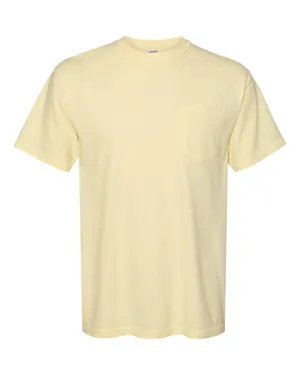
up to size
3XL$14.02 $7.9762 colors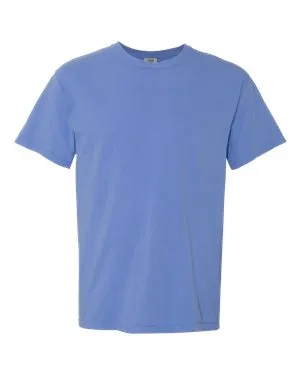
up to size
4XL$12.96 $6.8171 colors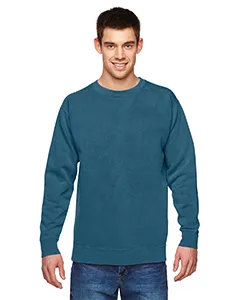
up to size
3XL$39.58 $18.8219 colors
up to size
3XL$16.38 $9.3110 colors
1. Comfort Colors 1717 Garment-Dyed Heavyweight T-Shirt
The 1717 is the flagship product from Comfort Colors and one of the most popular premium blank t-shirts on the market. It uses 100% ring-spun cotton at 6.1 oz with the brand's signature garment-dye process. It comes in over 60 faded, earthy colors and has a relaxed fit with a slightly boxy silhouette. This is the shirt that built the Comfort Colors brand.
2. Comfort Colors 6030 Pocket T-Shirt
The 6030 is the same quality as the 1717, with the addition of a left chest pocket. The garment-dyed pocket tee has become a staple in casual and resort wear. It works well for boutique retailers and lifestyle brands looking for a laid-back, effortless look.
3. Comfort Colors 1566 Crewneck Sweatshirt
The 1566 is a garment-dyed crewneck sweatshirt made from an 80/20 ring-spun cotton and polyester blend. It features a relaxed fit and a soft-washed finish that gives it the lived-in feel typical of the Comfort Colors lineup. This style is popular for casual retail collections, college apparel, and custom branding thanks to its vintage look and durable fleece fabric.
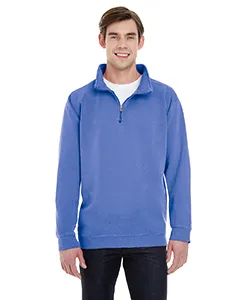
4. Comfort Colors 1580 Quarter-Zip Sweatshirt
The 1580 is a garment-dyed quarter-zip sweatshirt in a cotton-polyester fleece blend. It brings the Comfort Colors vintage aesthetic to outerwear with a soft interior and the distinctive faded color palette the brand is known for. A strong choice for fall and winter retail collections.
5. Comfort Colors 1745 Color Blast T-Shirt
The 1745 Color Blast is a tie-dye style shirt that uses a reactive dye process to create bold, multi-color patterns. Each shirt has a unique look, making it ideal for brands that want to offer one-of-a-kind pieces. It uses 100% ring-spun cotton at 6.1 oz.
Comfort Colors or Gildan: Which Is Better?
The honest answer is that neither brand is universally better. The right choice depends entirely on what you are using the shirts for.
|
Your Goal |
Best Brand |
Why |
|
Budget bulk orders |
Gildan |
Lower cost per unit, ideal for large quantities |
|
Custom screen printing |
Gildan |
Smooth surface, consistent results |
|
Premium casual shirts |
Comfort Colors |
Softer feel, better retail appeal |
|
Vintage fashion style |
Comfort Colors |
Garment-dye creates an authentic aged look |
|
Print-on-demand |
Gildan |
Widely compatible, cost-effective |
|
Boutique or lifestyle brand |
Comfort Colors |
Higher perceived value, unique textures |
Final Verdict
Comfort Colors is the right choice if you want softer fabric, a vintage aesthetic, and a premium product that justifies a higher retail price. The garment-dye process and heavyweight ring-spun cotton give Comfort Colors shirts a character that standard blanks cannot replicate. If your brand leans toward casual, fashion-forward, or lifestyle-oriented clothing, Comfort Colors will serve you well.
Gildan is the right choice if you need reliable, affordable blanks in large quantities. Whether you run a print shop, a promotional merchandise business, or you just need consistent t-shirts without breaking the bank, Gildan delivers. The wide product catalog and competitive pricing make it the default choice for most bulk buyers.
Both brands have earned their place in the blank apparel market. Know your customer, know your budget, and you will know which brand fits your needs.
Frequently Asked Questions
Comfort Colors shirts are better in terms of fabric softness and vintage style. Gildan shirts are better for budget-conscious bulk buyers and custom printing at scale. Better depends on your priorities, not on an absolute quality ranking.
Comfort Colors shirts are popular because of their garment-dye process, which gives them a soft, pre-washed feel and a distinctive faded color palette that looks and feels worn-in right out of the bag. The brand resonates strongly with college markets, resort wear buyers, and fashion-forward retail brands that want something with more character than a standard blank.
Comfort Colors shirts experience very little shrinkage because they go through a pre-wash process during the garment-dyeing stage. Most of the shrinkage happens before the shirt reaches you. Washing in cold water and air drying will keep the shirt looking its best over time.
Gildan has more style variations by a significant margin. The Gildan catalog includes t-shirts, hoodies, sweatshirts, performance shirts, tank tops, youth styles, and activewear across dozens of fabric options. Comfort Colors focuses primarily on garment-dyed cotton basics with a smaller but curated product range.
For high-volume custom printing, most businesses prefer Gildan because of the lower price per unit and consistent printing surface. For premium retail brands and fashion-forward custom apparel, Comfort Colors is the preferred choice. Many custom t-shirt businesses carry both brands to serve different customer segments and price points.
Share this Media
Leave us a comment